

The holiday shopping season is supposed to be about gifts, not getting scammed. If you landed on Christmaspresale.com after seeing a “too good to be true” Christmas clearance or pre-sale, you are right to ask: “Christmaspresale.com – Is It Safe?” Many fake holiday shops are specifically designed to harvest payment card data, steal personal information, and even deliver malware to unsuspecting buyers. Read this article to find out what Christmaspresale.com really is, how you may have ended up on it, what risks it poses, and what you should do immediately if you interacted with it.
Below you will find a structured technical analysis that explains why this site is considered dangerous, how such scam shops operate in general, and why security researchers repeatedly warn about holiday-themed fake web stores that are built solely to empty your wallet and expose you to further cyber-attacks.
Short Overview
| Type | Browser Hijacker, Redirect, PUA |
| Short Description | A suspicious website and rogue search engine that hijacks your browsers and causes redirects. |
| Symptoms | Unwanted pop-ups may start appearing while you are browsing the web. A browser hijacker may be downloaded without your knowledge. |
| Removal Time | Approximately 15 minutes for a full-system scan |
| Removal Tool |
See If Your System Has Been Affected by malware
Download
Malware Removal Tool
|
What is Christmaspresale.com?
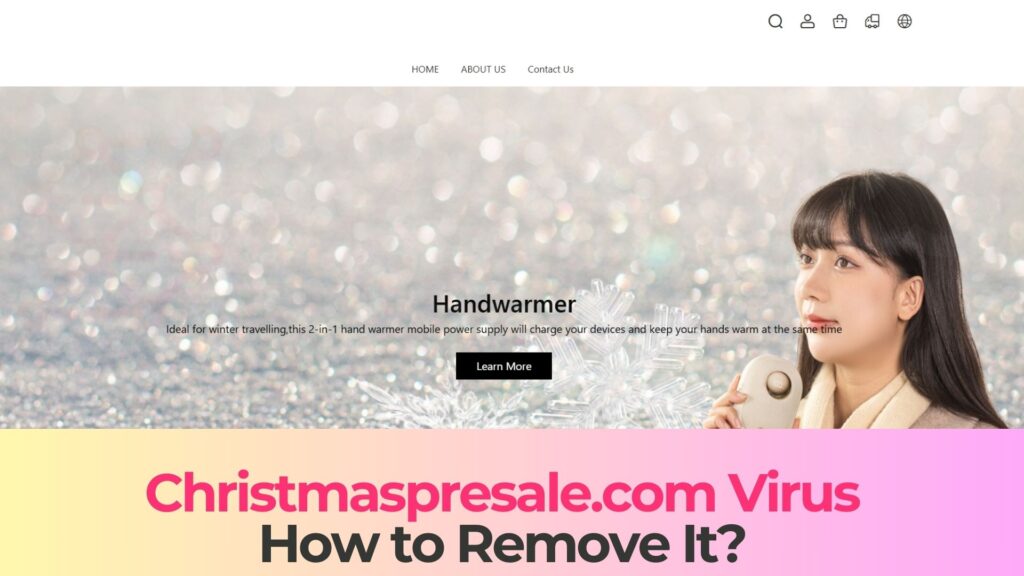
Christmaspresale.com is a suspicious online shopping website that presents itself as a legitimate Christmas sale or clearance store, but exhibits multiple characteristics typically associated with fraudulent e-commerce sites. The domain has a very low trust profile based on factors such as very recent domain registration, lack of transparent company information, and risky payment practices.
Christmaspresale.com – Is It a Legit Shopping Site or a Scam?
Legitimate online shops, even newer ones, generally follow established good practices: they clearly identify the legal entity behind the store, provide verifiable contact details, use well-known payment processors, and have a consistent brand presence and customer feedback across multiple channels.
In contrast, Christmaspresale.com shows classic scam indicators that are also seen across hundreds of other fake holiday shops:
- Unrealistic discounts and “flash sale” pressure – products supposedly offered at 70–90% off, often branded or high-demand items, with countdown timers to rush the buyer.
- Very young domain age – the site appears around a seasonal event (Christmas, Black Friday, year-end sales) and is likely to disappear afterwards once enough victims have been harvested.
- Opaque ownership – no proper company name, tax ID, physical address, or legally required contact information, or details that fail verification.
- Limited or suspicious payment methods – often card-only or unconventional methods, without reputable third-party processors, sometimes encouraging direct bank transfers or crypto.
- Reused or stolen content – product photos, descriptions, and policy texts copied from legitimate stores or template scam kits.
Taken together, these indicators strongly suggest that the primary goal of Christmaspresale.com is not to ship goods, but to collect and monetize victims’ financial and personal data.
Part of a Larger Pattern of Fake Holiday Shops
Security researchers have repeatedly documented large networks of fake retail sites that appear around major shopping periods (Black Friday, Cyber Monday, Christmas), all using similar templates, themes, and infrastructure. These sites are set up en masse by threat actors to skim payment cards and harvest credentials at scale.
Christmaspresale.com fits into this wider ecosystem of malicious online stores that exploit seasonal urgency and aggressive discounts to trick users into entering highly sensitive data on untrustworthy pages.
How Did I Get It / How Did I End Up on Christmaspresale.com?
Unlike traditional malware, Christmaspresale.com is not a program you “install” but a web destination you are lured to. However, the way you arrived at the site can indicate whether there is additional adware, a browser hijacker, or other potentially unwanted software involved.
Common Infection Vectors and Traffic Sources
Users typically land on sites like Christmaspresale.com through one or more of the following channels:
- Malicious or misleading ads – banner ads, pop-ups, and social media promotions promising extreme Christmas discounts or “official clearance” deals can redirect directly to Christmaspresale.com when clicked.
- Social media posts and sponsored content – fake posts, viral “deal” threads, or sponsored ads on platforms such as Facebook, Instagram, or TikTok are a major distribution vector for scam holiday shops, especially during high-traffic sales periods.
- Spam emails and SMS messages – phishing campaigns may pose as delivery notifications, order updates, vouchers, or “exclusive pre-sale” invitations and embed a link to Christmaspresale.com.
- Redirects from compromised sites – legitimate websites that have been hacked or that run malicious ad scripts may silently redirect users to scam shops without any direct interaction.
- Typosquatting and SEO poisoning – threat actors sometimes register domains visually similar to known brands or optimize for search terms like “Christmas clearance sale” so that unsuspecting users click them from search results.
- Adware and browser hijackers – if you frequently see intrusive shopping pop-ups or get redirected to unknown stores, your system or browser may have adware or a rogue extension that is pushing traffic to these scam domains.
Signs You Were Redirected by Adware or a Browser Hijacker
If Christmaspresale.com appeared without you explicitly clicking on anything, or multiple suspicious shopping domains keep opening on their own, this may indicate a local issue on your device:
- New or unknown browser extensions installed without your consent.
- Default search engine, homepage, or new tab page changed to an unfamiliar site.
- Frequent automatic redirects to coupon pages, “special offer” sites, or fake shops.
- An unusual number of ads appearing even on normally ad-free pages.
In such cases, simply closing Christmaspresale.com is not enough; you should treat this as a potential adware or browser hijacker infection and perform a full cleanup of your system and browsers.
What Does Christmaspresale.com Do?
The core risk associated with Christmaspresale.com is that it behaves like a phishing and data-harvesting platform disguised as an online store. The site may never intend to deliver any merchandise at all; instead, its operators focus on collecting data they can immediately monetize or resell.
1. Stealing Payment Card and Personal Data
When you attempt to “place an order” on a scam store like Christmaspresale.com, you are typically asked to enter:
- Full name and physical address (billing and shipping).
- Email address and phone number.
- Payment card number, expiration date, and CVV/CVC.
- Sometimes, account credentials if you create an account on the site.
This data is extremely valuable: cybercriminals can use it for card-not-present fraud, open accounts in your name, conduct targeted phishing against you, or resell it in bulk on underground markets. Fresh, validated payment card data combined with personally identifiable information (PII) is considered highly valuable in cybercriminal ecosystems.
2. Unauthorized Charges and Subscription Traps
Even if the site appears to “accept” your order, several malicious scenarios are possible:
- Immediate fraudulent charges – your card is charged once for a non-existent order and then used again for other purchases or sold to other fraudsters.
- Hidden subscriptions – fine print may enroll you into recurring monthly charges, often through misleading “membership” wording or checkboxes.
- No delivery / fake tracking – you may receive fake order confirmations and bogus tracking numbers to delay chargebacks until it is too late.
Victims often only discover the problem after seeing multiple unknown transactions on their bank statement, sometimes weeks after visiting the site.
3. Exposure to Malware and Further Attacks
While not every scam shop directly drops malware, malicious e-commerce infrastructure is increasingly intertwined with malware delivery campaigns. Some fake web stores and their associated ads have been documented pushing trojans, info-stealers, or mobile malware, especially when users are redirected through multiple suspicious landing pages or instructed to download an “app” to complete the purchase.
Potential risks include:
- Info-stealer malware that exfiltrates saved passwords, autofill data, browser cookies, crypto-wallet keys, and more.
- Banking trojans that inject themselves into online banking sessions, redirect transfers, or alter payment details.
- Remote access tools (RATs) that provide attackers with persistent access to your system.
Even if you did not download anything from Christmaspresale.com directly, the ecosystem of ads and redirects around such sites significantly increases your attack surface during the holiday season.
4. Psychological and Operational Impact
Beyond financial loss, falling for a fake store like Christmaspresale.com can cause long-lasting anxiety and erode trust in legitimate online shopping. Victims of holiday scams frequently describe frustration, embarrassment, and a lingering fear of using their cards online again. This psychological impact is precisely why scammers continue to exploit seasonal stress and urgency to push these fraudulent shops.
How to Remove It
Because Christmaspresale.com is a malicious website rather than a standalone program, “removing” it involves three separate tasks:
- Mitigating financial and identity risk if you entered any data.
- Cleaning your browsers and system if you suspect adware or a hijacker is involved.
- Hardening your setup to avoid similar scams in the future.

Ventsislav Krastev
Ventsislav is a cybersecurity expert at SensorsTechForum since 2015. He has been researching, covering, helping victims with the latest malware infections plus testing and reviewing software and the newest tech developments. Having graduated Marketing as well, Ventsislav also has passion for learning new shifts and innovations in cybersecurity that become game changers. After studying Value Chain Management, Network Administration and Computer Administration of System Applications, he found his true calling within the cybersecrurity industry and is a strong believer in the education of every user towards online safety and security.
Follow Me:
- Windows
- Mac OS X
- Google Chrome
- Mozilla Firefox
- Microsoft Edge
- Safari
- Internet Explorer
- Stop Push Pop-ups
How to Remove from Windows.
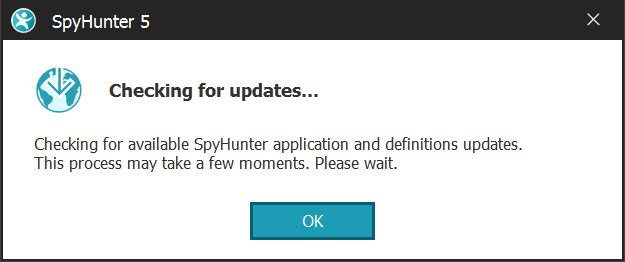
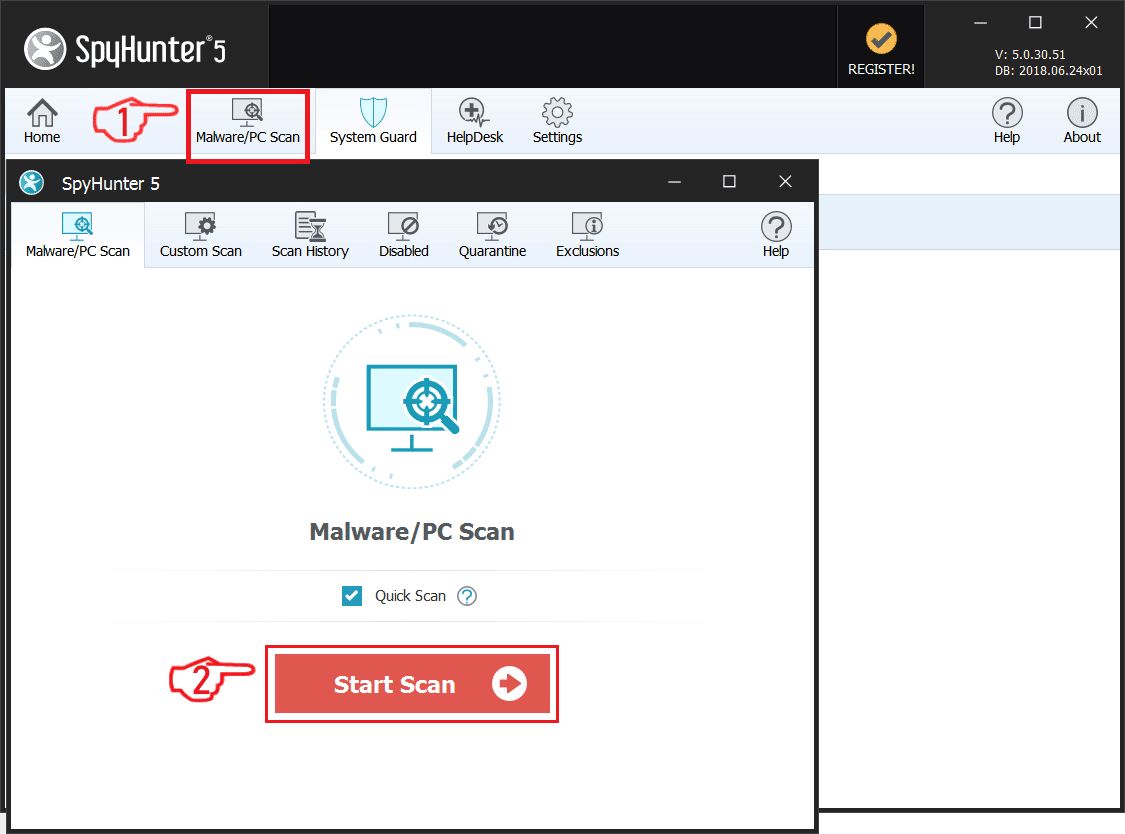
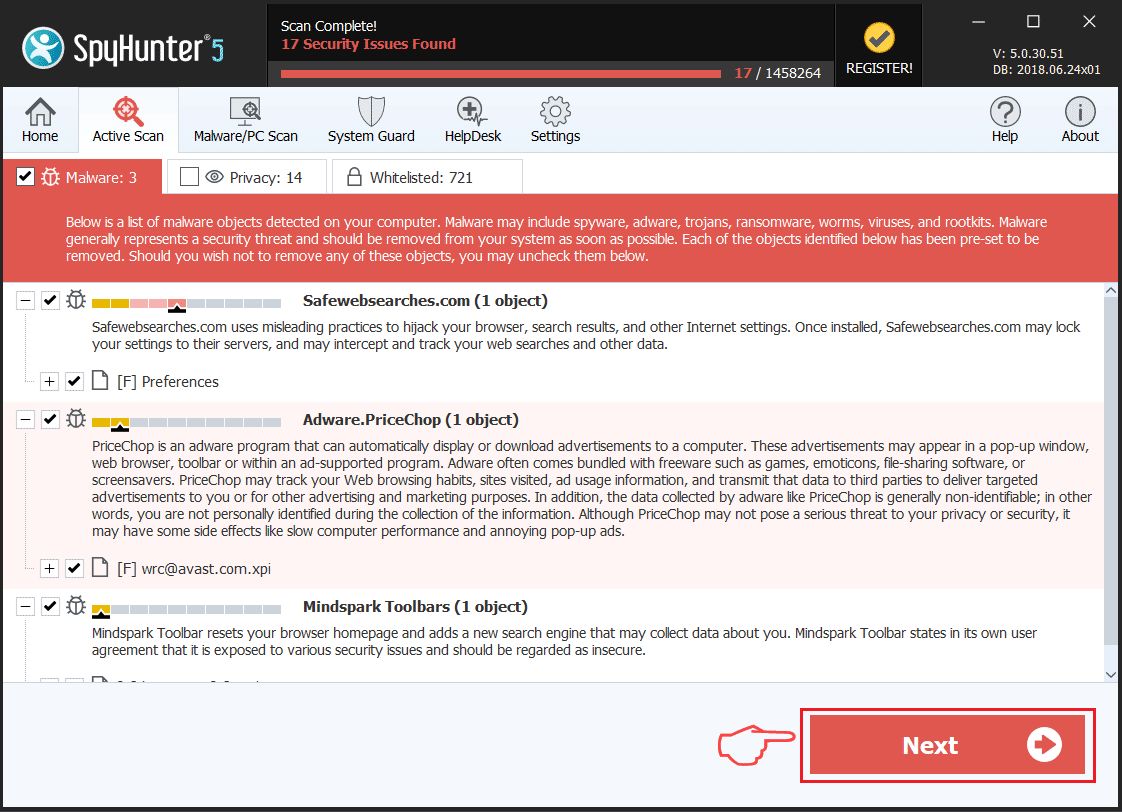
Step 1: Scan for with SpyHunter Anti-Malware Tool
Step 2: Boot Your PC In Safe Mode
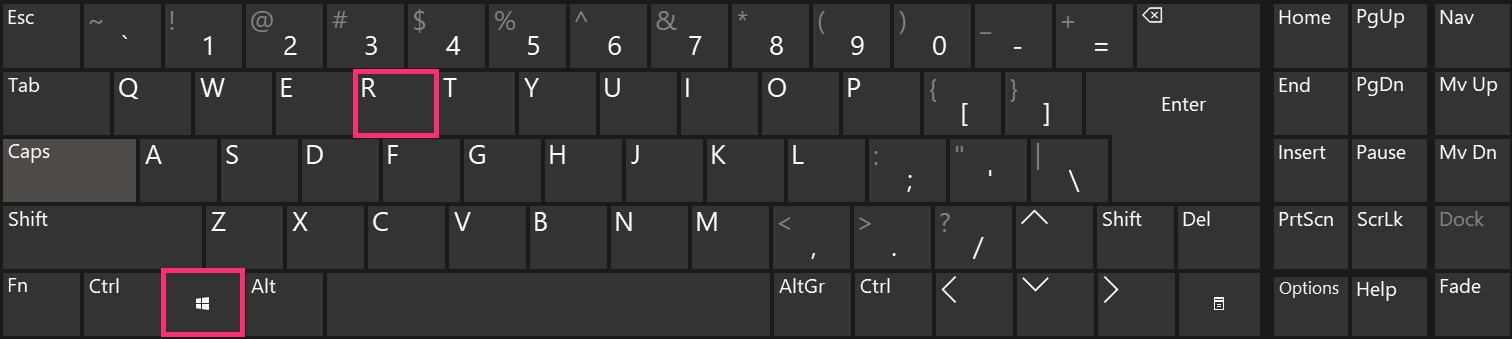
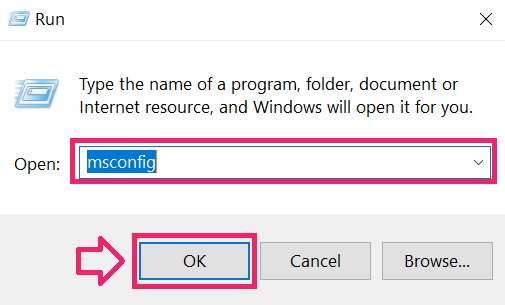
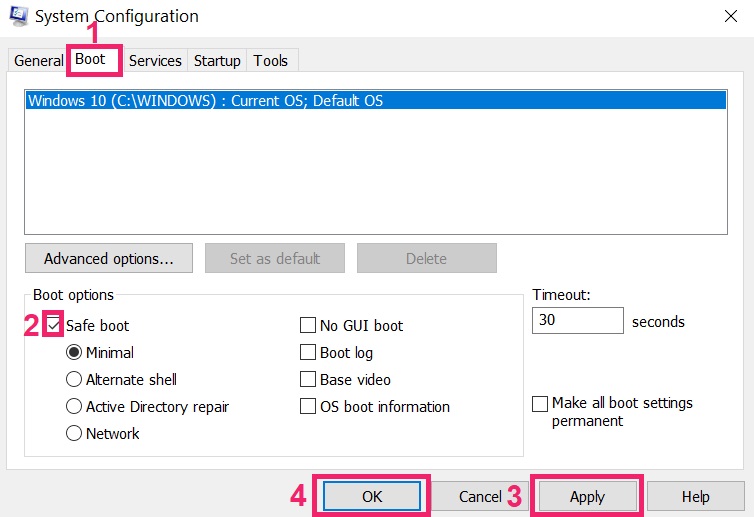
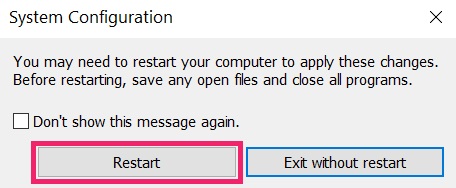
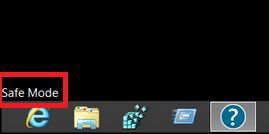
Step 3: Uninstall and related software from Windows
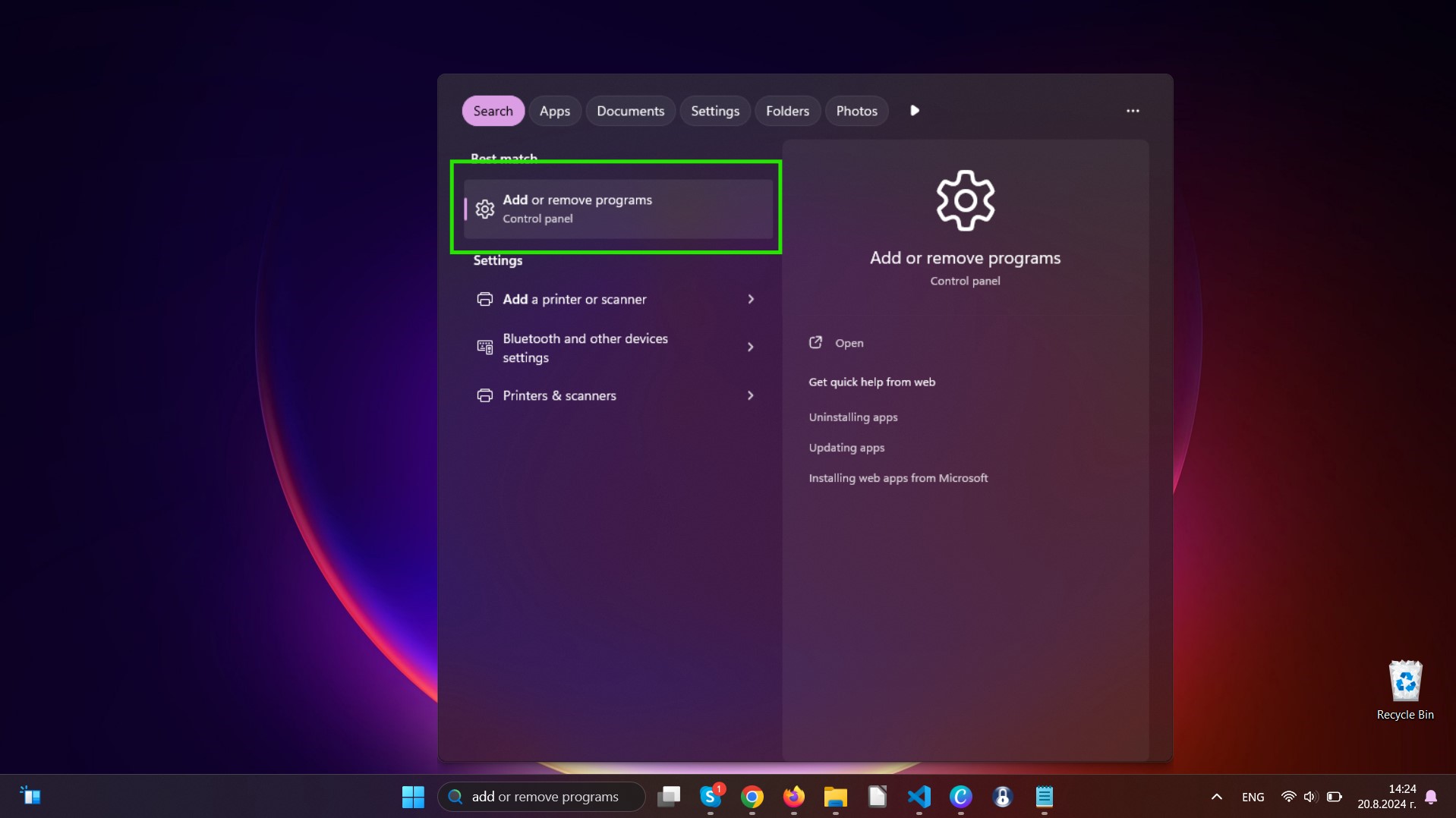
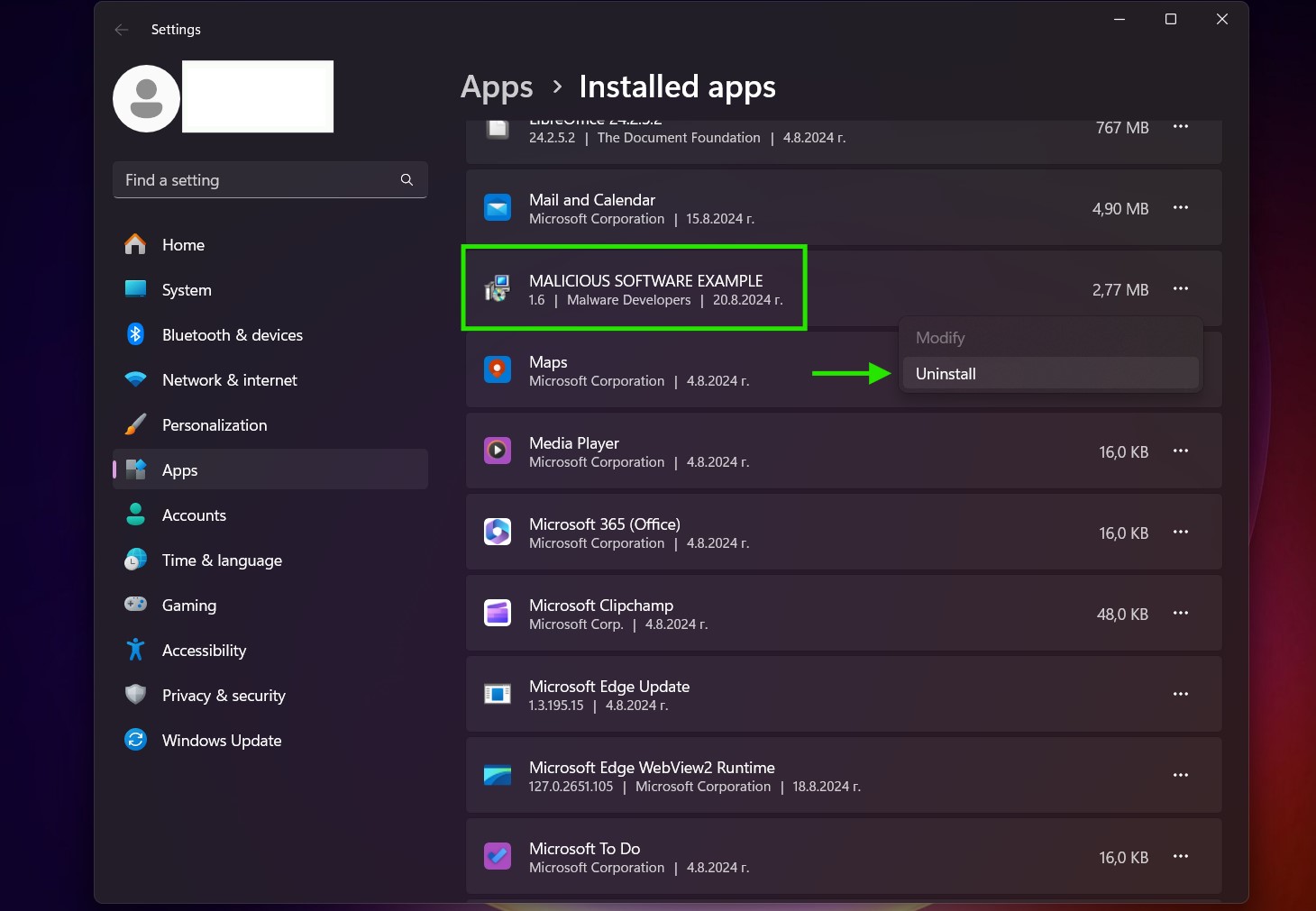
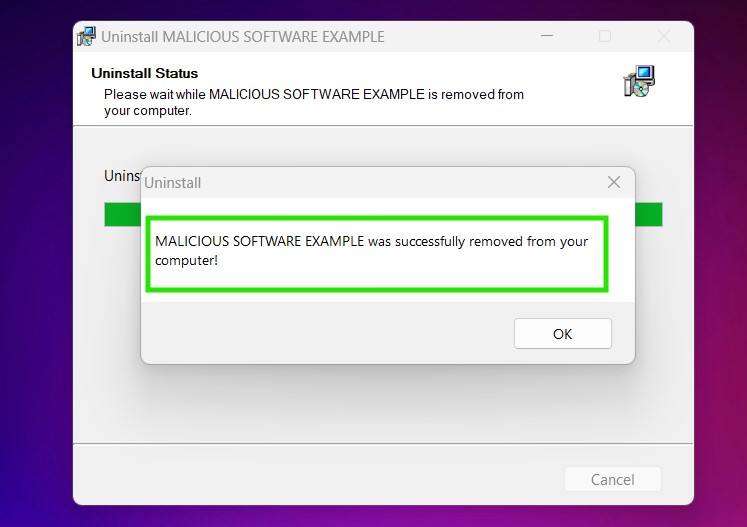
Uninstall Steps for Windows 11
Uninstall Steps for Windows 10 and Older Versions
Here is a method in few easy steps that should be able to uninstall most programs. No matter if you are using Windows 10, 8, 7, Vista or XP, those steps will get the job done. Dragging the program or its folder to the recycle bin can be a very bad decision. If you do that, bits and pieces of the program are left behind, and that can lead to unstable work of your PC, errors with the file type associations and other unpleasant activities. The proper way to get a program off your computer is to Uninstall it. To do that:
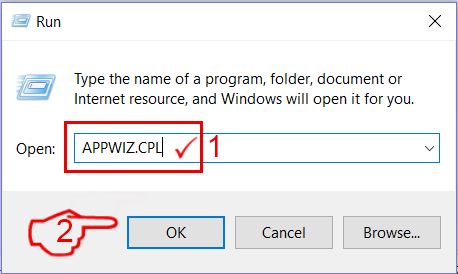
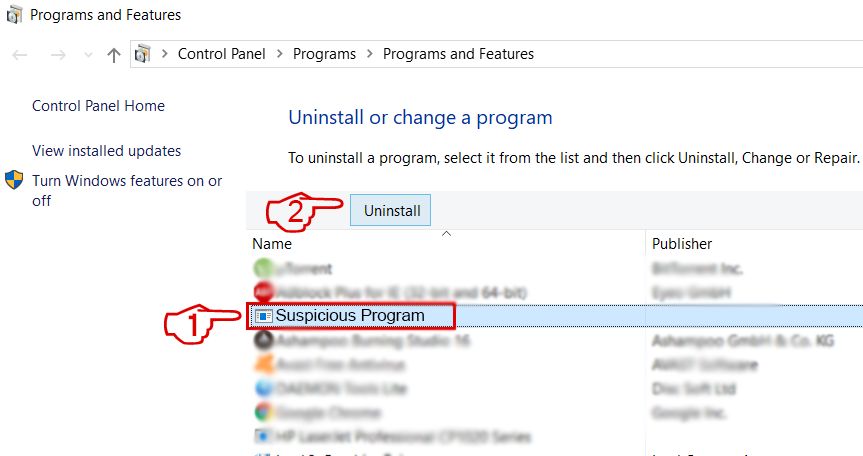 Follow the instructions above and you will successfully uninstall most programs.
Step 4: Clean Any registries, Created by on Your PC.
The usually targeted registries of Windows machines are the following:
- HKEY_LOCAL_MACHINE\Software\Microsoft\Windows\CurrentVersion\Run
- HKEY_CURRENT_USER\Software\Microsoft\Windows\CurrentVersion\Run
- HKEY_LOCAL_MACHINE\Software\Microsoft\Windows\CurrentVersion\RunOnce
- HKEY_CURRENT_USER\Software\Microsoft\Windows\CurrentVersion\RunOnce
You can access them by opening the Windows registry editor and deleting any values, created by there. This can happen by following the steps underneath:
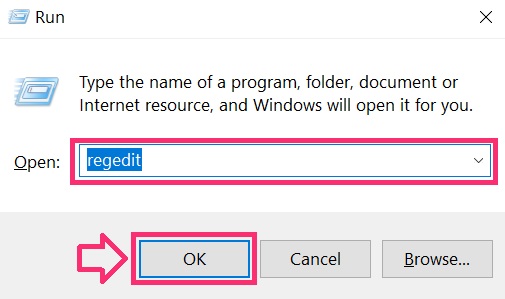
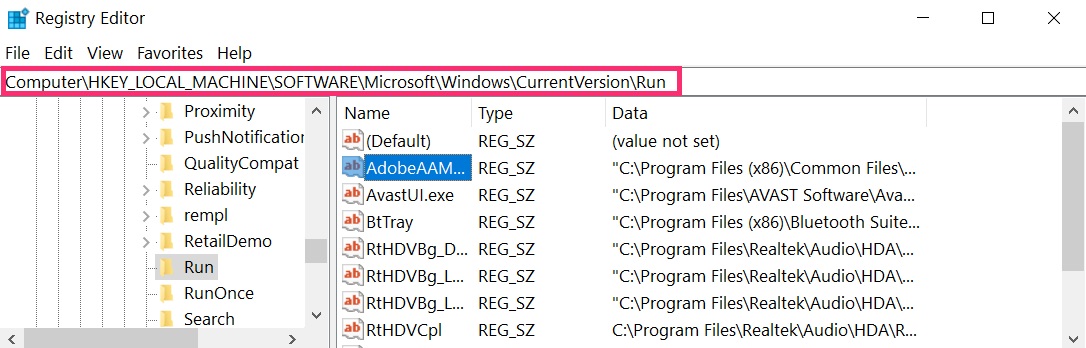
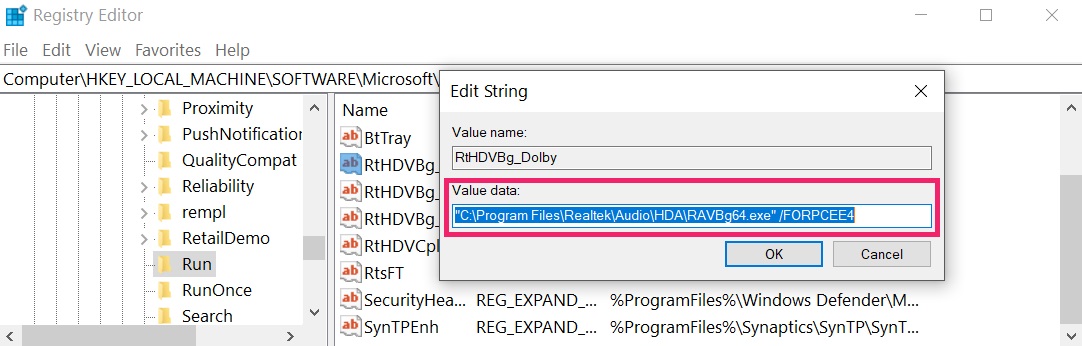 Tip: To find a virus-created value, you can right-click on it and click "Modify" to see which file it is set to run. If this is the virus file location, remove the value.
Video Removal Guide for (Windows).
Get rid of from Mac OS X.
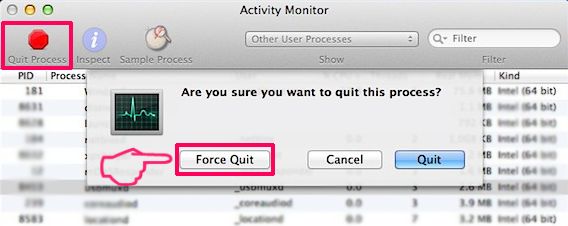
Step 1: Uninstall and remove related files and objects
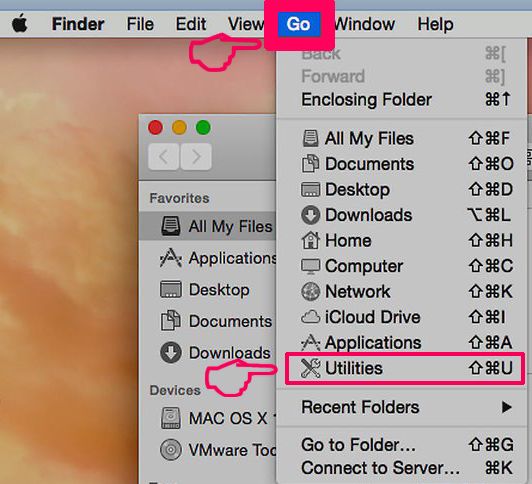
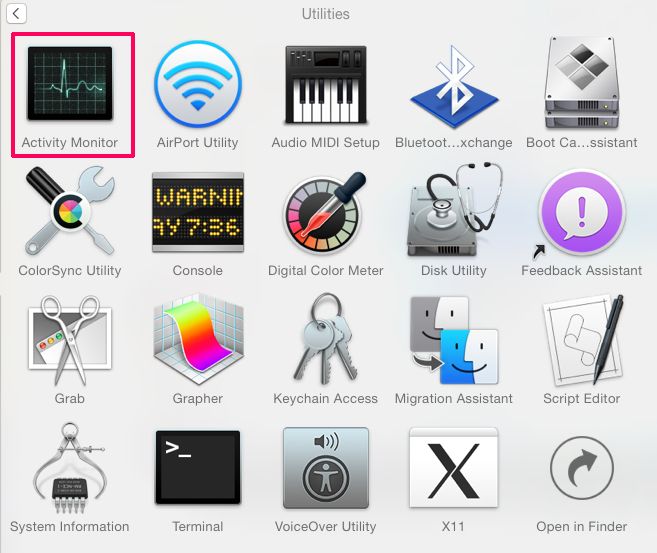
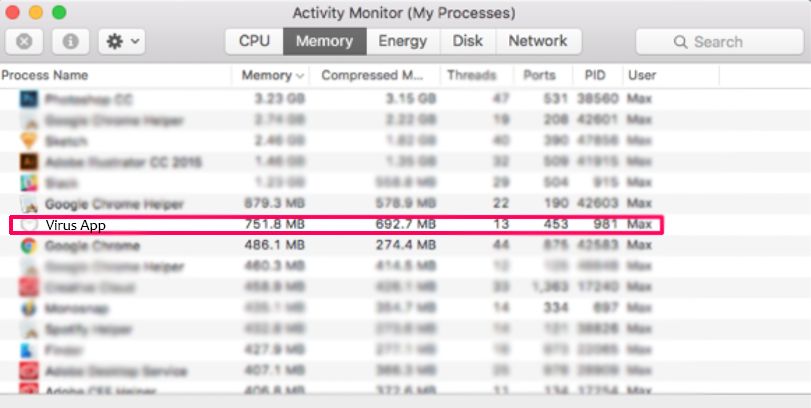
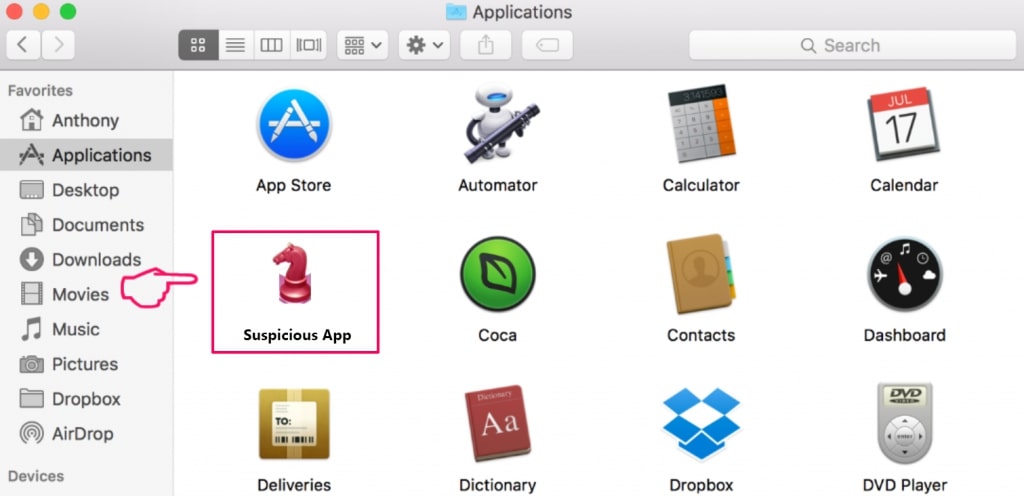
Your Mac will then show you a list of items that start automatically when you log in. Look for any suspicious apps identical or similar to . Check the app you want to stop from running automatically and then select on the Minus (“-“) icon to hide it.
- Go to Finder.
- In the search bar type the name of the app that you want to remove.
- Above the search bar change the two drop down menus to “System Files” and “Are Included” so that you can see all of the files associated with the application you want to remove. Bear in mind that some of the files may not be related to the app so be very careful which files you delete.
- If all of the files are related, hold the ⌘+A buttons to select them and then drive them to “Trash”.
In case you cannot remove via Step 1 above:
In case you cannot find the virus files and objects in your Applications or other places we have shown above, you can manually look for them in the Libraries of your Mac. But before doing this, please read the disclaimer below:
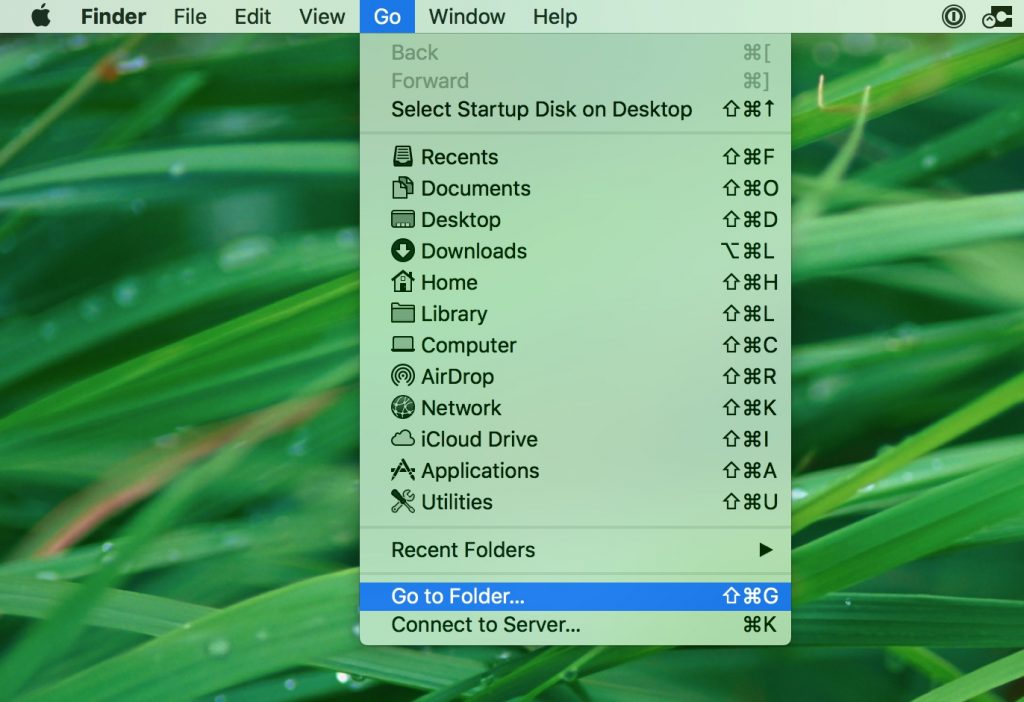
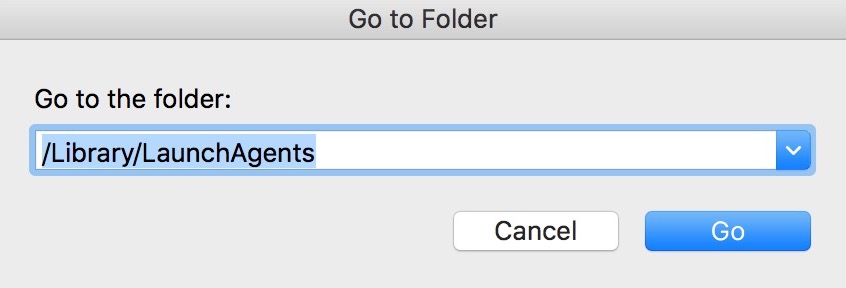
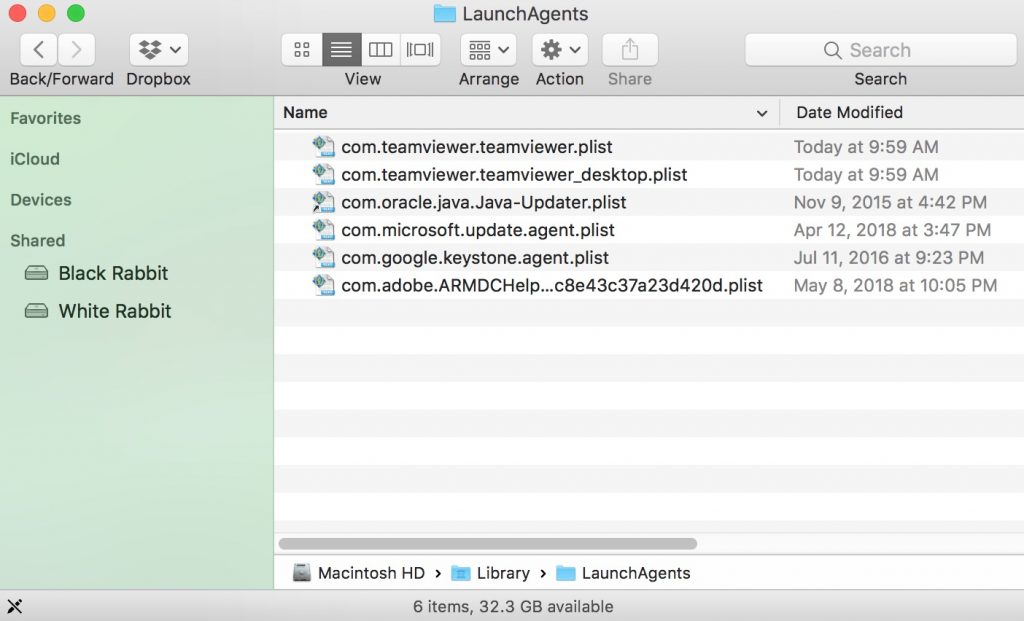
You can repeat the same procedure with the following other Library directories:
→ ~/Library/LaunchAgents
/Library/LaunchDaemons
Tip: ~ is there on purpose, because it leads to more LaunchAgents.
Step 2: Scan for and remove files from your Mac
When you are facing problems on your Mac as a result of unwanted scripts and programs such as , the recommended way of eliminating the threat is by using an anti-malware program. SpyHunter for Mac offers advanced security features along with other modules that will improve your Mac’s security and protect it in the future.
Video Removal Guide for (Mac)
Remove from Google Chrome.
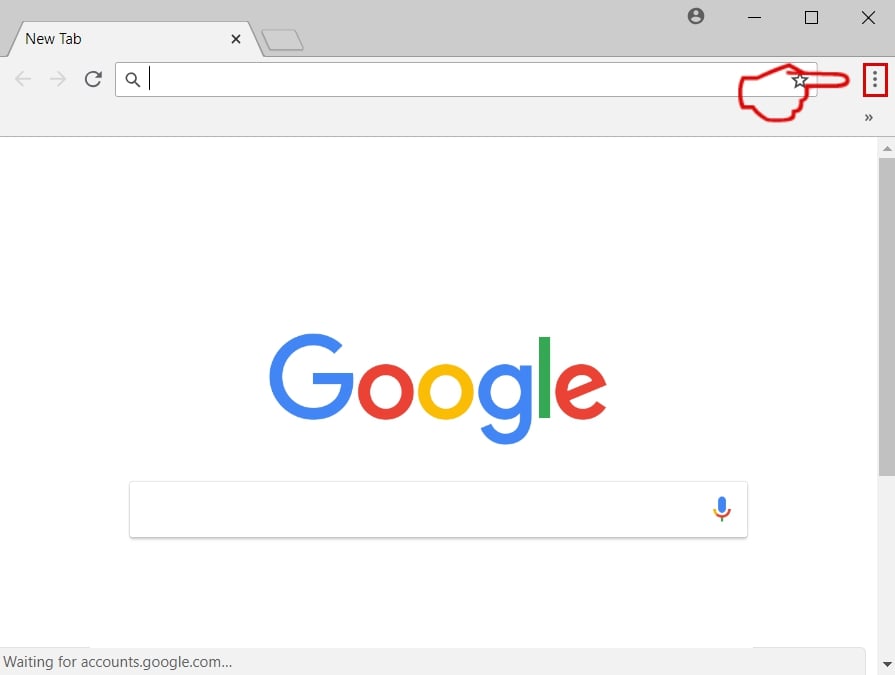
Step 1: Start Google Chrome and open the drop menu
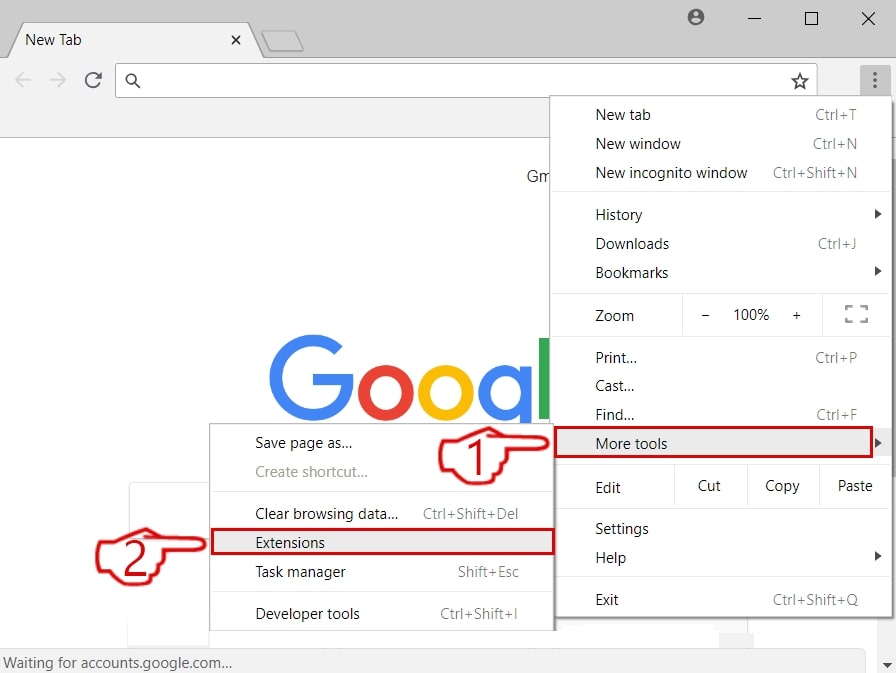
Step 2: Move the cursor over "Tools" and then from the extended menu choose "Extensions"
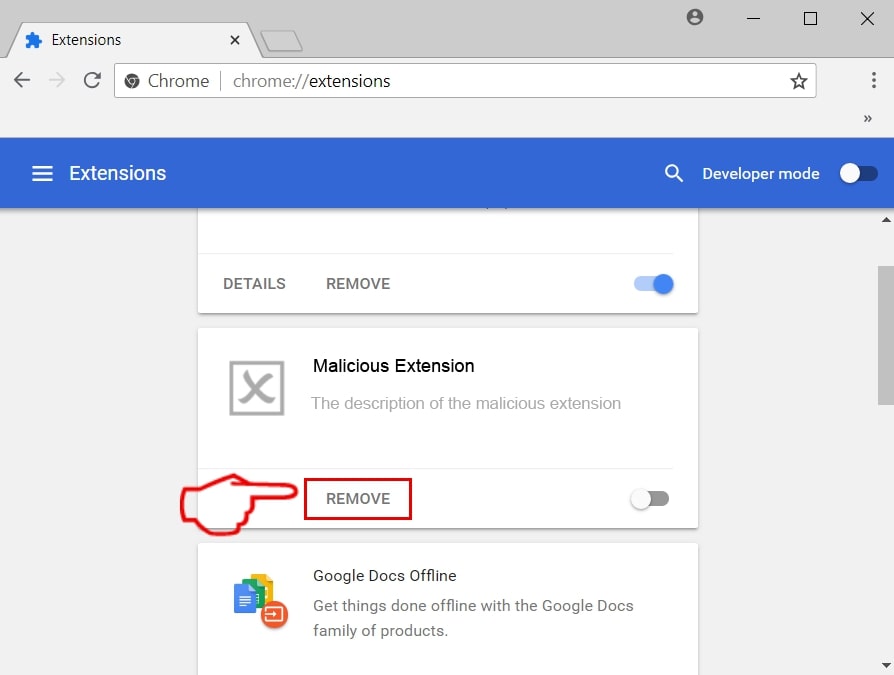
Step 3: From the opened "Extensions" menu locate the unwanted extension and click on its "Remove" button.
Step 4: After the extension is removed, restart Google Chrome by closing it from the red "X" button at the top right corner and start it again.
Erase from Mozilla Firefox.
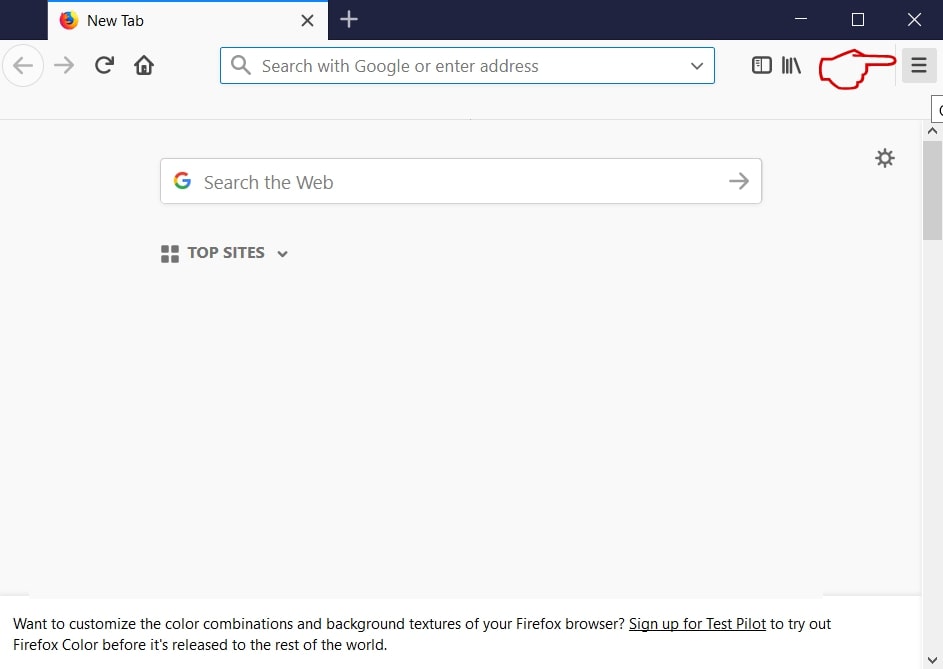
Step 1: Start Mozilla Firefox. Open the menu window:
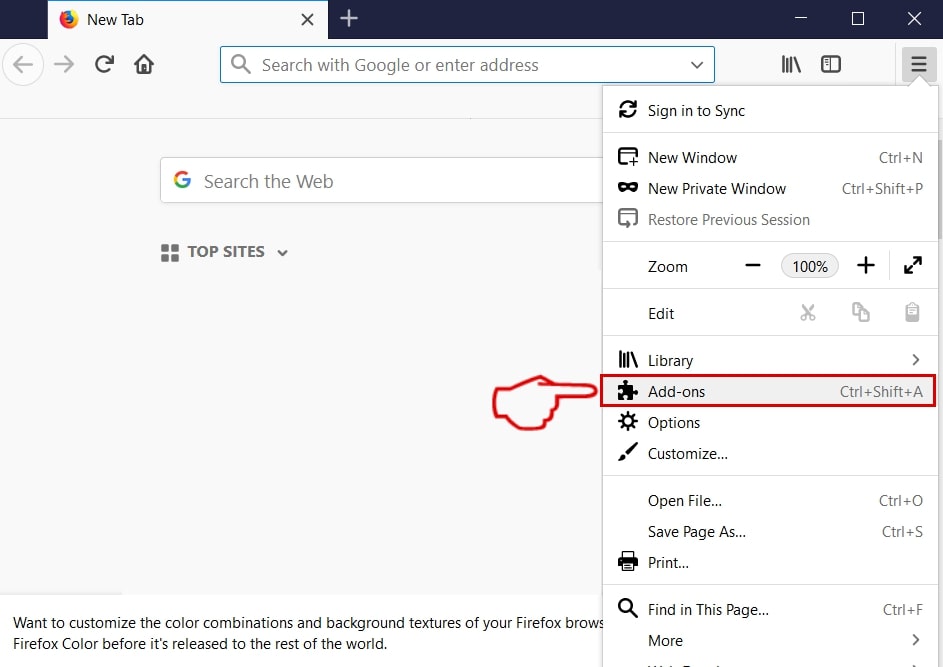
Step 2: Select the "Add-ons" icon from the menu.
Step 3: Select the unwanted extension and click "Remove"

Step 4: After the extension is removed, restart Mozilla Firefox by closing it from the red "X" button at the top right corner and start it again.
Uninstall from Microsoft Edge.
Step 1: Start Edge browser.
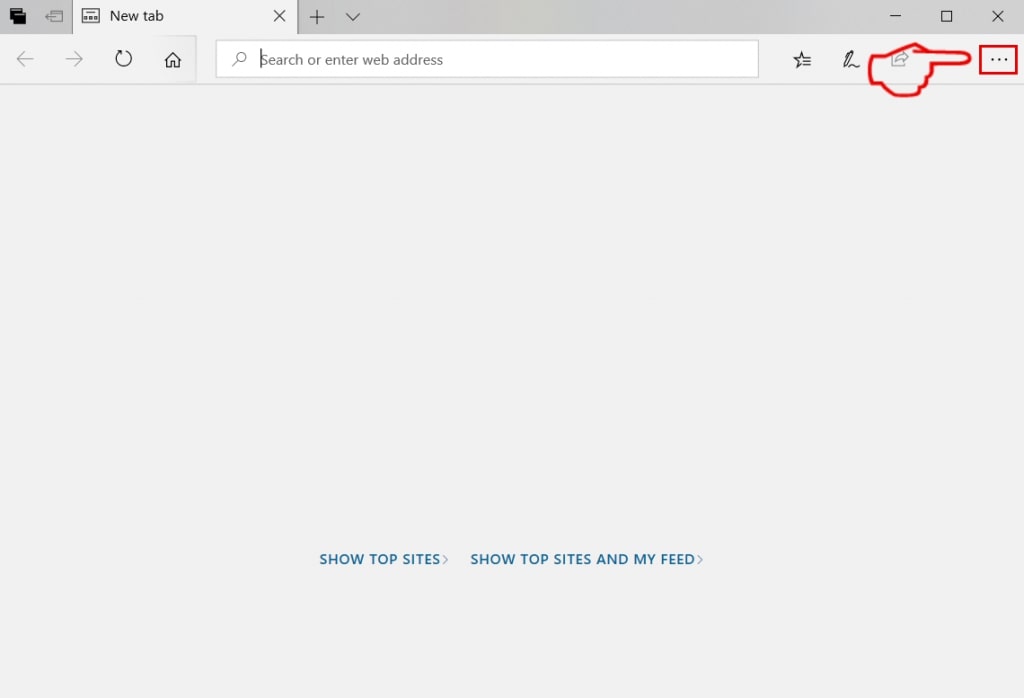
Step 2: Open the drop menu by clicking on the icon at the top right corner.
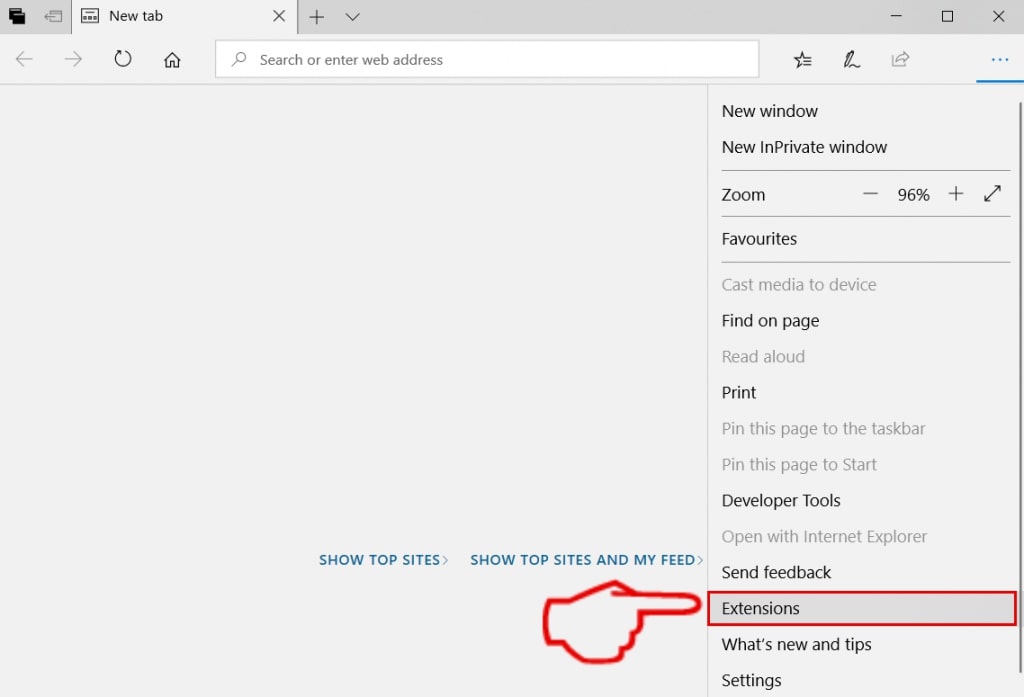
Step 3: From the drop menu select "Extensions".
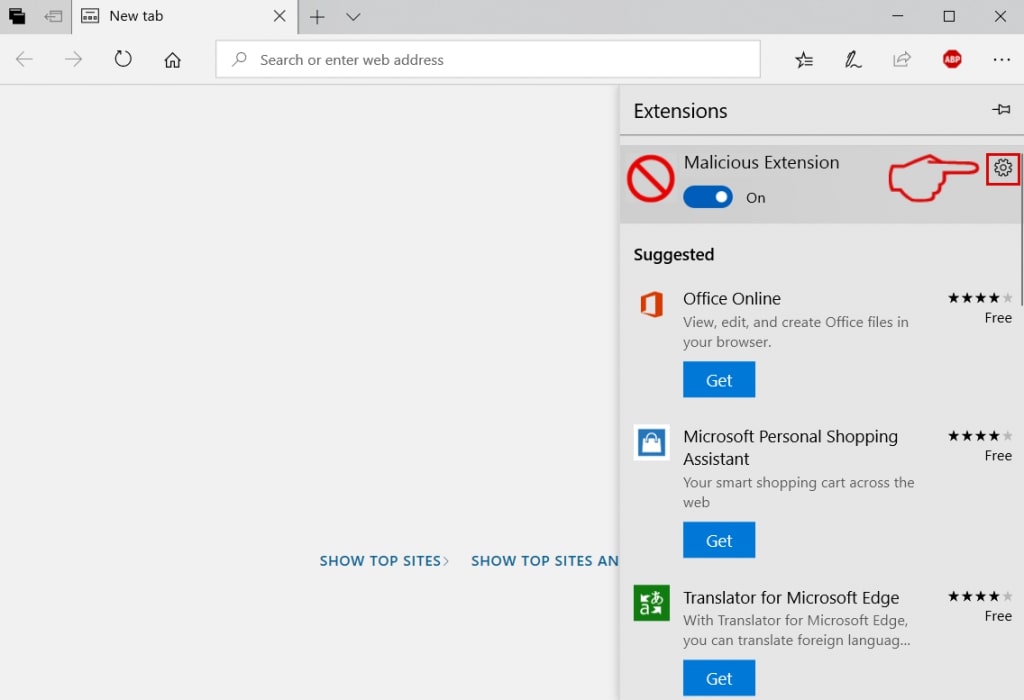
Step 4: Choose the suspected malicious extension you want to remove and then click on the gear icon.
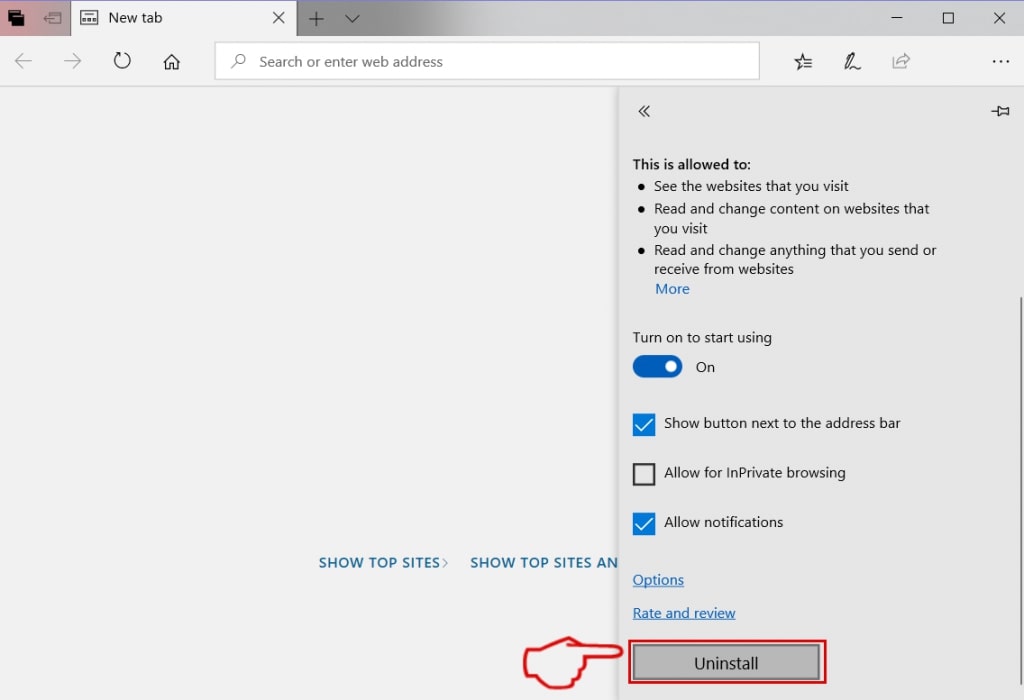
Step 5: Remove the malicious extension by scrolling down and then clicking on Uninstall.
Remove from Safari
Step 1: Start the Safari app.
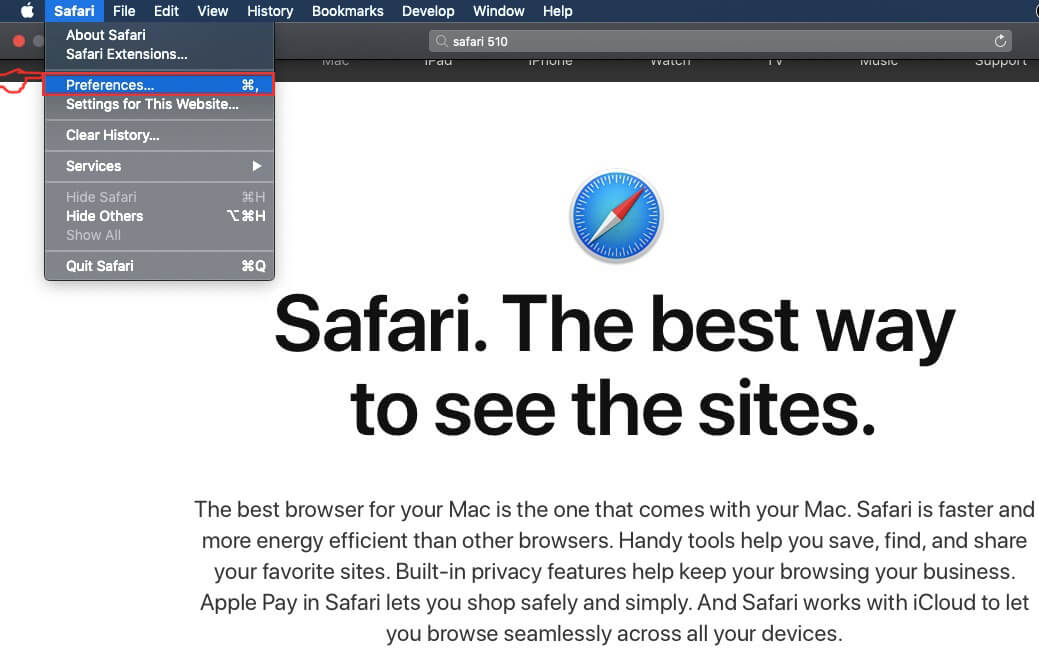
Step 2: After hovering your mouse cursor to the top of the screen, click on the Safari text to open its drop down menu.
Step 3: From the menu, click on "Preferences".
Step 4: After that, select the 'Extensions' Tab.

Step 5: Click once on the extension you want to remove.
Step 6: Click 'Uninstall'.
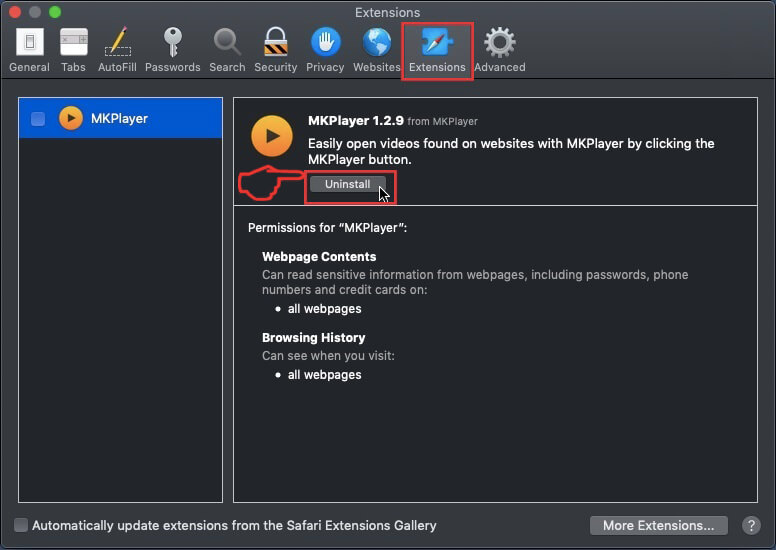
A pop-up window will appear asking for confirmation to uninstall the extension. Select 'Uninstall' again, and the will be removed.
Eliminate from Internet Explorer.
Step 1: Start Internet Explorer.
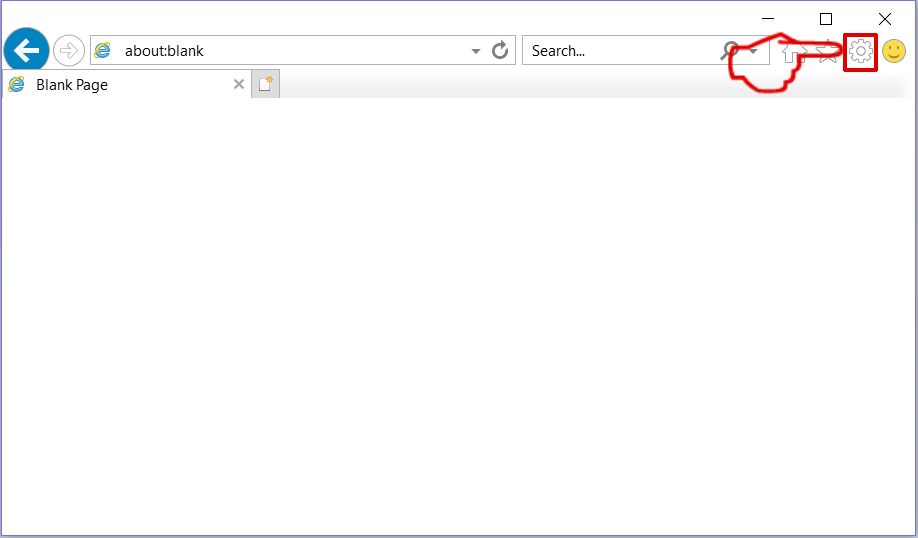
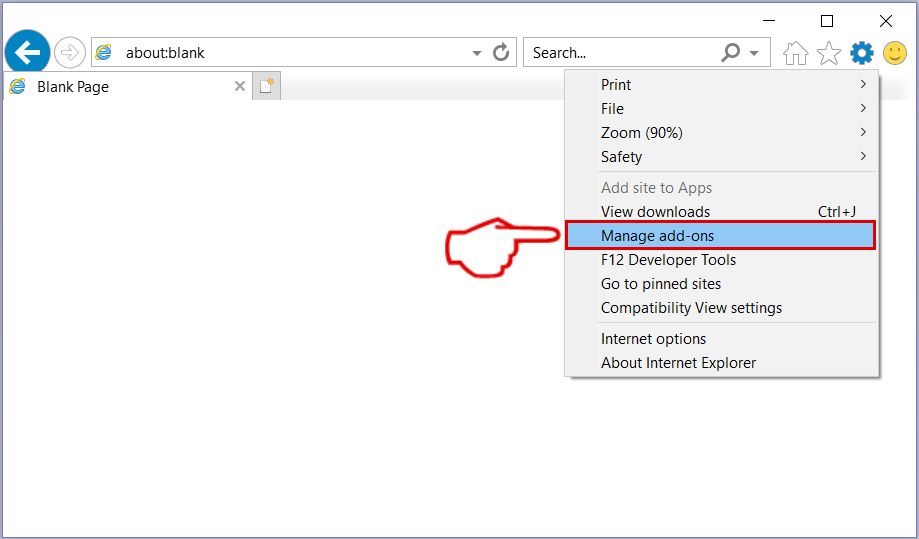
Step 2: Click on the gear icon labeled 'Tools' to open the drop menu and select 'Manage Add-ons'
Step 3: In the 'Manage Add-ons' window.
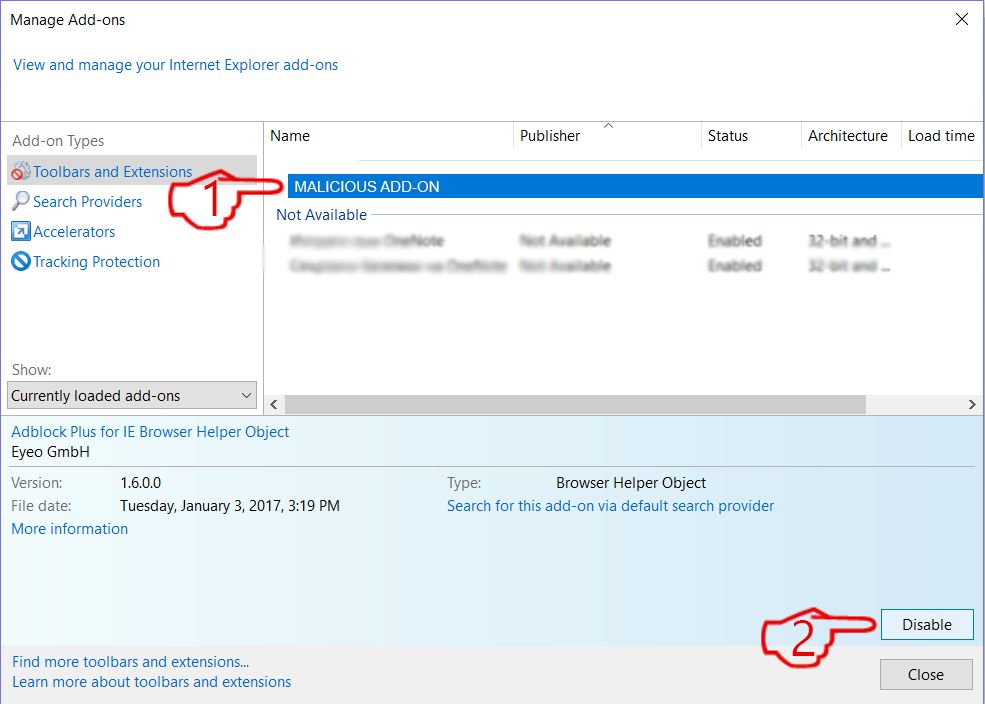
Step 4: Select the extension you want to remove and then click 'Disable'. A pop-up window will appear to inform you that you are about to disable the selected extension, and some more add-ons might be disabled as well. Leave all the boxes checked, and click 'Disable'.
Step 5: After the unwanted extension has been removed, restart Internet Explorer by closing it from the red 'X' button located at the top right corner and start it again.
Remove Push Notifications from Your Browsers
Turn Off Push Notifications from Google Chrome
To disable any Push Notices from Google Chrome browser, please follow the steps below:
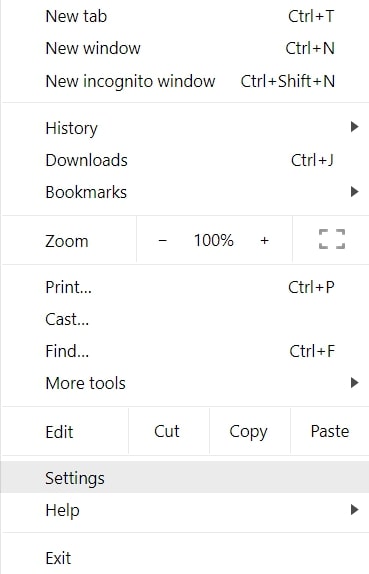
Step 1: Go to Settings in Chrome.
Step 2: In Settings, select “Advanced Settings”:
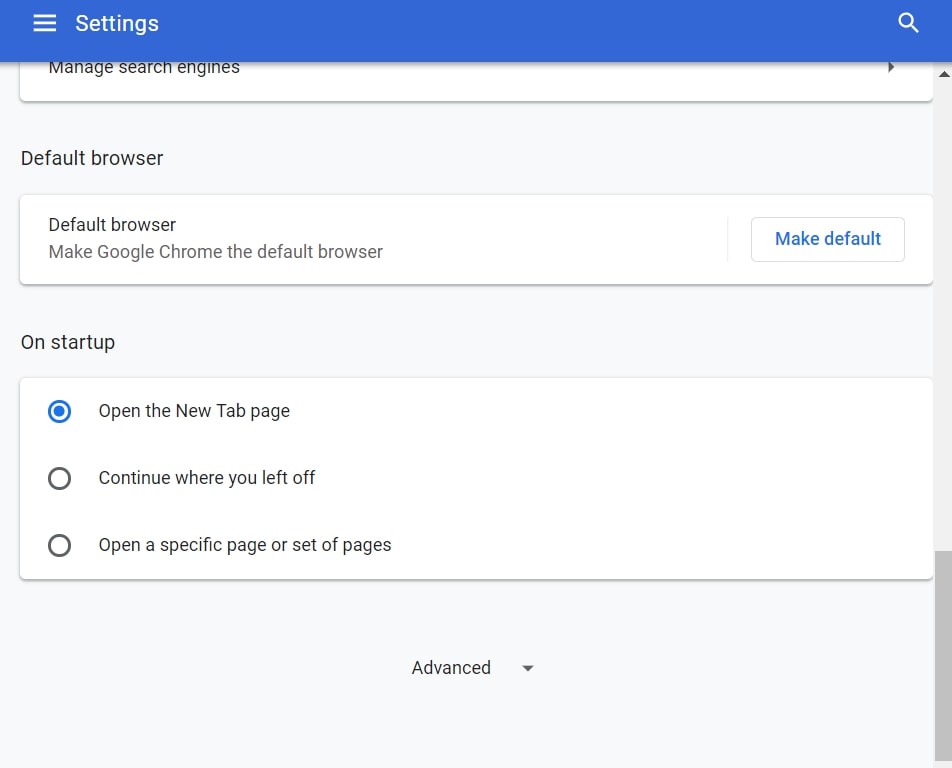
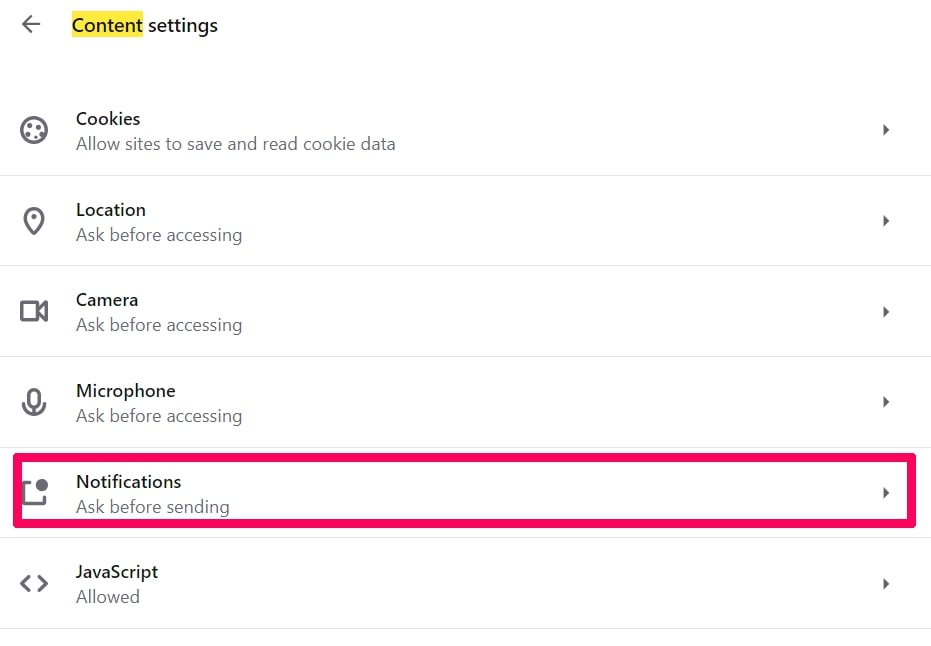
Step 3: Click “Content Settings”:
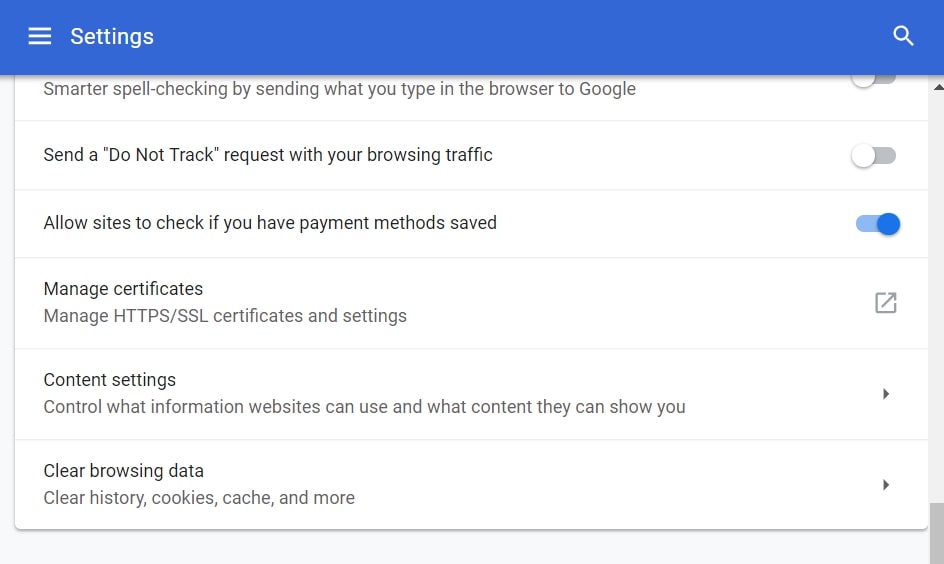
Step 4: Open “Notifications”:
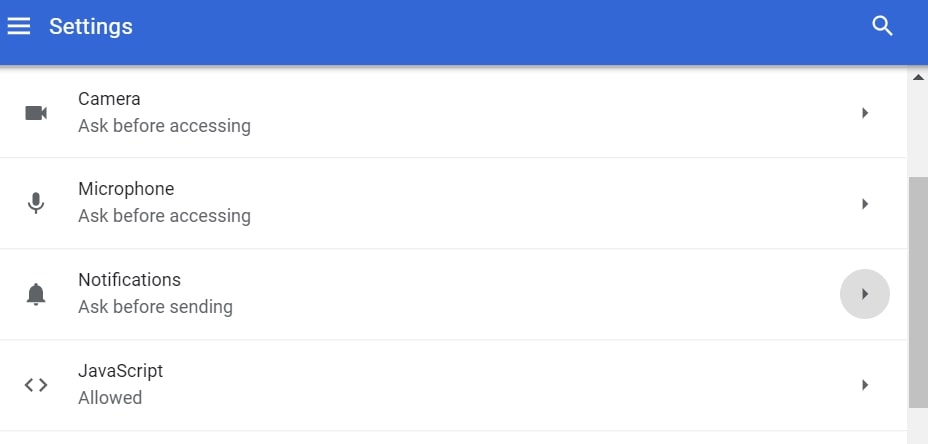
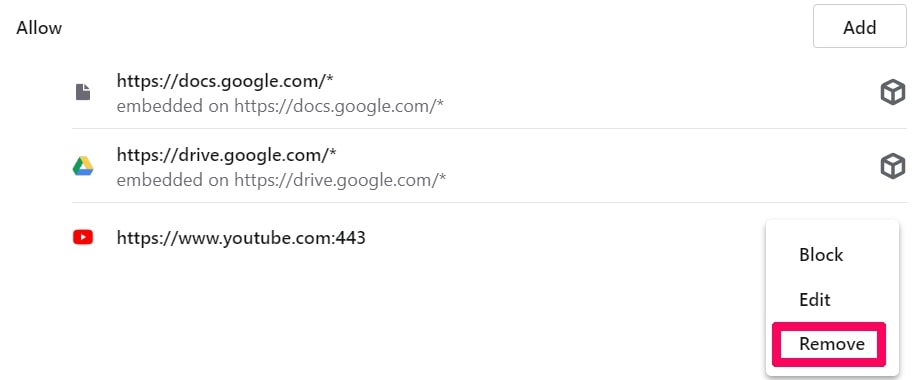
Step 5: Click the three dots and choose Block, Edit or Remove options:

Remove Push Notifications on Firefox
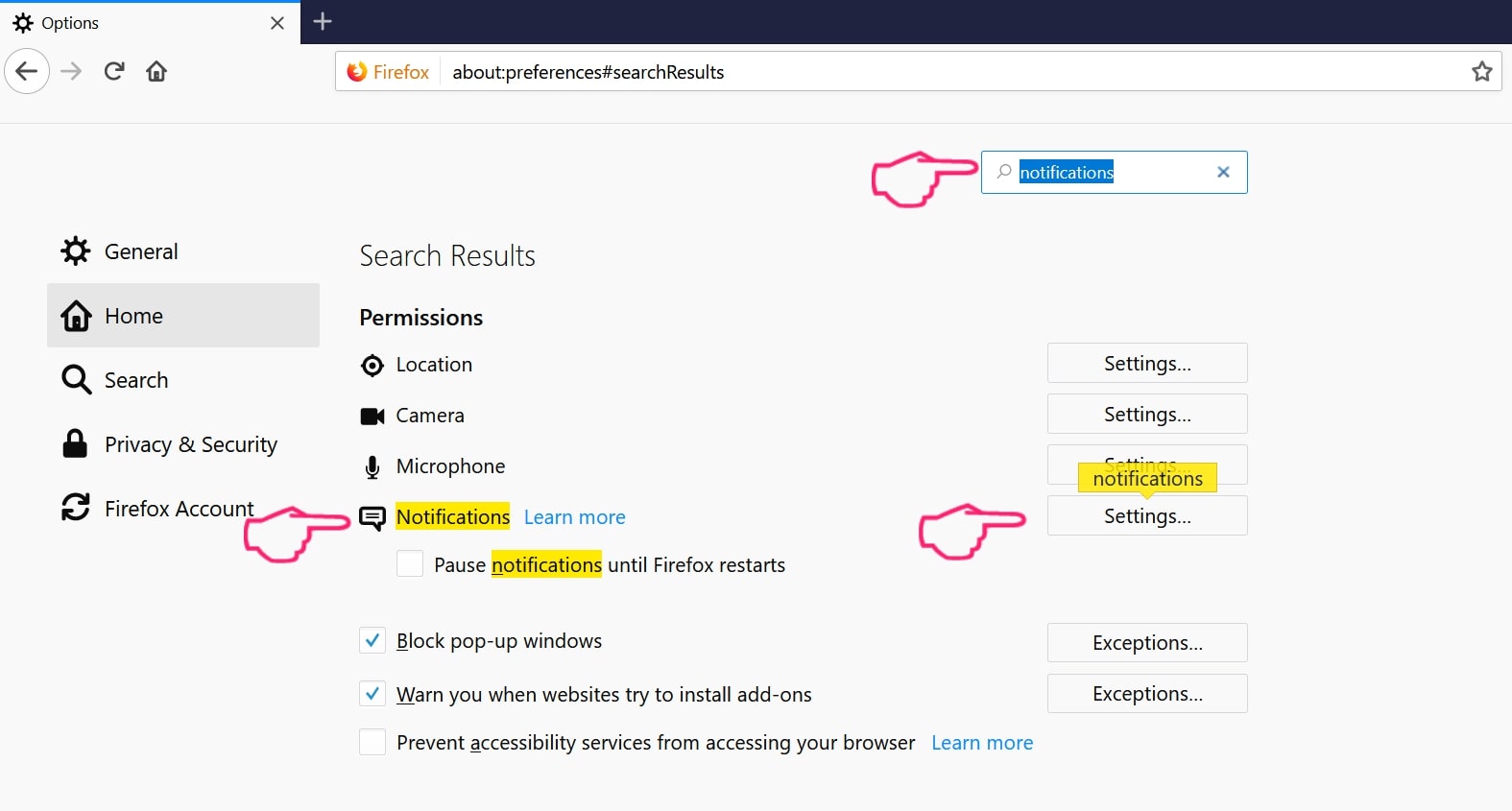
Step 1: Go to Firefox Options.
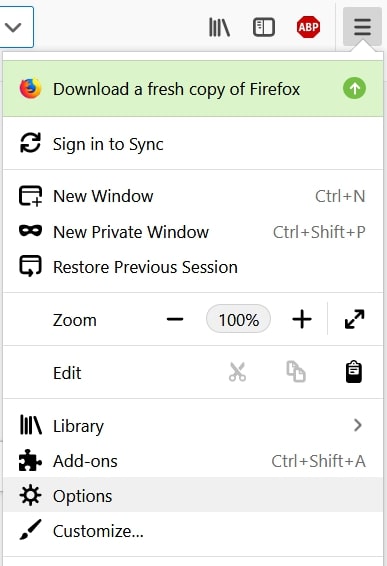
Step 2: Go to “Settings”, type “notifications” in the search bar and click "Settings":
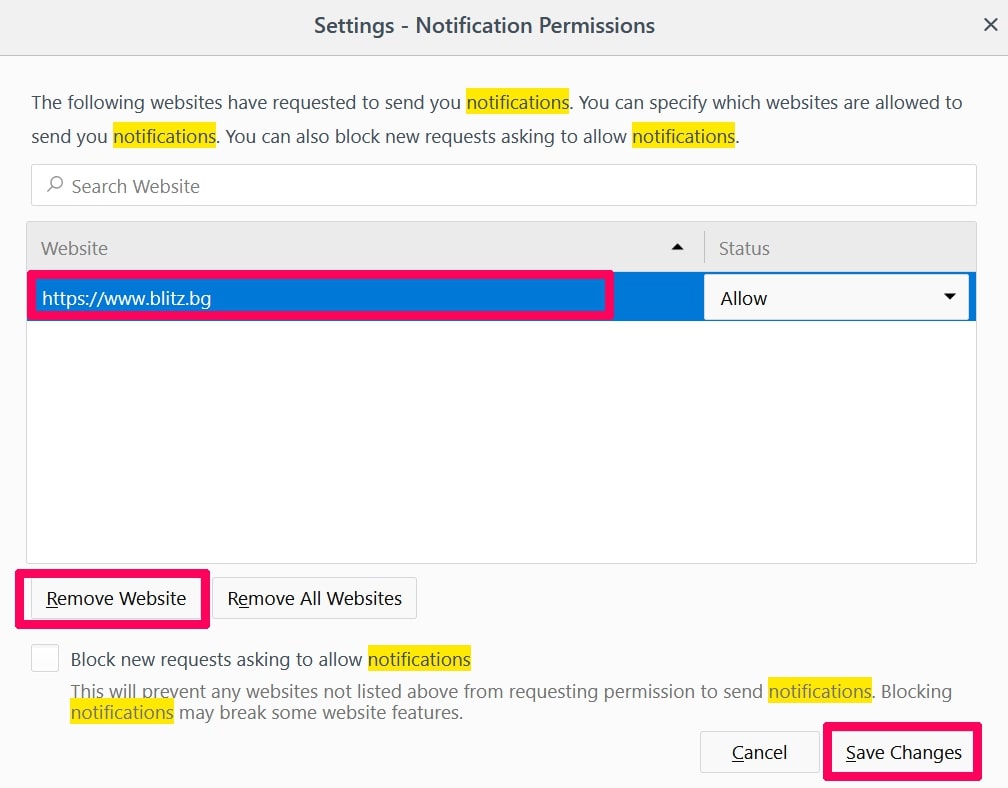
Step 3: Click “Remove” on any site you wish notifications gone and click “Save Changes”
Stop Push Notifications on Opera
Step 1: In Opera, press ALT+P to go to Settings.
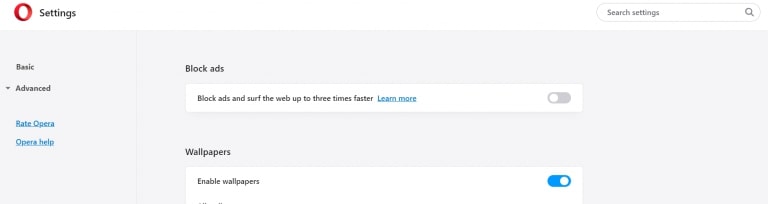
Step 2: In Setting search, type “Content” to go to Content Settings.
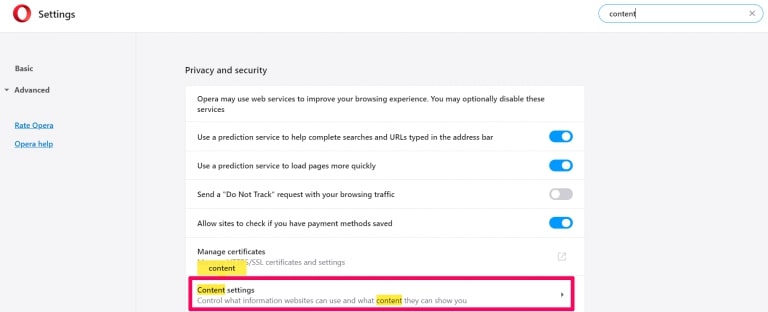
Step 3: Open Notifications:
Step 4: Do the same as you did with Google Chrome (explained below):
Eliminate Push Notifications on Safari
Step 1: Open Safari Preferences.
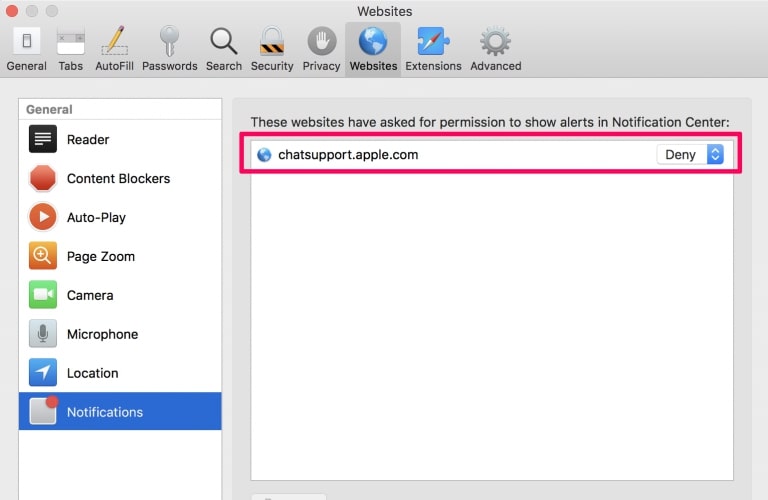
Step 2: Choose the domain from where you like push pop-ups gone and change to "Deny" from "Allow".
-FAQ
What Is ?
The threat is adware or browser redirect virus.
It may slow your computer down significantly and display advertisements. The main idea is for your information to likely get stolen or more ads to appear on your device.
The creators of such unwanted apps work with pay-per-click schemes to get your computer to visit risky or different types of websites that may generate them funds. This is why they do not even care what types of websites show up on the ads. This makes their unwanted software indirectly risky for your OS.
What Are the Symptoms of ?
There are several symptoms to look for when this particular threat and also unwanted apps in general are active:
Symptom #1: Your computer may become slow and have poor performance in general.
Symptom #2: You have toolbars, add-ons or extensions on your web browsers that you don't remember adding.
Symptom #3: You see all types of ads, like ad-supported search results, pop-ups and redirects to randomly appear.
Symptom #4: You see installed apps on your Mac running automatically and you do not remember installing them.
Symptom #5: You see suspicious processes running in your Task Manager.
If you see one or more of those symptoms, then security experts recommend that you check your computer for viruses.
What Types of Unwanted Programs Are There?
According to most malware researchers and cyber-security experts, the threats that can currently affect your device can be rogue antivirus software, adware, browser hijackers, clickers, fake optimizers and any forms of PUPs.
What to Do If I Have a "virus" like ?
With few simple actions. First and foremost, it is imperative that you follow these steps:
Step 1: Find a safe computer and connect it to another network, not the one that your Mac was infected in.
Step 2: Change all of your passwords, starting from your email passwords.
Step 3: Enable two-factor authentication for protection of your important accounts.
Step 4: Call your bank to change your credit card details (secret code, etc.) if you have saved your credit card for online shopping or have done online activities with your card.
Step 5: Make sure to call your ISP (Internet provider or carrier) and ask them to change your IP address.
Step 6: Change your Wi-Fi password.
Step 7: (Optional): Make sure to scan all of the devices connected to your network for viruses and repeat these steps for them if they are affected.
Step 8: Install anti-malware software with real-time protection on every device you have.
Step 9: Try not to download software from sites you know nothing about and stay away from low-reputation websites in general.
If you follow these recommendations, your network and all devices will become significantly more secure against any threats or information invasive software and be virus free and protected in the future too.
How Does Work?
Once installed, can collect data using trackers. This data is about your web browsing habits, such as the websites you visit and the search terms you use. It is then used to target you with ads or to sell your information to third parties.
can also download other malicious software onto your computer, such as viruses and spyware, which can be used to steal your personal information and show risky ads, that may redirect to virus sites or scams.
Is Malware?
The truth is that PUPs (adware, browser hijackers) are not viruses, but may be just as dangerous since they may show you and redirect you to malware websites and scam pages.
Many security experts classify potentially unwanted programs as malware. This is because of the unwanted effects that PUPs can cause, such as displaying intrusive ads and collecting user data without the user’s knowledge or consent.
About the Research
The content we publish on SensorsTechForum.com, this how-to removal guide included, is the outcome of extensive research, hard work and our team’s devotion to help you remove the specific, adware-related problem, and restore your browser and computer system.
How did we conduct the research on ?
Please note that our research is based on independent investigation. We are in contact with independent security researchers, thanks to which we receive daily updates on the latest malware, adware, and browser hijacker definitions.
Furthermore, the research behind the threat is backed with VirusTotal.
To better understand this online threat, please refer to the following articles which provide knowledgeable details.