

What is Incremental Test Virus Ads?
Read this article to find out what Incremental Test Virus Ads really is, how it infiltrates operating systems, and why it should not be ignored. Although it may appear as a legitimate or experimental program named “Incremental Test,” this software is classified as adware due to its aggressive advertising behavior and intrusive notification delivery mechanisms.
Incremental Test Virus Ads is a potentially unwanted program that focuses on monetization through deceptive advertising techniques. It disguises itself as a normal application, but once active, it begins displaying excessive notifications, pop-ups, banners, and browser-based messages that disrupt normal system usage. These ads are often misleading and may redirect users to unknown or unsafe websites.
What makes Incremental Test particularly problematic is its abuse of notification permissions. Once granted access, the adware can continuously push notifications directly to the desktop, bypassing traditional browser windows and making the ads appear more legitimate and harder to block.
This threat does not rely on advanced exploits. Instead, it leverages user trust and misdirection, making it highly effective against less cautious users. Over time, its presence can degrade system performance, compromise user privacy, and expose the device to additional security risks.

Incremental Test Virus Short Overview
| Type | Fake online store, Browser Hijacker, Redirect, PUP |
| Short Description | A suspicious website and rogue search engine that hijacks your browsers and causes redirects. |
| Symptoms | Unwanted pop-ups may start appearing while you are browsing the web. A browser hijacker may be downloaded without your knowledge. |
| Removal Time | Approximately 15 minutes for a full-system scan |
| Removal Tool |
See If Your System Has Been Affected by malware
Download
Malware Removal Tool
|
How Did I Get Incremental Test Virus Ads?
Incremental Test Virus Ads typically spreads through indirect distribution methods rather than direct malware attacks. In most cases, users install it unknowingly while downloading other software or interacting with deceptive online content.
Common distribution methods include:
- Bundled installers that include hidden adware components
- Fake software updates or system optimization tools
- Misleading websites prompting users to allow notifications
- Freeware platforms offering poorly vetted applications
During installation, Incremental Test may request permission to show notifications or run in the background. These prompts are often worded in a way that suggests they are necessary for functionality. Once the permission is granted, the adware gains the ability to deliver persistent advertising content.
Another frequent infection vector involves browser redirects. Users may be redirected to a page claiming that access must be allowed to verify they are not a robot, watch a video, or download a file. Clicking “Allow” enables the adware’s notification spam.
Because the installation process does not always trigger obvious warning signs, many users are unaware of the infection until the volume of ads becomes disruptive. This delayed detection allows the adware to entrench itself more deeply into the system.
What Does Incremental Test Virus Ads Do?
Once active, Incremental Test Virus Ads initiates a series of intrusive actions designed to maximize advertising exposure and generate revenue for its operators. The most noticeable symptom is the constant appearance of notifications, even when the browser is closed.
Its primary activities include:
- Sending persistent push notifications to the desktop
- Displaying misleading ads, alerts, and fake warnings
- Redirecting users to unknown or suspicious websites
- Promoting low-quality software and online scams
These notifications may impersonate system alerts, security warnings, or promotional messages. Some ads attempt to scare users into installing additional software by claiming that the system is infected or outdated. Others may lead to phishing pages designed to harvest personal information.
Beyond visible ads, Incremental Test may also collect data related to user behavior. This can include browsing activity, IP addresses, search queries, and interaction with advertisements. While this data is often used for targeted advertising, it may also be shared with third parties, raising significant privacy concerns.
The adware can modify browser-related settings to ensure continued exposure. This may involve altering startup preferences, injecting scripts into web sessions, or maintaining background processes that restart the adware if it is partially removed.
System performance can also be affected. Increased CPU usage, memory consumption, and network activity are common side effects, especially when multiple ad processes are running simultaneously.
In some cases, Incremental Test Virus Ads acts as a gateway threat. The websites it promotes may host more dangerous malware, increasing the likelihood of further infections if the user interacts with the displayed content.
How to Remove Incremental Test Virus Ads
Removing Incremental Test Virus Ads requires eliminating both the visible application and its hidden components. Because the adware often relies on notification permissions and background persistence, simply closing pop-ups is not sufficient.
A complete removal process involves identifying the source of the notifications, revoking unwanted permissions, and removing any associated applications or background processes. Browsers should be carefully inspected for unknown extensions, modified settings, or suspicious permissions.
In some cases, Incremental Test may not appear as a clearly labeled application. Instead, it may use generic names or hide within system directories, making manual identification more difficult. This is why partial removal often results in the ads returning after a system restart.
After successful removal, it is crucial to review browser notification settings and reset any changes made by the adware. Users should also remain vigilant when visiting websites that request notification access, as this is one of the most abused features by ad-supported threats.
Preventive measures include downloading software only from trusted sources, avoiding suspicious pop-ups, and carefully reviewing installation prompts. Adware like Incremental Test thrives on inattention, making user awareness a key defense.
What should you do?
If you are experiencing persistent ads or notifications linked to Incremental Test Virus Ads, immediate action is recommended. Allowing the adware to remain active may expose your system to scams, privacy violations, and additional unwanted software.
Follow the removal guide provided below this article to fully remove Incremental Test Virus Ads from your computer and restore normal system behavior. Taking timely steps will help protect your data, improve performance, and prevent future adware infections.

Ventsislav Krastev
Ventsislav is a cybersecurity expert at SensorsTechForum since 2015. He has been researching, covering, helping victims with the latest malware infections plus testing and reviewing software and the newest tech developments. Having graduated Marketing as well, Ventsislav also has passion for learning new shifts and innovations in cybersecurity that become game changers. After studying Value Chain Management, Network Administration and Computer Administration of System Applications, he found his true calling within the cybersecrurity industry and is a strong believer in the education of every user towards online safety and security.
Follow Me:
- Windows
- Mac OS X
- Google Chrome
- Mozilla Firefox
- Microsoft Edge
- Safari
- Internet Explorer
- Stop Push Pop-ups
How to Remove Incremental Test Virus from Windows.
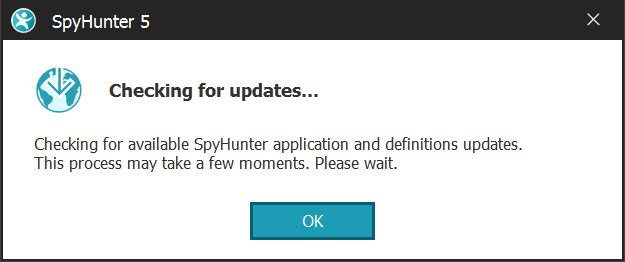
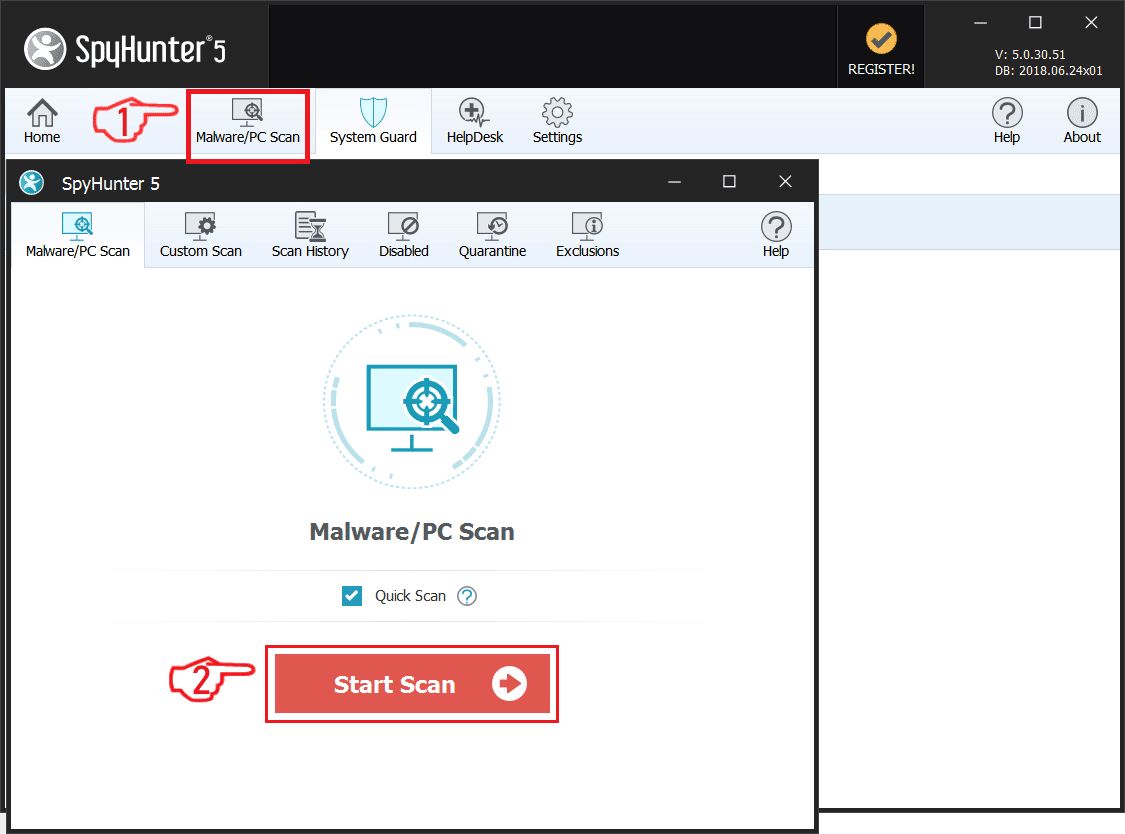
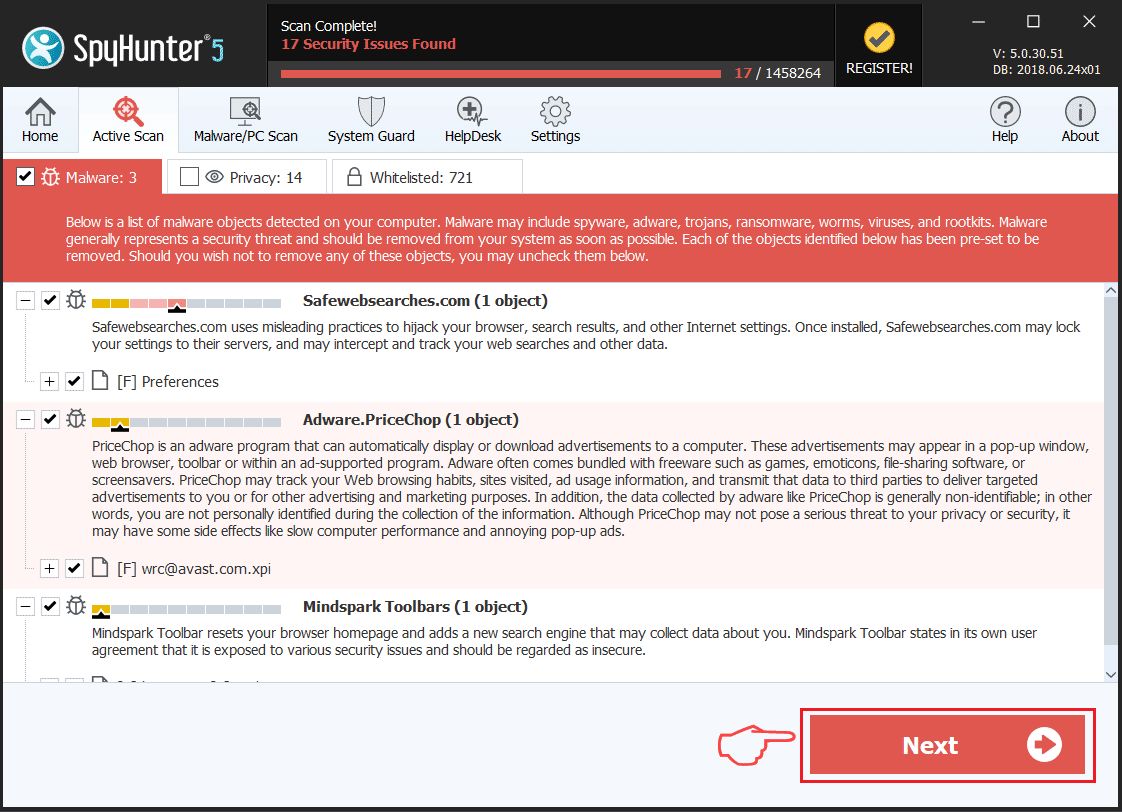
Step 1: Scan for Incremental Test Virus with SpyHunter Anti-Malware Tool
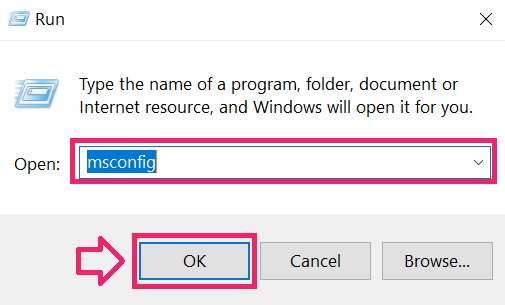
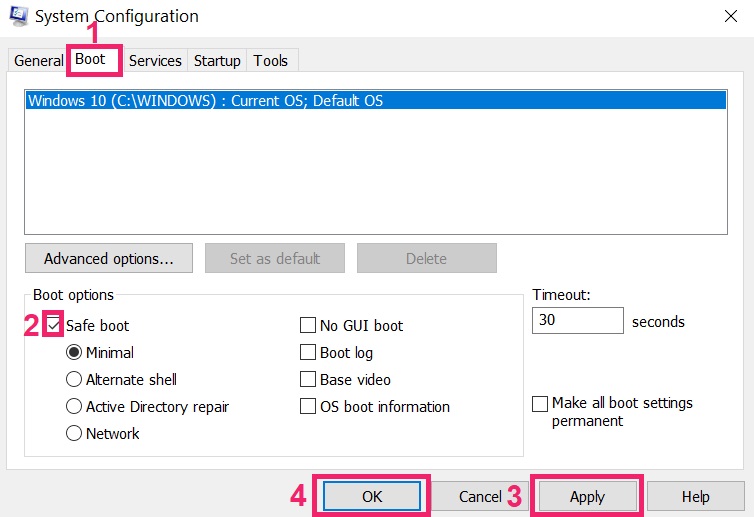
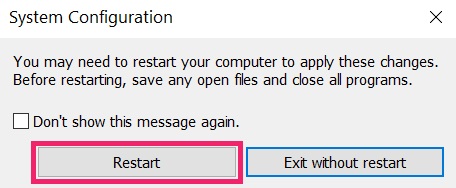
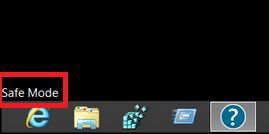
Step 2: Boot Your PC In Safe Mode
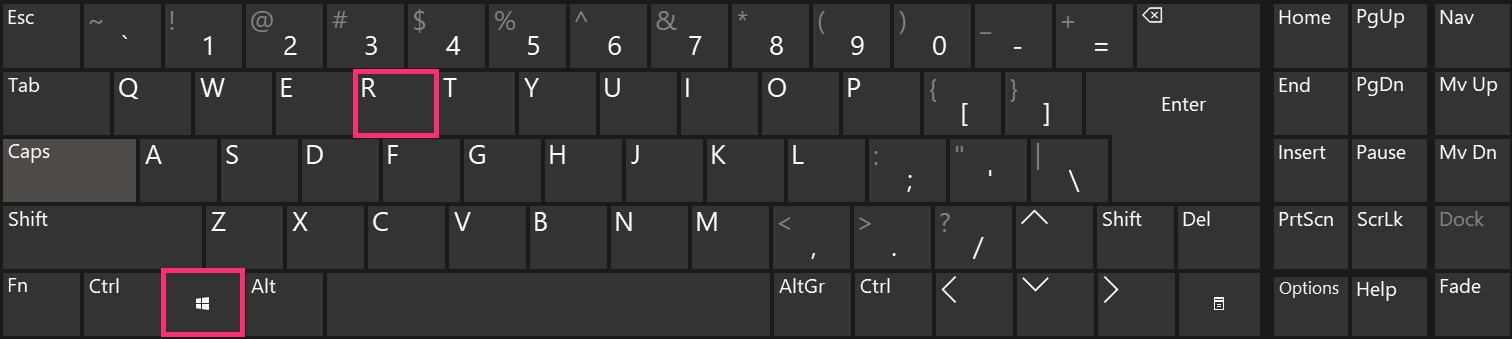
Step 3: Uninstall Incremental Test Virus and related software from Windows
Uninstall Steps for Windows 11
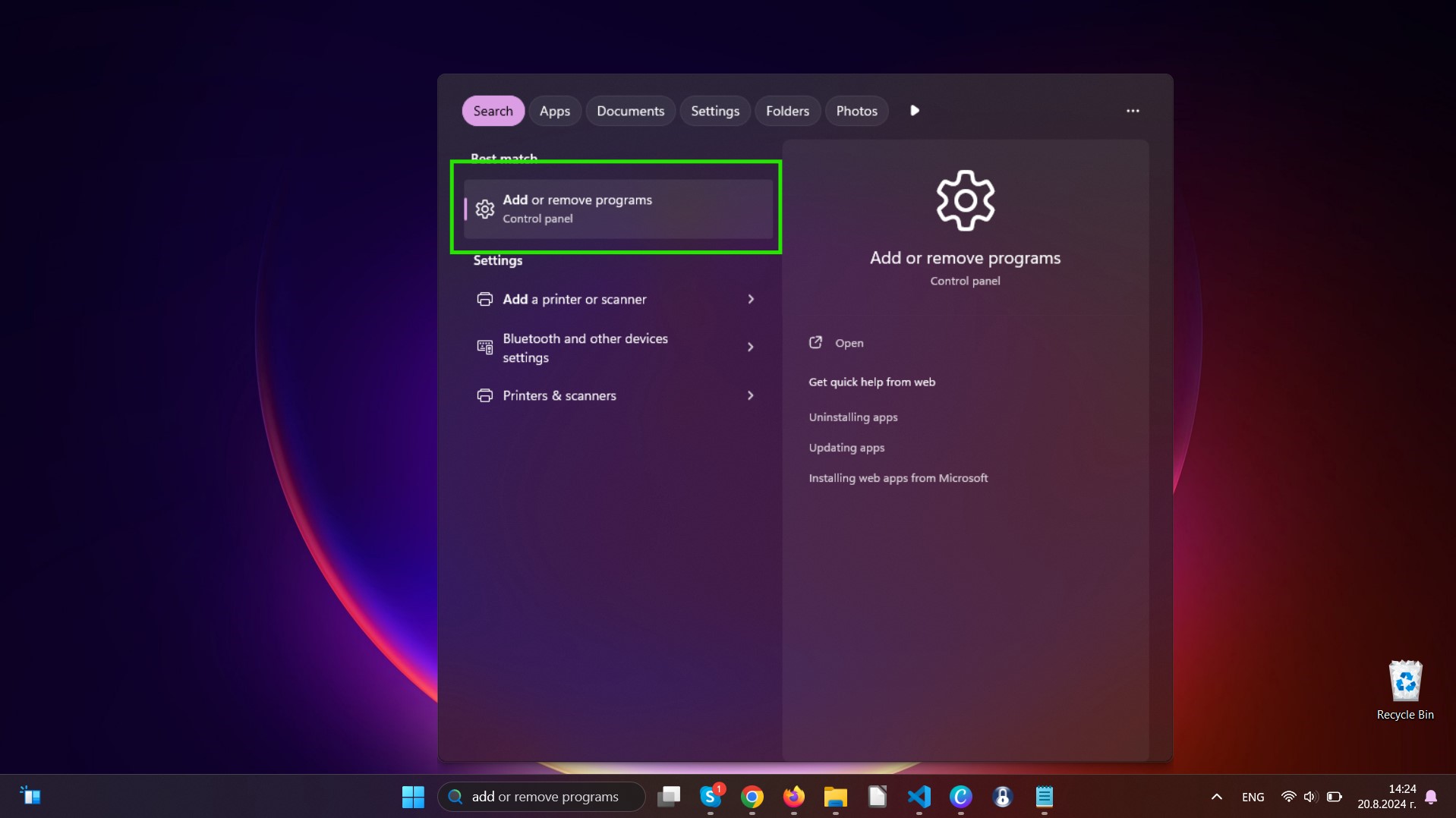
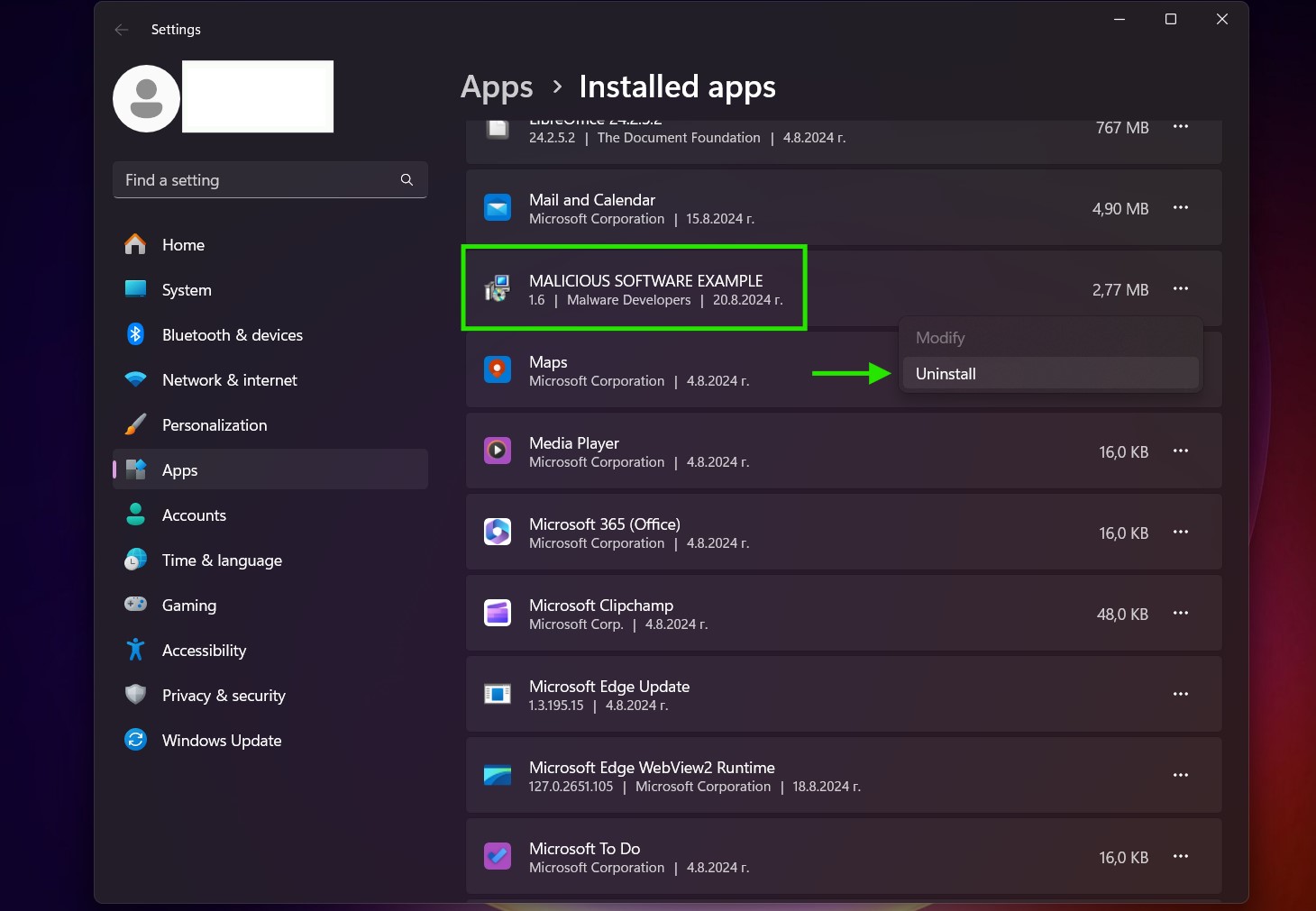
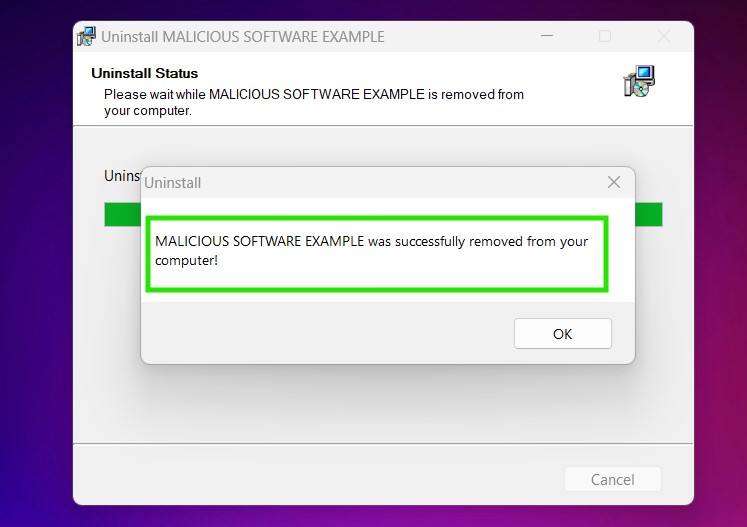
Uninstall Steps for Windows 10 and Older Versions
Here is a method in few easy steps that should be able to uninstall most programs. No matter if you are using Windows 10, 8, 7, Vista or XP, those steps will get the job done. Dragging the program or its folder to the recycle bin can be a very bad decision. If you do that, bits and pieces of the program are left behind, and that can lead to unstable work of your PC, errors with the file type associations and other unpleasant activities. The proper way to get a program off your computer is to Uninstall it. To do that:
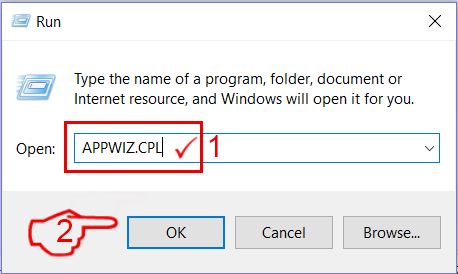
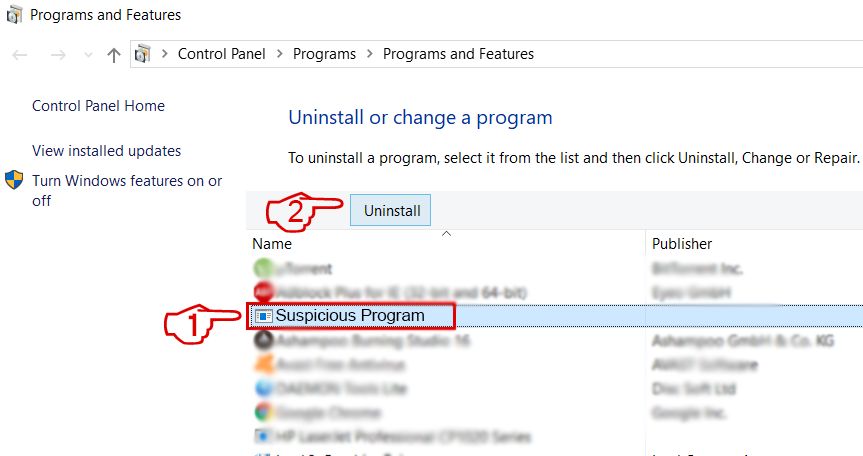 Follow the instructions above and you will successfully uninstall most programs.
Step 4: Clean Any registries, Created by Incremental Test Virus on Your PC.
The usually targeted registries of Windows machines are the following:
- HKEY_LOCAL_MACHINE\Software\Microsoft\Windows\CurrentVersion\Run
- HKEY_CURRENT_USER\Software\Microsoft\Windows\CurrentVersion\Run
- HKEY_LOCAL_MACHINE\Software\Microsoft\Windows\CurrentVersion\RunOnce
- HKEY_CURRENT_USER\Software\Microsoft\Windows\CurrentVersion\RunOnce
You can access them by opening the Windows registry editor and deleting any values, created by Incremental Test Virus there. This can happen by following the steps underneath:
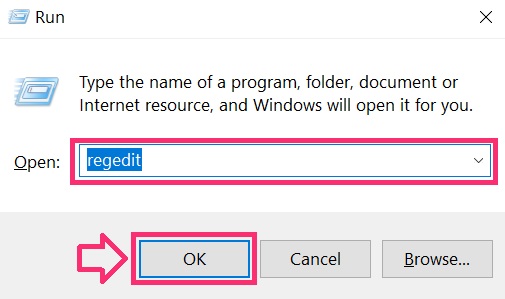
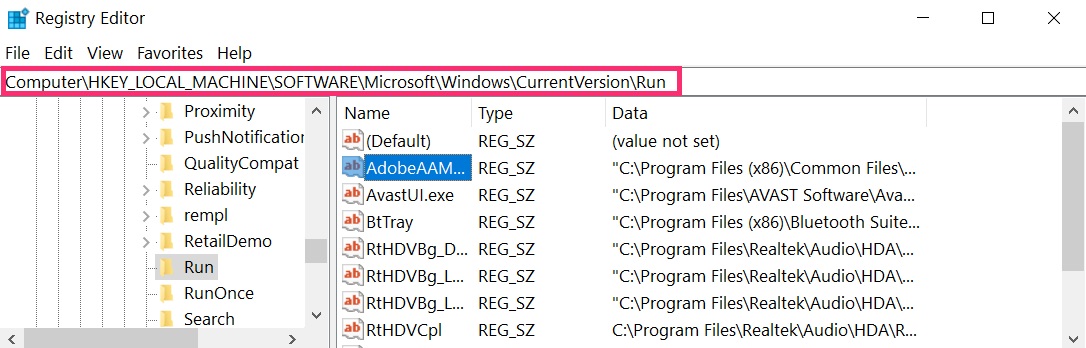
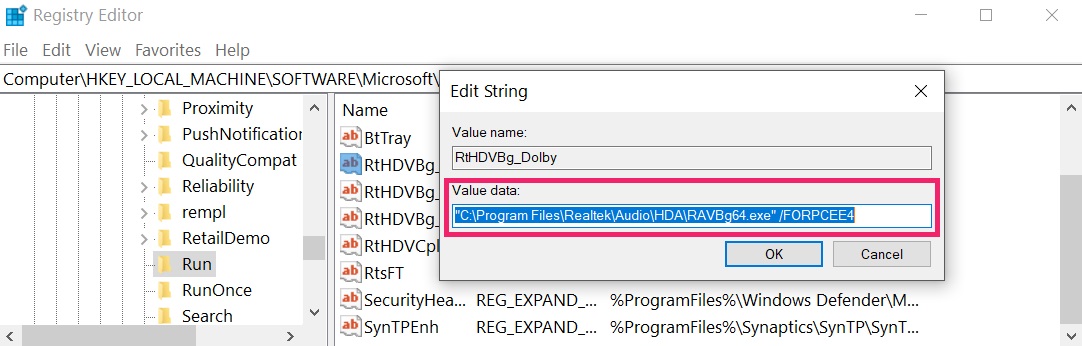 Tip: To find a virus-created value, you can right-click on it and click "Modify" to see which file it is set to run. If this is the virus file location, remove the value.
Video Removal Guide for Incremental Test Virus (Windows).
Get rid of Incremental Test Virus from Mac OS X.
Step 1: Uninstall Incremental Test Virus and remove related files and objects
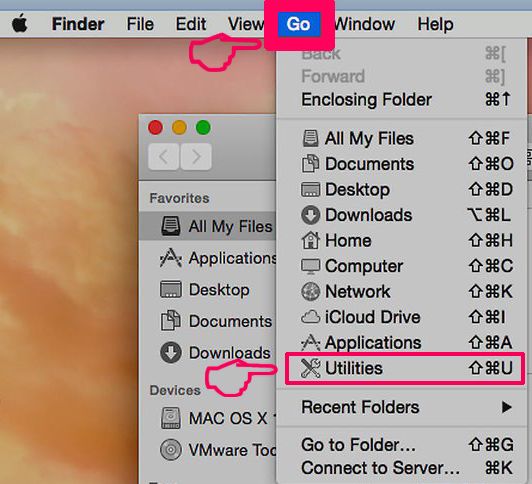
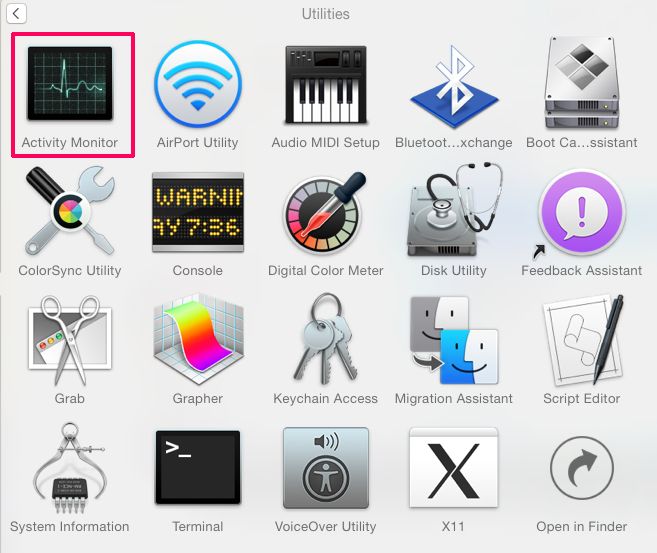
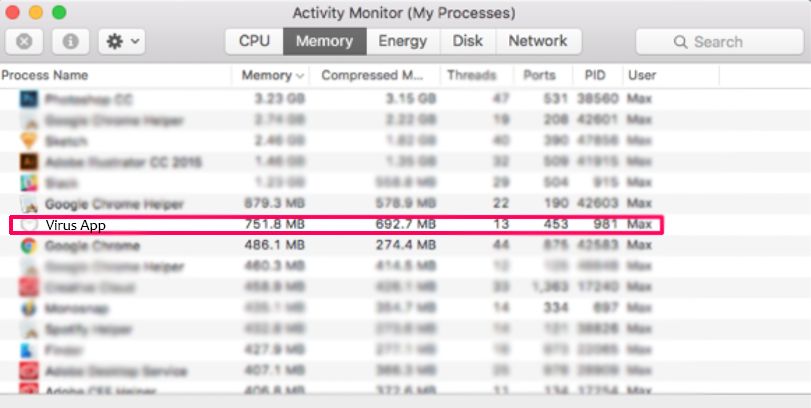
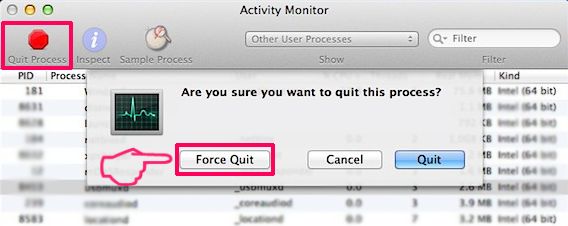
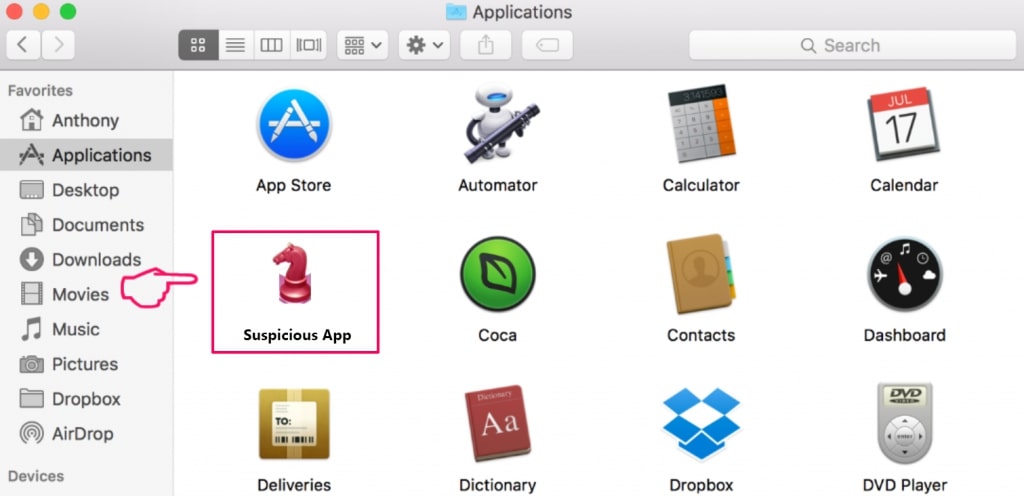
Your Mac will then show you a list of items that start automatically when you log in. Look for any suspicious apps identical or similar to Incremental Test Virus. Check the app you want to stop from running automatically and then select on the Minus (“-“) icon to hide it.
- Go to Finder.
- In the search bar type the name of the app that you want to remove.
- Above the search bar change the two drop down menus to “System Files” and “Are Included” so that you can see all of the files associated with the application you want to remove. Bear in mind that some of the files may not be related to the app so be very careful which files you delete.
- If all of the files are related, hold the ⌘+A buttons to select them and then drive them to “Trash”.
In case you cannot remove Incremental Test Virus via Step 1 above:
In case you cannot find the virus files and objects in your Applications or other places we have shown above, you can manually look for them in the Libraries of your Mac. But before doing this, please read the disclaimer below:
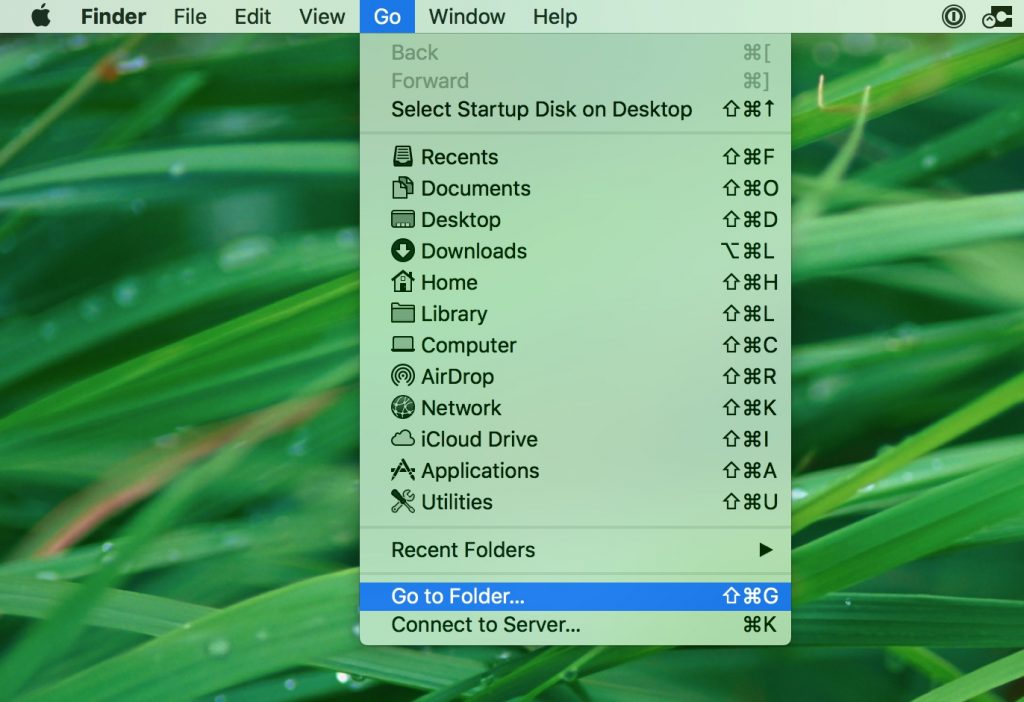
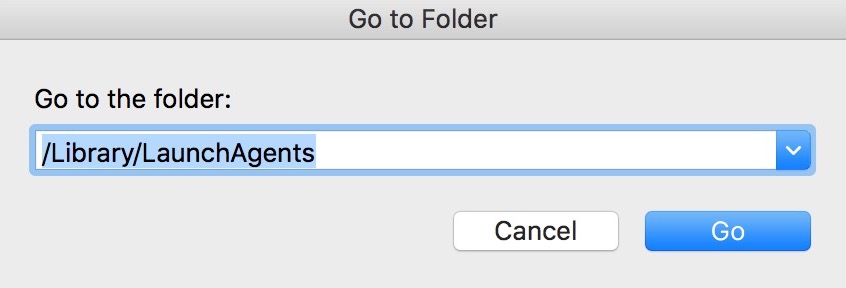
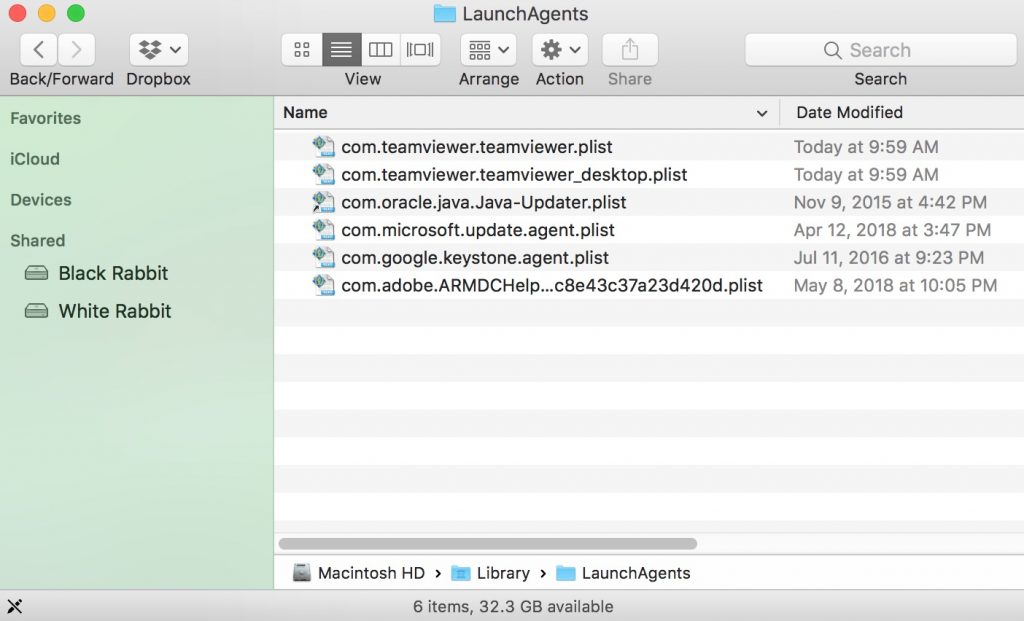
You can repeat the same procedure with the following other Library directories:
→ ~/Library/LaunchAgents
/Library/LaunchDaemons
Tip: ~ is there on purpose, because it leads to more LaunchAgents.
Step 2: Scan for and remove Incremental Test Virus files from your Mac
When you are facing problems on your Mac as a result of unwanted scripts and programs such as Incremental Test Virus, the recommended way of eliminating the threat is by using an anti-malware program. SpyHunter for Mac offers advanced security features along with other modules that will improve your Mac’s security and protect it in the future.
Video Removal Guide for Incremental Test Virus (Mac)
Remove Incremental Test Virus from Google Chrome.
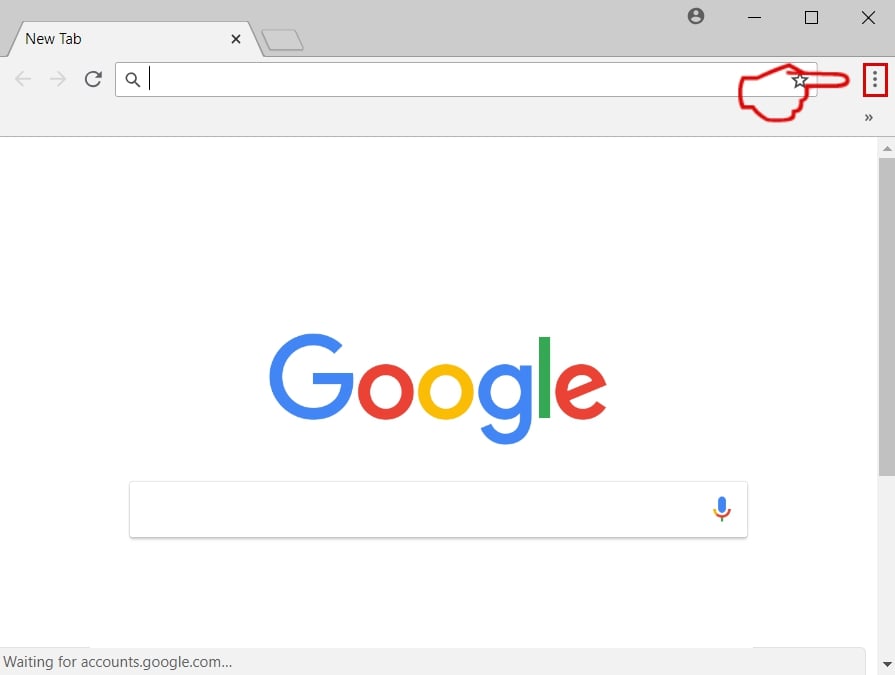
Step 1: Start Google Chrome and open the drop menu
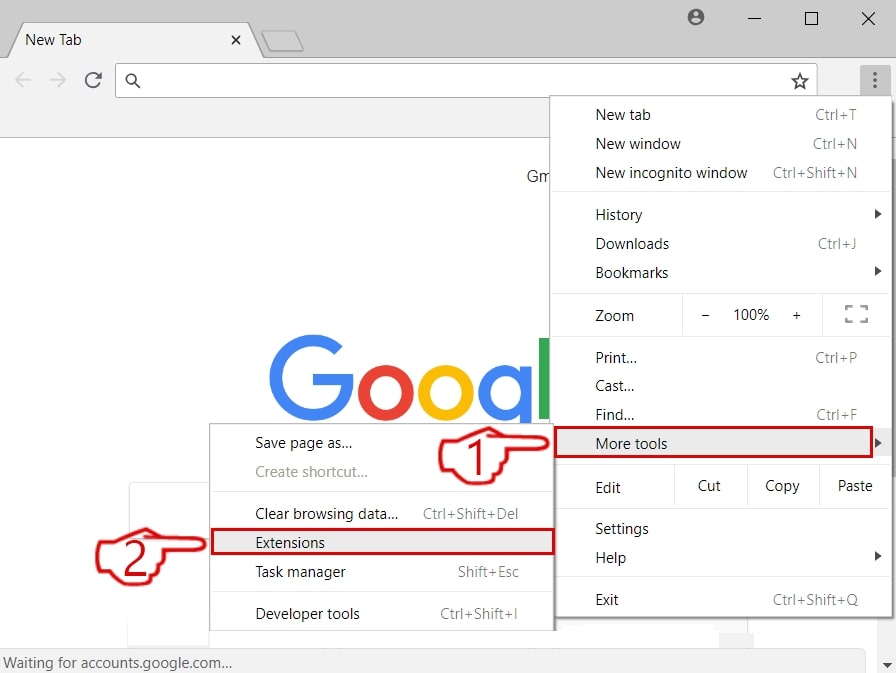
Step 2: Move the cursor over "Tools" and then from the extended menu choose "Extensions"
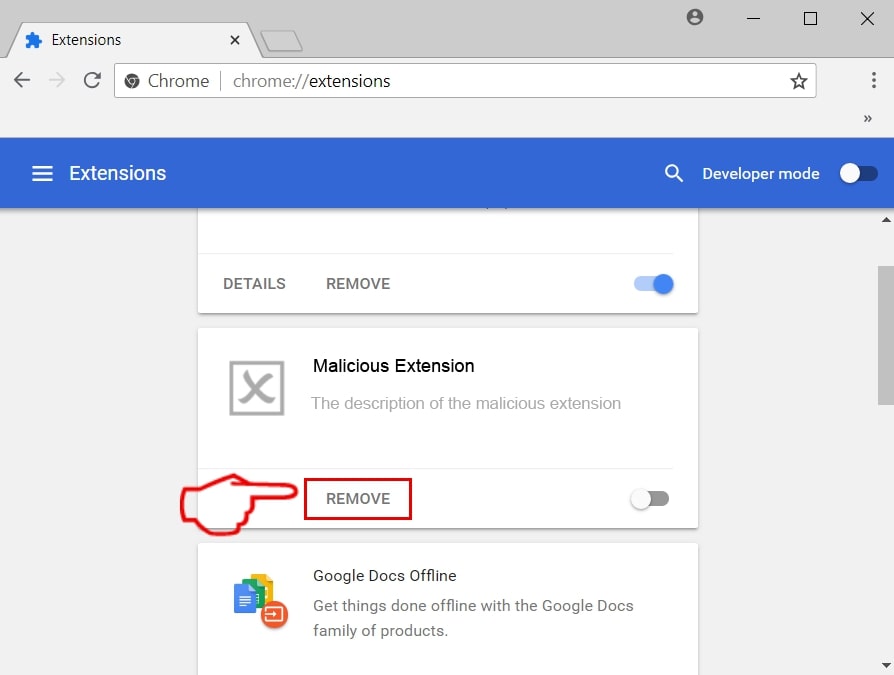
Step 3: From the opened "Extensions" menu locate the unwanted extension and click on its "Remove" button.
Step 4: After the extension is removed, restart Google Chrome by closing it from the red "X" button at the top right corner and start it again.
Erase Incremental Test Virus from Mozilla Firefox.
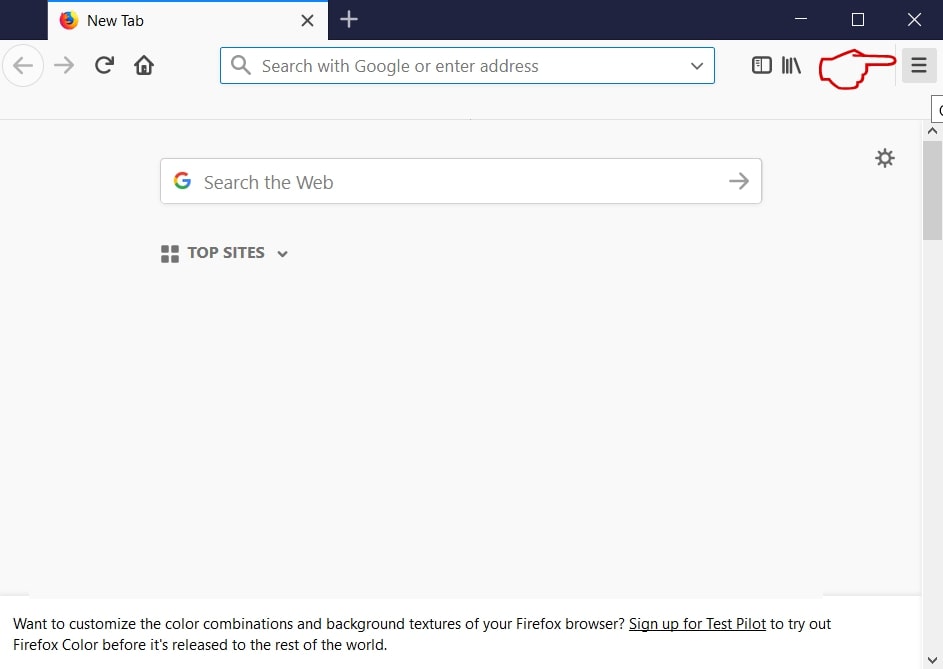
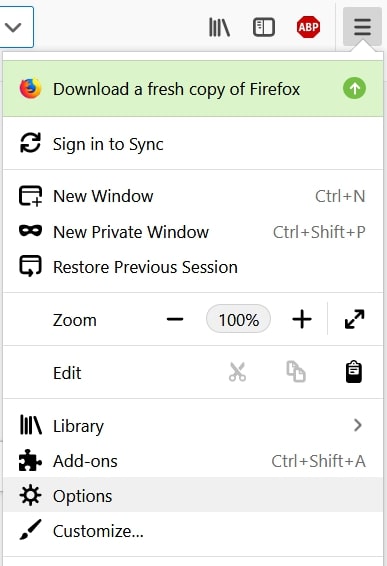
Step 1: Start Mozilla Firefox. Open the menu window:
Step 2: Select the "Add-ons" icon from the menu.
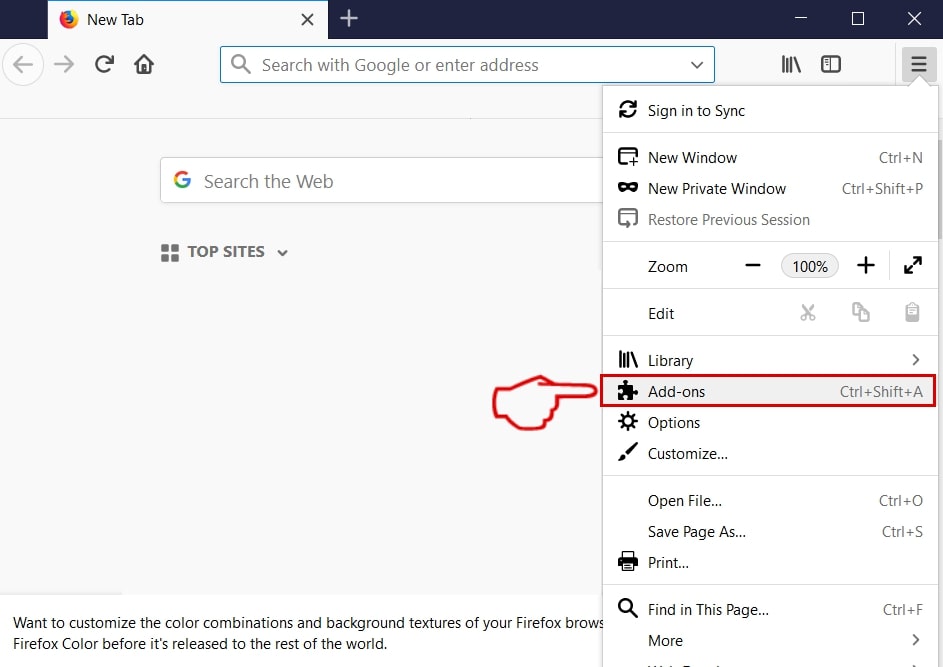
Step 3: Select the unwanted extension and click "Remove"

Step 4: After the extension is removed, restart Mozilla Firefox by closing it from the red "X" button at the top right corner and start it again.
Uninstall Incremental Test Virus from Microsoft Edge.
Step 1: Start Edge browser.
Step 2: Open the drop menu by clicking on the icon at the top right corner.
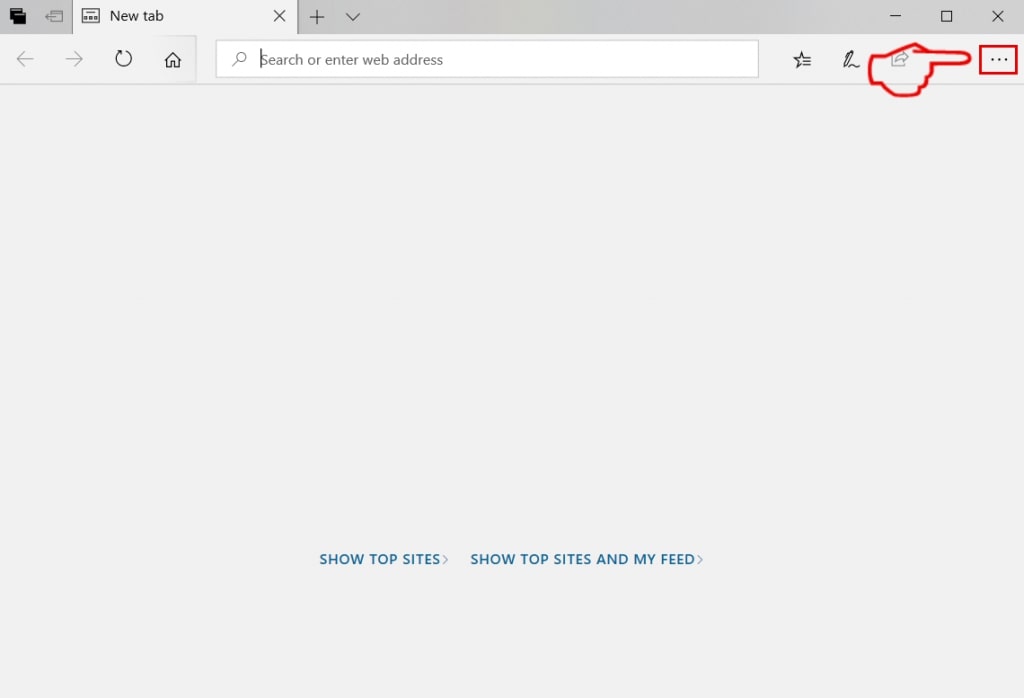
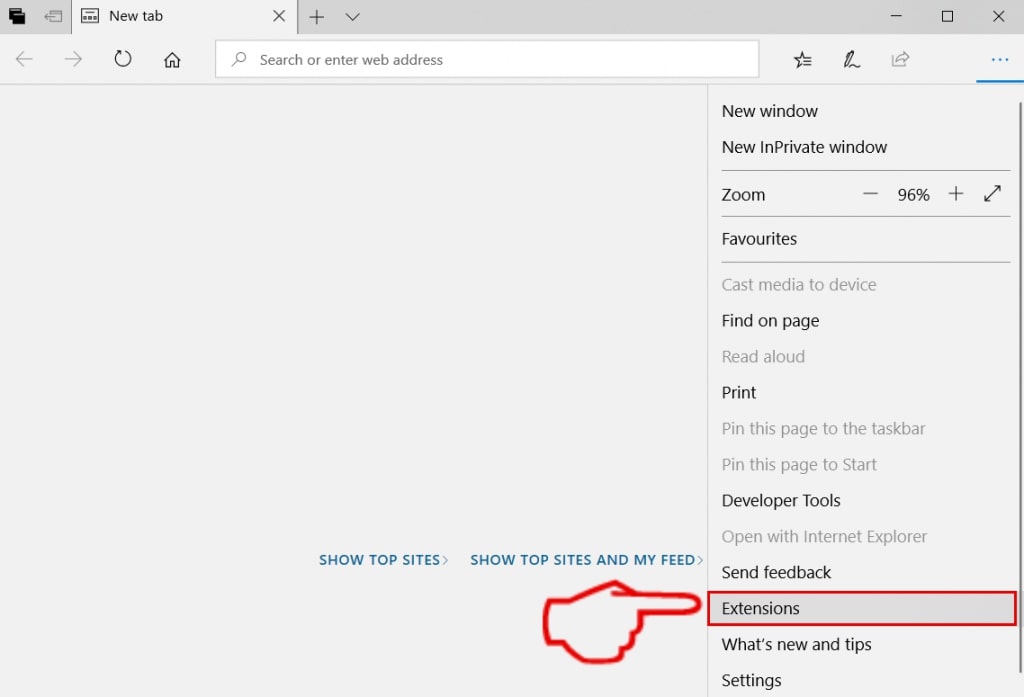
Step 3: From the drop menu select "Extensions".
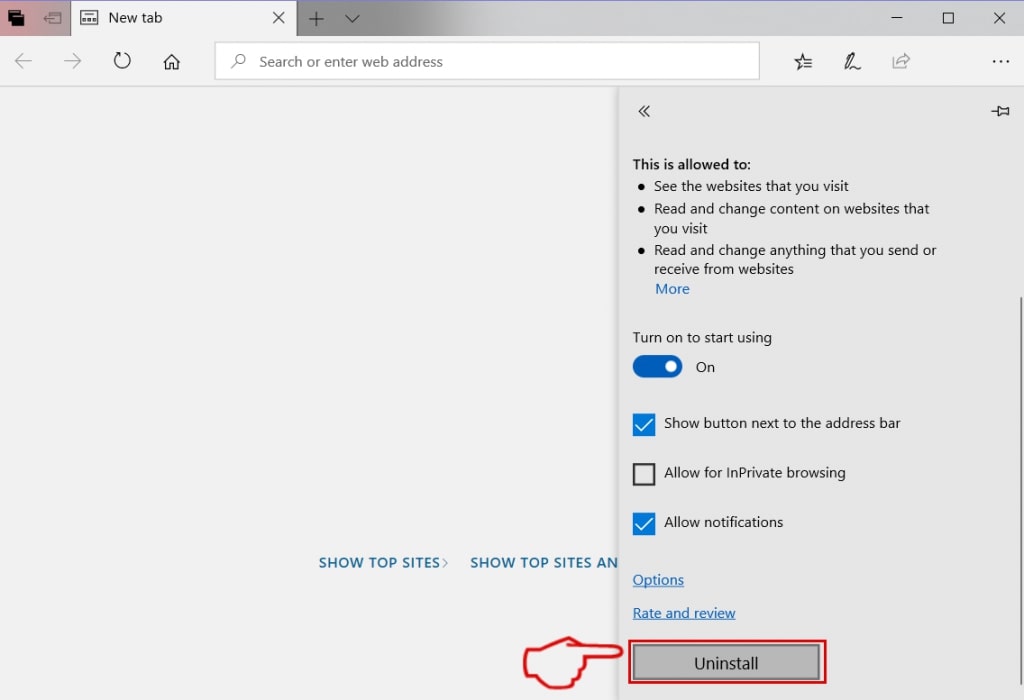
Step 4: Choose the suspected malicious extension you want to remove and then click on the gear icon.
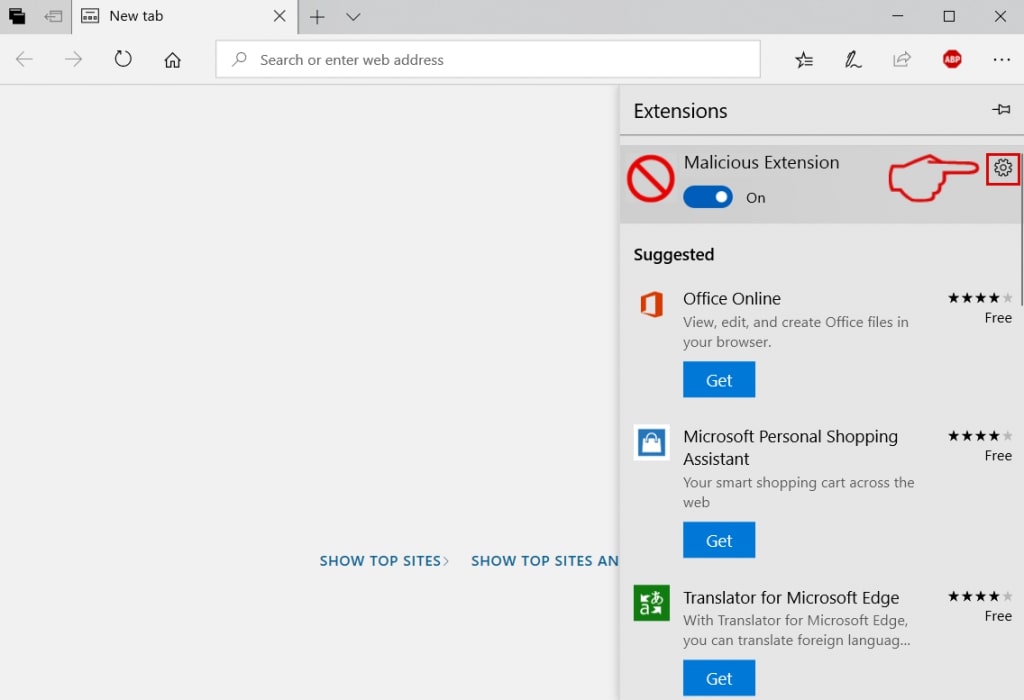
Step 5: Remove the malicious extension by scrolling down and then clicking on Uninstall.
Remove Incremental Test Virus from Safari
Step 1: Start the Safari app.
Step 2: After hovering your mouse cursor to the top of the screen, click on the Safari text to open its drop down menu.
Step 3: From the menu, click on "Preferences".

Step 4: After that, select the 'Extensions' Tab.

Step 5: Click once on the extension you want to remove.
Step 6: Click 'Uninstall'.
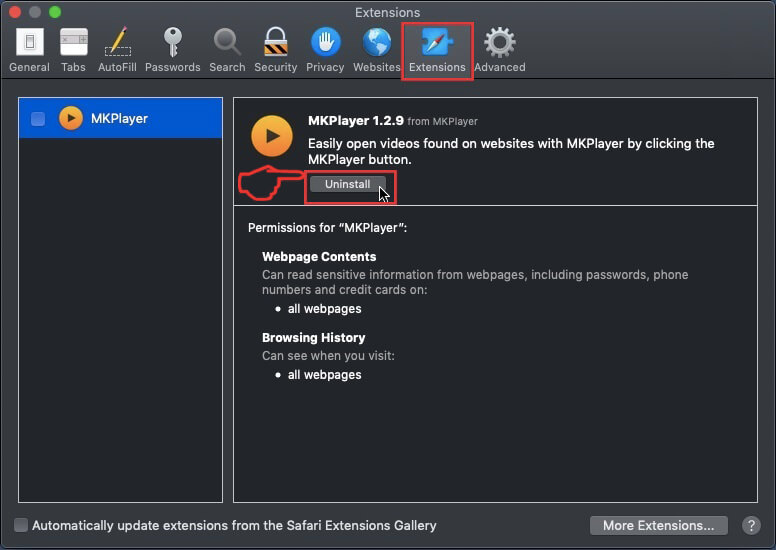
A pop-up window will appear asking for confirmation to uninstall the extension. Select 'Uninstall' again, and the Incremental Test Virus will be removed.
Eliminate Incremental Test Virus from Internet Explorer.
Step 1: Start Internet Explorer.
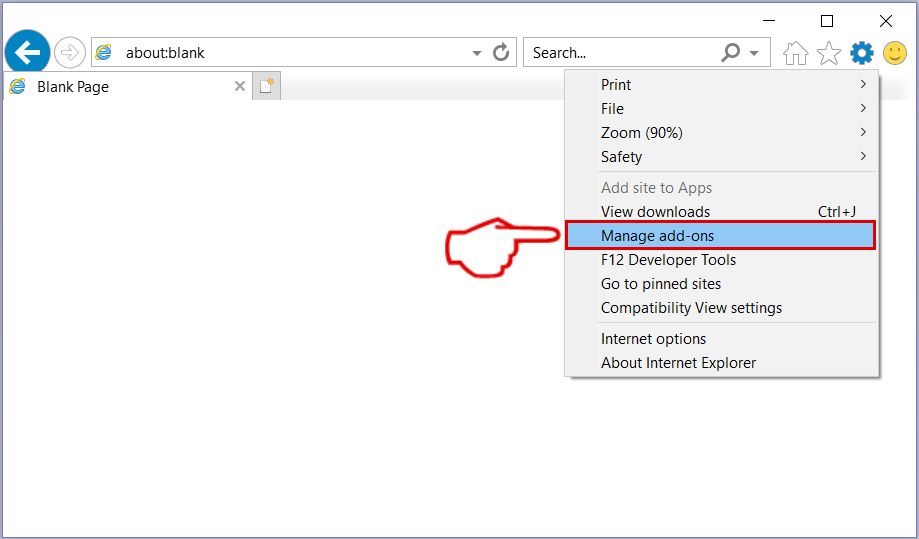
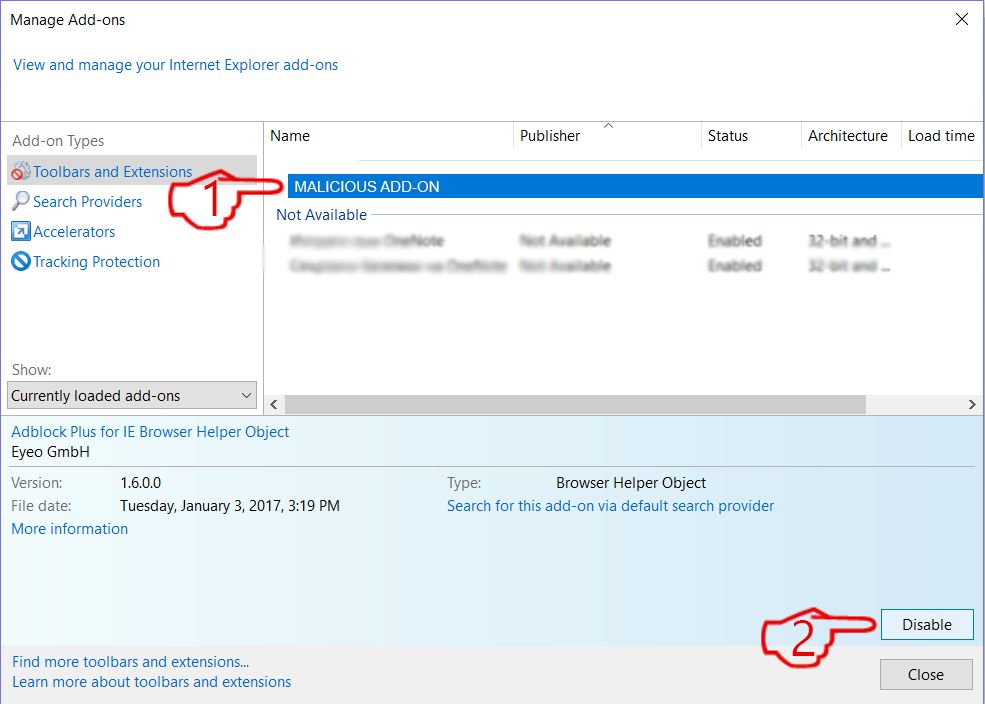
Step 2: Click on the gear icon labeled 'Tools' to open the drop menu and select 'Manage Add-ons'
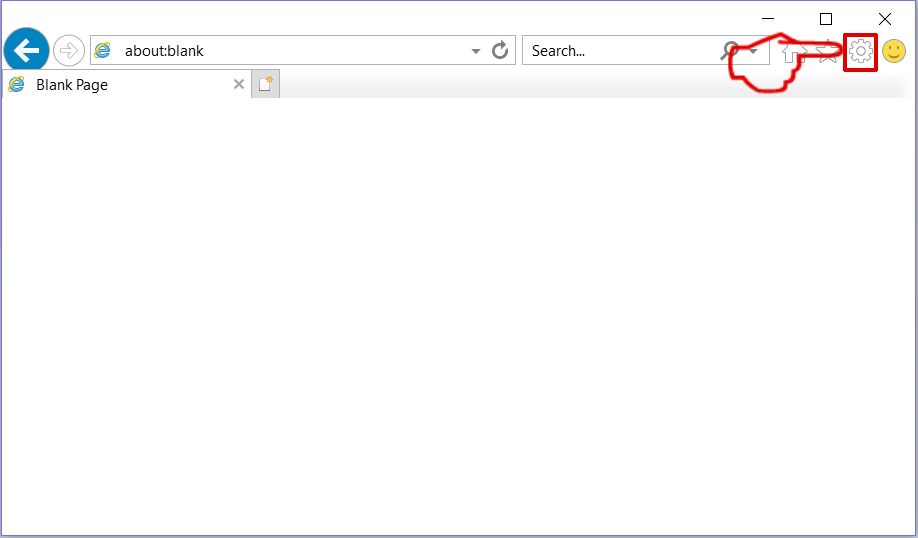
Step 3: In the 'Manage Add-ons' window.
Step 4: Select the extension you want to remove and then click 'Disable'. A pop-up window will appear to inform you that you are about to disable the selected extension, and some more add-ons might be disabled as well. Leave all the boxes checked, and click 'Disable'.
Step 5: After the unwanted extension has been removed, restart Internet Explorer by closing it from the red 'X' button located at the top right corner and start it again.
Remove Push Notifications from Your Browsers
Turn Off Push Notifications from Google Chrome
To disable any Push Notices from Google Chrome browser, please follow the steps below:
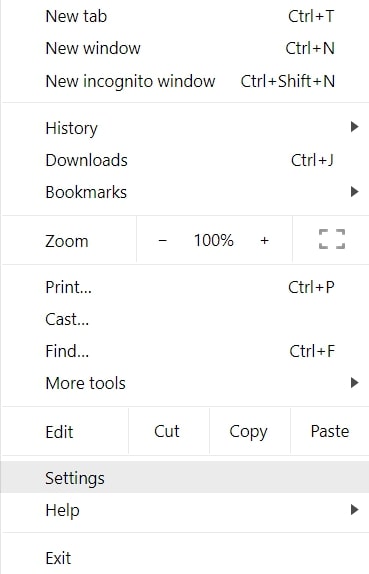
Step 1: Go to Settings in Chrome.
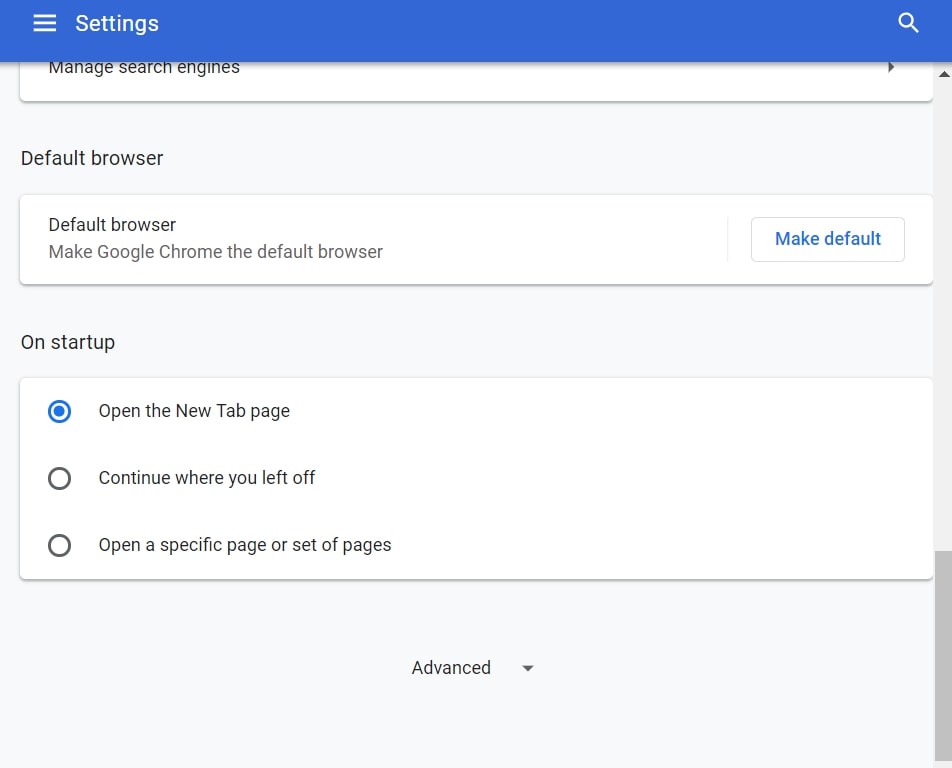
Step 2: In Settings, select “Advanced Settings”:
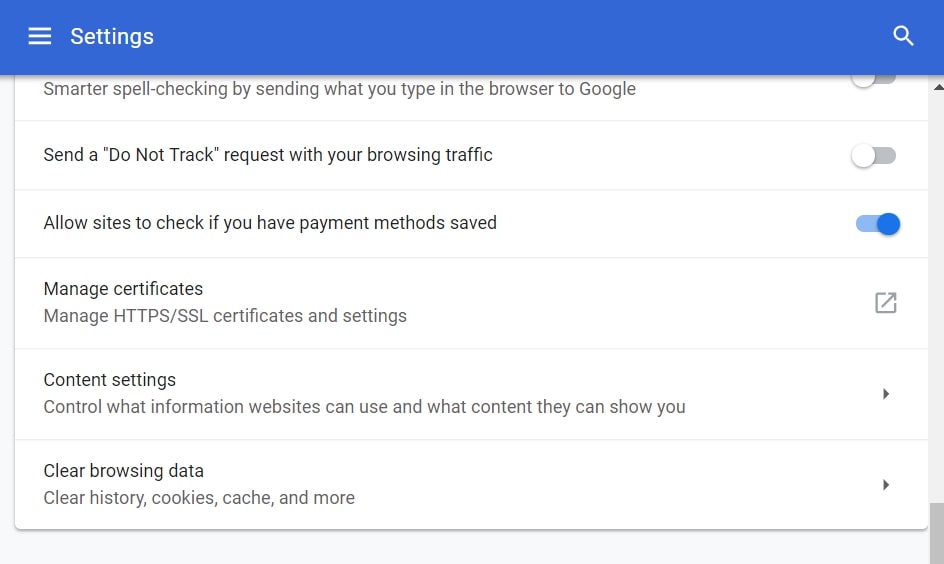
Step 3: Click “Content Settings”:
Step 4: Open “Notifications”:
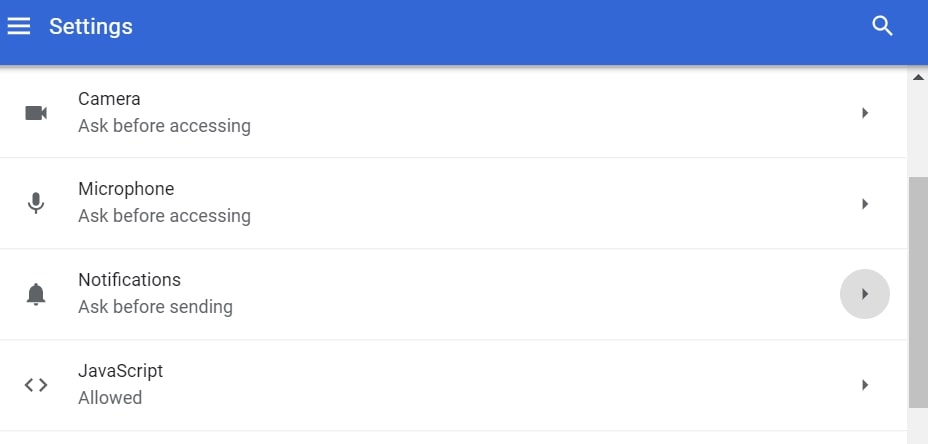
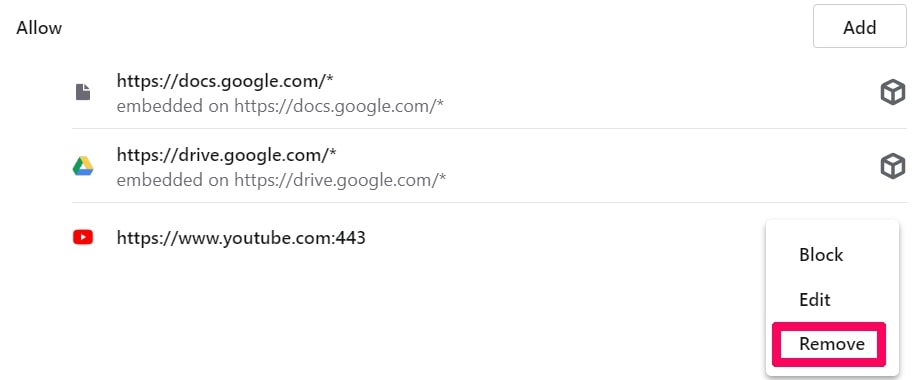
Step 5: Click the three dots and choose Block, Edit or Remove options:

Remove Push Notifications on Firefox
Step 1: Go to Firefox Options.
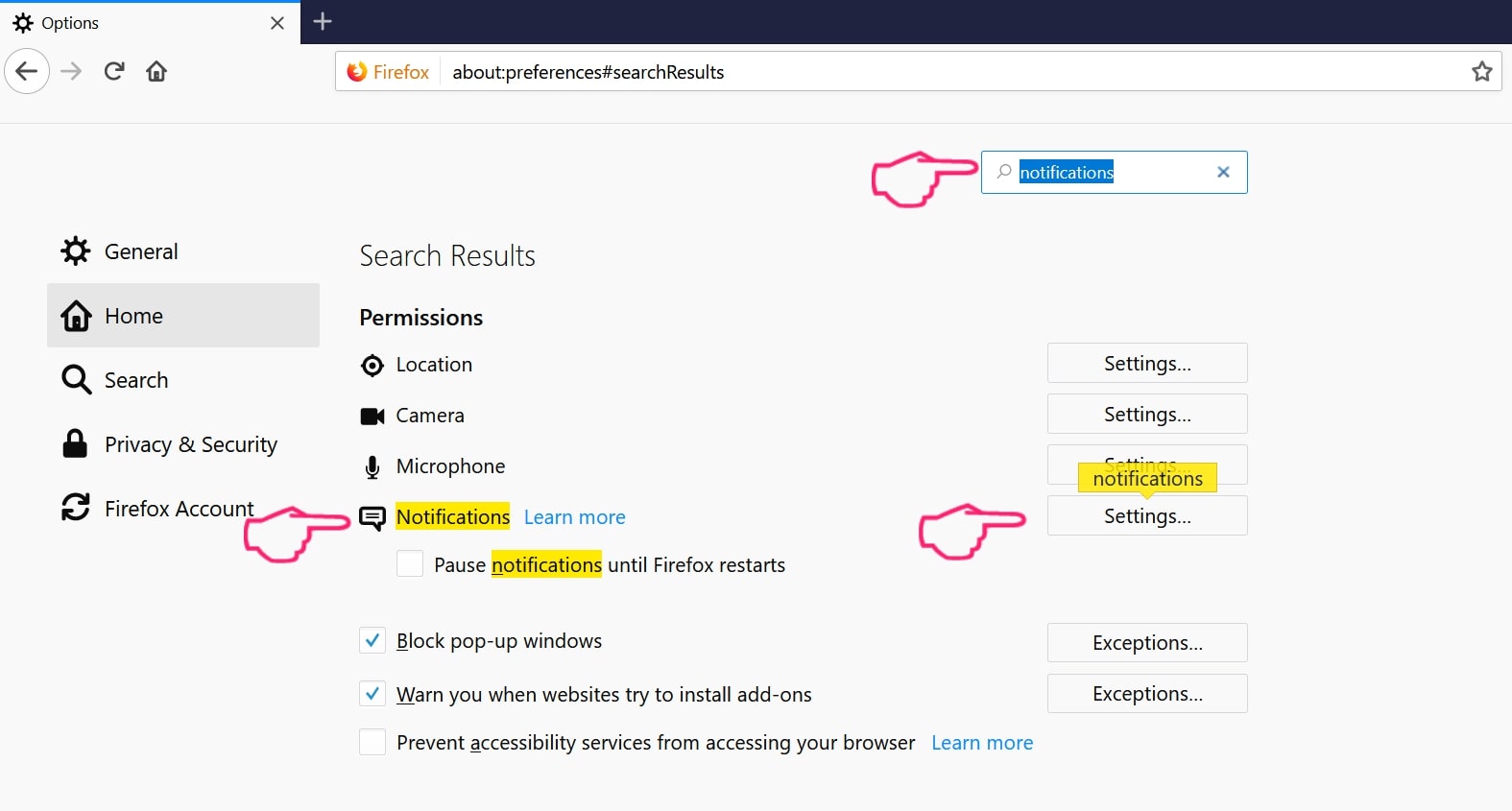
Step 2: Go to “Settings”, type “notifications” in the search bar and click "Settings":
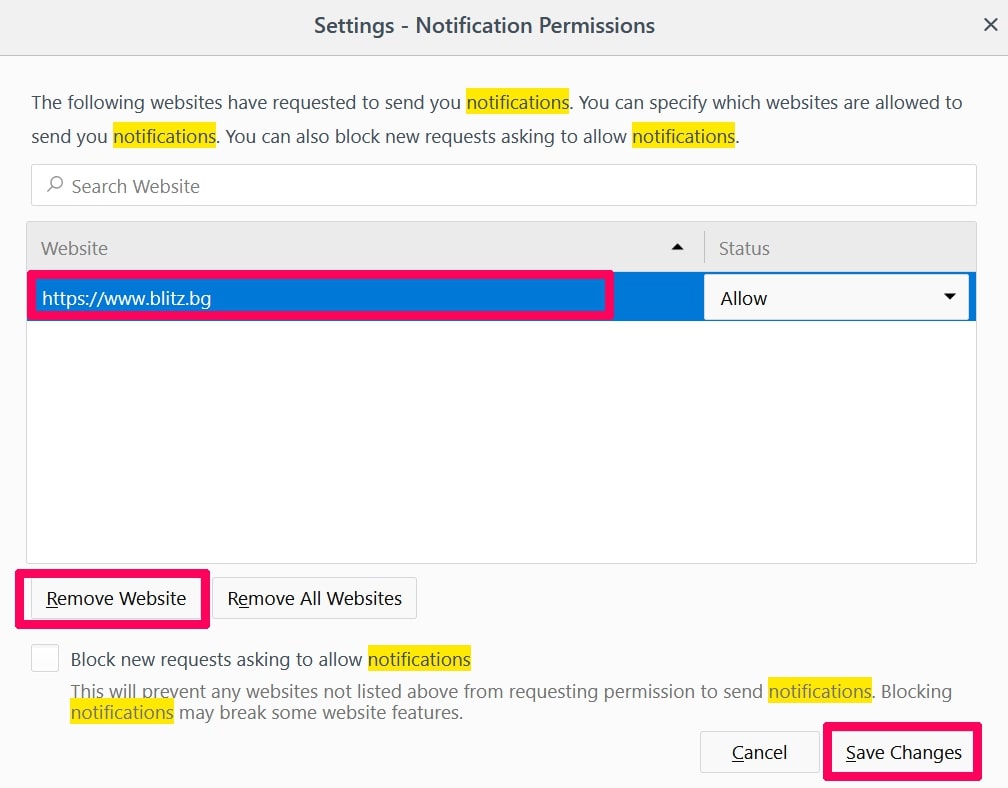
Step 3: Click “Remove” on any site you wish notifications gone and click “Save Changes”
Stop Push Notifications on Opera
Step 1: In Opera, press ALT+P to go to Settings.
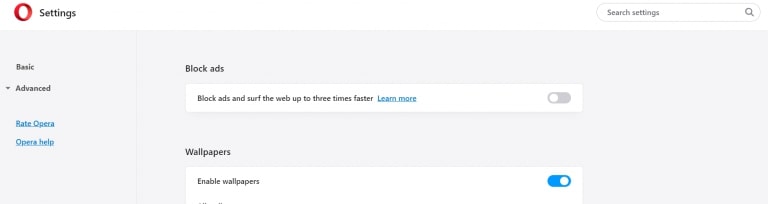
Step 2: In Setting search, type “Content” to go to Content Settings.
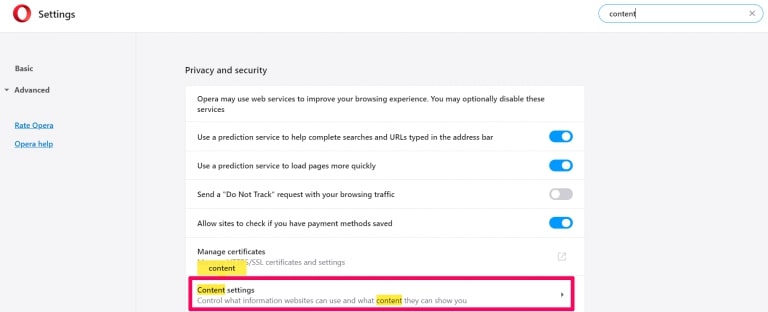
Step 3: Open Notifications:
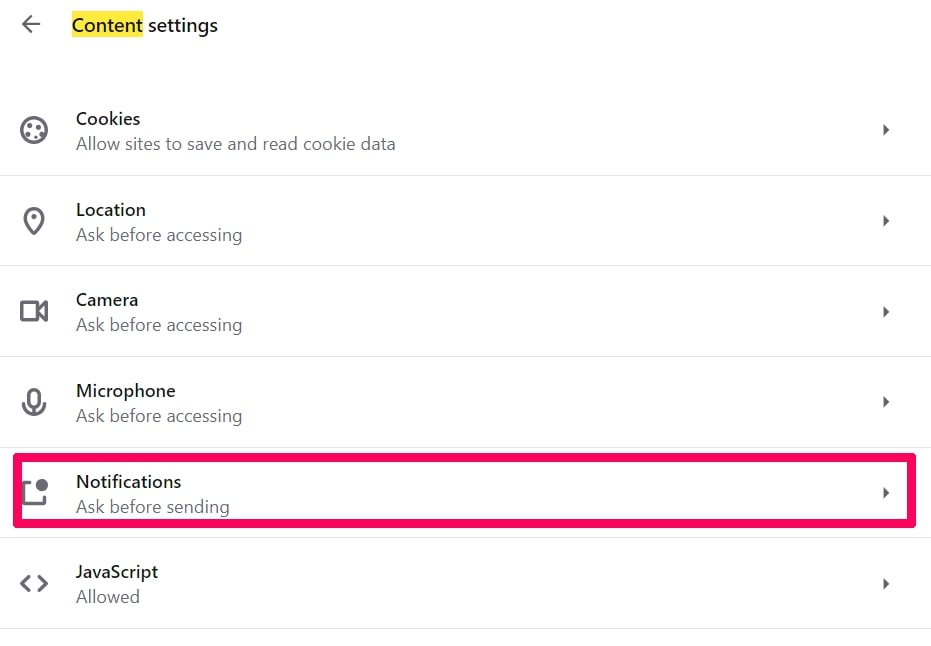
Step 4: Do the same as you did with Google Chrome (explained below):
Eliminate Push Notifications on Safari
Step 1: Open Safari Preferences.
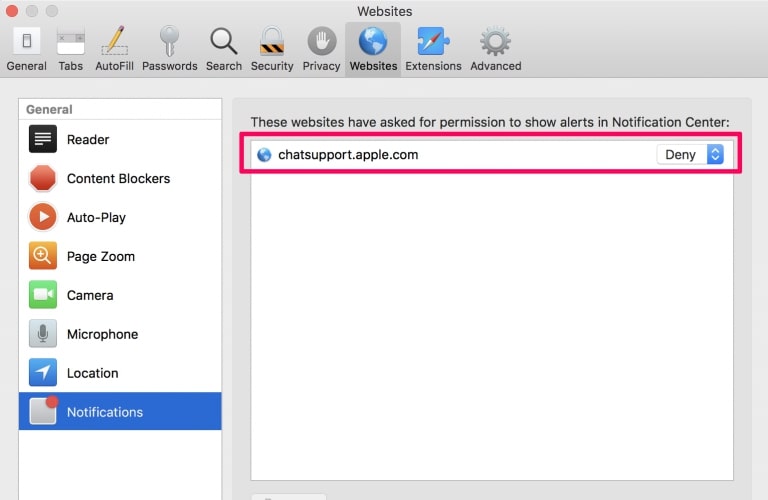
Step 2: Choose the domain from where you like push pop-ups gone and change to "Deny" from "Allow".
Incremental Test Virus-FAQ
What Is Incremental Test Virus?
The Incremental Test Virus threat is adware or browser redirect virus.
It may slow your computer down significantly and display advertisements. The main idea is for your information to likely get stolen or more ads to appear on your device.
The creators of such unwanted apps work with pay-per-click schemes to get your computer to visit risky or different types of websites that may generate them funds. This is why they do not even care what types of websites show up on the ads. This makes their unwanted software indirectly risky for your OS.
What Are the Symptoms of Incremental Test Virus?
There are several symptoms to look for when this particular threat and also unwanted apps in general are active:
Symptom #1: Your computer may become slow and have poor performance in general.
Symptom #2: You have toolbars, add-ons or extensions on your web browsers that you don't remember adding.
Symptom #3: You see all types of ads, like ad-supported search results, pop-ups and redirects to randomly appear.
Symptom #4: You see installed apps on your Mac running automatically and you do not remember installing them.
Symptom #5: You see suspicious processes running in your Task Manager.
If you see one or more of those symptoms, then security experts recommend that you check your computer for viruses.
What Types of Unwanted Programs Are There?
According to most malware researchers and cyber-security experts, the threats that can currently affect your device can be rogue antivirus software, adware, browser hijackers, clickers, fake optimizers and any forms of PUPs.
What to Do If I Have a "virus" like Incremental Test Virus?
With few simple actions. First and foremost, it is imperative that you follow these steps:
Step 1: Find a safe computer and connect it to another network, not the one that your Mac was infected in.
Step 2: Change all of your passwords, starting from your email passwords.
Step 3: Enable two-factor authentication for protection of your important accounts.
Step 4: Call your bank to change your credit card details (secret code, etc.) if you have saved your credit card for online shopping or have done online activities with your card.
Step 5: Make sure to call your ISP (Internet provider or carrier) and ask them to change your IP address.
Step 6: Change your Wi-Fi password.
Step 7: (Optional): Make sure to scan all of the devices connected to your network for viruses and repeat these steps for them if they are affected.
Step 8: Install anti-malware software with real-time protection on every device you have.
Step 9: Try not to download software from sites you know nothing about and stay away from low-reputation websites in general.
If you follow these recommendations, your network and all devices will become significantly more secure against any threats or information invasive software and be virus free and protected in the future too.
How Does Incremental Test Virus Work?
Once installed, Incremental Test Virus can collect data using trackers. This data is about your web browsing habits, such as the websites you visit and the search terms you use. It is then used to target you with ads or to sell your information to third parties.
Incremental Test Virus can also download other malicious software onto your computer, such as viruses and spyware, which can be used to steal your personal information and show risky ads, that may redirect to virus sites or scams.
Is Incremental Test Virus Malware?
The truth is that PUPs (adware, browser hijackers) are not viruses, but may be just as dangerous since they may show you and redirect you to malware websites and scam pages.
Many security experts classify potentially unwanted programs as malware. This is because of the unwanted effects that PUPs can cause, such as displaying intrusive ads and collecting user data without the user’s knowledge or consent.
About the Incremental Test Virus Research
The content we publish on SensorsTechForum.com, this Incremental Test Virus how-to removal guide included, is the outcome of extensive research, hard work and our team’s devotion to help you remove the specific, adware-related problem, and restore your browser and computer system.
How did we conduct the research on Incremental Test Virus?
Please note that our research is based on independent investigation. We are in contact with independent security researchers, thanks to which we receive daily updates on the latest malware, adware, and browser hijacker definitions.
Furthermore, the research behind the Incremental Test Virus threat is backed with VirusTotal.
To better understand this online threat, please refer to the following articles which provide knowledgeable details.