

Contebrew Virus is a dangerous Trojan horse infection that can infiltrate your computer silently and compromise your personal data. If you suspect unusual system behavior, unauthorized access to files, or missing credentials, your device may already be at risk. Read this article to find out what the Contebrew Virus is, how it infects systems, what malicious activities it performs, and how you can remove it effectively to secure your computer.
What is Contebrew Virus?
Contebrew Virus is a sophisticated Trojan infection designed to operate stealthily in the background of infected systems. Unlike ransomware or overt adware threats, this malware focuses on remaining undetected while performing harmful activities. Once inside a device, it may establish persistence mechanisms that allow it to execute automatically every time the system starts.
As a Trojan, Contebrew disguises itself as legitimate software or hides within seemingly harmless files. Victims often have no visible indication that their systems are compromised. The primary objective of this malware appears to be unauthorized data access, credential theft, and full read and write permissions on affected machines.
Trojan threats like Contebrew are particularly dangerous because they may act as backdoors. This means cybercriminals can remotely control the infected device, deploy additional malware, or extract sensitive data without the user’s knowledge. The infection may target both individual users and business environments, increasing the overall security risk.

Contebrew Details
| Type | Trojan, Malware, Backdoor |
| Removal Time | Around 5 Minutes |
| Removal Tool |
See If Your System Has Been Affected by malware
Download
Malware Removal Tool
|
How Did I Get It?
Contebrew Virus typically spreads through deceptive and malicious distribution techniques. Attackers rely on social engineering and exploit-based delivery methods to trick users into executing the Trojan payload.
Common infection vectors include:
- Malicious email attachments disguised as invoices, documents, or delivery notices.
- phishing links that download infected files automatically.
- Cracked or pirated software installers bundled with hidden malware.
- Fake software updates and malicious advertisements.
- Drive-by downloads from compromised websites.
In many cases, the Trojan may be embedded within executable files that appear legitimate. Users who disable security warnings or bypass protective prompts are especially vulnerable. Additionally, outdated operating systems and unpatched software vulnerabilities can provide an entry point for attackers to deploy Contebrew Virus without requiring direct user interaction.
Corporate networks may also become infected through exposed Remote Desktop Protocol (RDP) services or weak administrator credentials. Once attackers gain access to a single endpoint, they can propagate the infection laterally across the network.
What Does It Do?
Once executed, Contebrew Virus can perform a wide range of malicious activities. Its primary capability involves obtaining unauthorized read and write permissions, allowing it to access, modify, and exfiltrate sensitive data.
The Trojan may steal:
- Saved browser passwords and login credentials.
- Financial information and banking details.
- Personal documents and confidential business files.
- Email account credentials and messaging data.
- Cryptocurrency wallet information.
In addition to credential theft, Contebrew Virus may create hidden administrative accounts, modify system registry entries, and inject malicious processes into legitimate Windows services. These actions enable the malware to maintain persistence and avoid detection by basic security tools.
Another serious concern is remote command execution. Attackers may use the Trojan to issue commands that download additional payloads, including ransomware, spyware, keyloggers, or cryptominers. This multi-stage infection capability makes Contebrew particularly dangerous, as the initial compromise can quickly escalate into a full system takeover.
The malware may also disable security software, manipulate firewall rules, or block access to cybersecurity-related websites. By weakening system defenses, it increases the likelihood of long-term exploitation. In some cases, infected devices may become part of a botnet, used to conduct distributed denial-of-service (DDoS) attacks or distribute spam campaigns.
Performance degradation is another possible symptom. Users may notice increased CPU usage, unusual outbound network traffic, unknown background processes, or unexplained system crashes. However, advanced variants of Trojan malware are engineered to minimize visible impact, making detection challenging without specialized tools.
How to Remove It
Removing Contebrew Virus requires immediate and comprehensive action. Since this Trojan may have established deep system-level persistence and unauthorized permissions, simple file deletion is not sufficient.
Start by disconnecting the infected computer from the internet to prevent further data exfiltration or remote access. Carefully review running processes and installed programs for suspicious entries. However, manual identification of Trojan components can be extremely difficult due to obfuscation techniques.
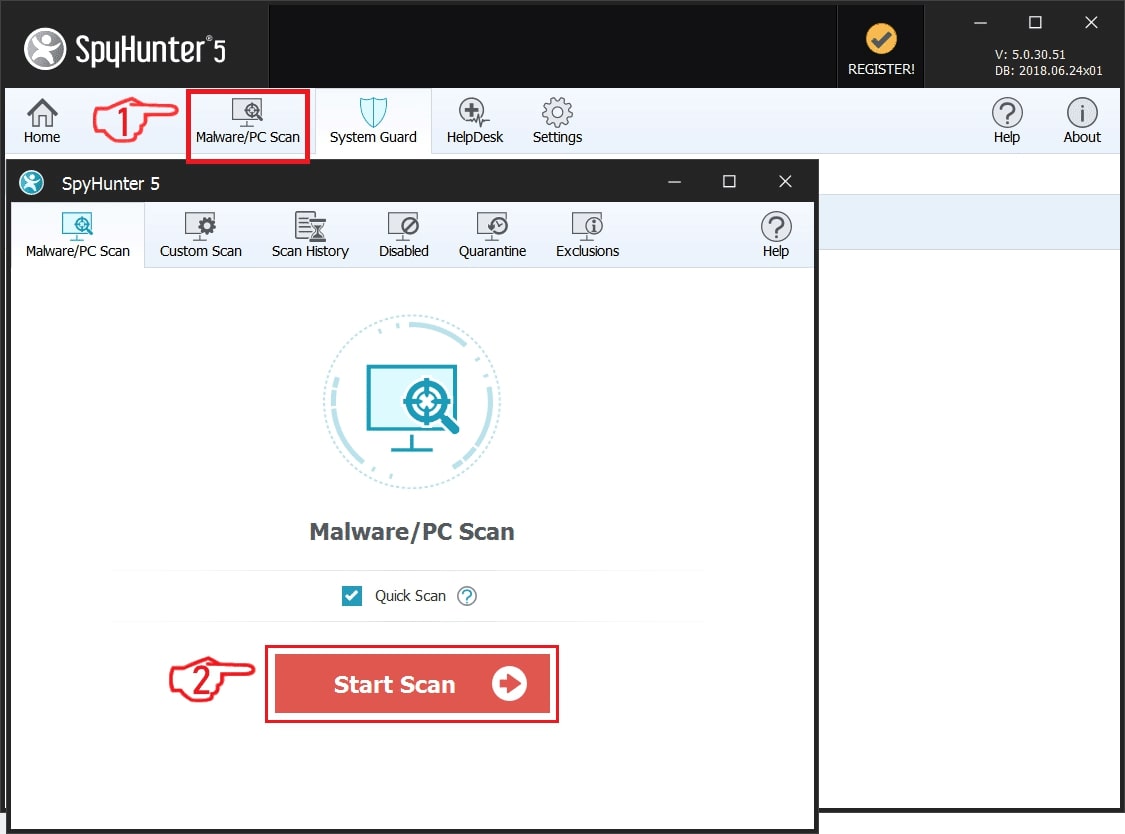
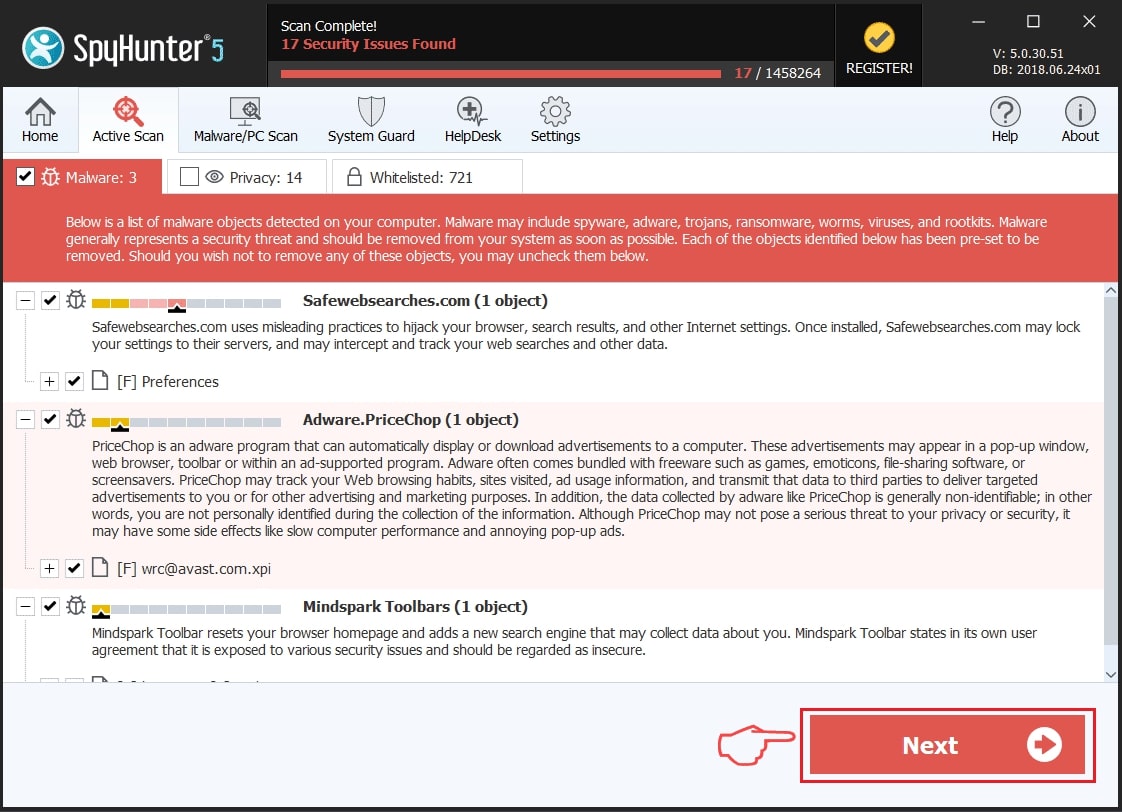
A full system scan with a reputable and advanced anti-malware solution is strongly recommended. Professional-grade security software can detect hidden payloads, malicious registry entries, scheduled tasks, and backdoor components associated with Contebrew Virus. Ensure that your security definitions are fully updated before performing the scan.
After removal, it is critical to change all compromised passwords immediately. This includes email accounts, online banking credentials, corporate logins, and social media profiles. If the infection affected a business network, consider conducting a comprehensive security audit to verify that no lateral movement or secondary payloads remain active.
Finally, strengthen your system defenses by applying the latest operating system updates, enabling real-time protection, and using multi-factor authentication where possible. Regular backups stored offline can also mitigate potential future damage from advanced malware threats.
What should you do?
If you suspect that Contebrew Virus has infected your computer, do not delay remediation. This Trojan is capable of stealing sensitive information, modifying files, and granting attackers extensive control over your system. Immediate removal is essential to prevent identity theft, financial loss, or corporate data breaches. Carefully follow the removal recommendations below to eliminate Contebrew Virus completely and restore your system’s security. Acting quickly can significantly reduce the long-term consequences of this dangerous Trojan infection.

Ventsislav Krastev
Ventsislav is a cybersecurity expert at SensorsTechForum since 2015. He has been researching, covering, helping victims with the latest malware infections plus testing and reviewing software and the newest tech developments. Having graduated Marketing as well, Ventsislav also has passion for learning new shifts and innovations in cybersecurity that become game changers. After studying Value Chain Management, Network Administration and Computer Administration of System Applications, he found his true calling within the cybersecrurity industry and is a strong believer in the education of every user towards online safety and security.
Follow Me:
Preparation before removing Contebrew.
Before starting the actual removal process, we recommend that you do the following preparation steps.
- Make sure you have these instructions always open and in front of your eyes.
- Do a backup of all of your files, even if they could be damaged. You should back up your data with a cloud backup solution and insure your files against any type of loss, even from the most severe threats.
- Be patient as this could take a while.
- Scan for Malware
- Fix Registries
- Remove Virus Files
Step 1: Scan for Contebrew with SpyHunter Anti-Malware Tool
Step 2: Clean any registries, created by Contebrew on your computer.
The usually targeted registries of Windows machines are the following:
- HKEY_LOCAL_MACHINE\Software\Microsoft\Windows\CurrentVersion\Run
- HKEY_CURRENT_USER\Software\Microsoft\Windows\CurrentVersion\Run
- HKEY_LOCAL_MACHINE\Software\Microsoft\Windows\CurrentVersion\RunOnce
- HKEY_CURRENT_USER\Software\Microsoft\Windows\CurrentVersion\RunOnce
You can access them by opening the Windows registry editor and deleting any values, created by Contebrew there. This can happen by following the steps underneath:
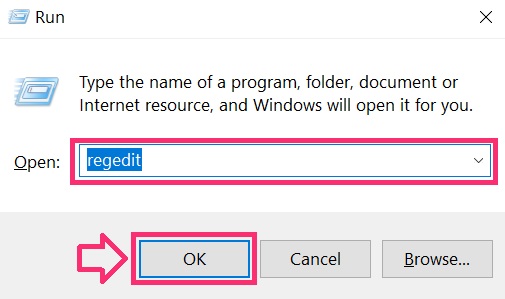
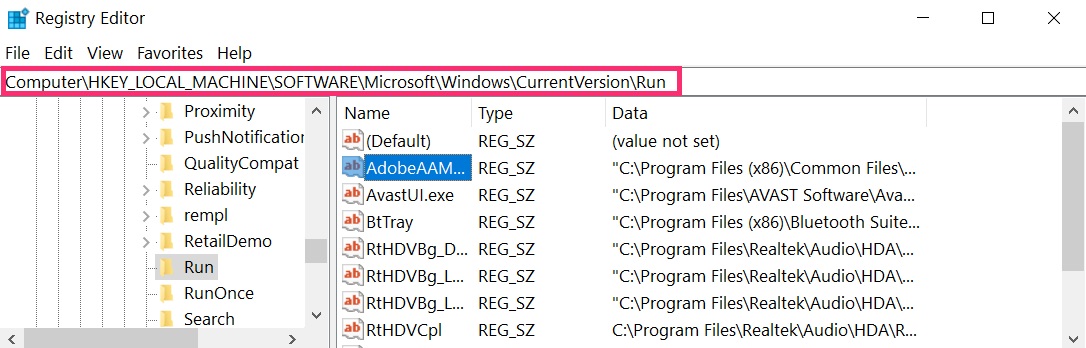
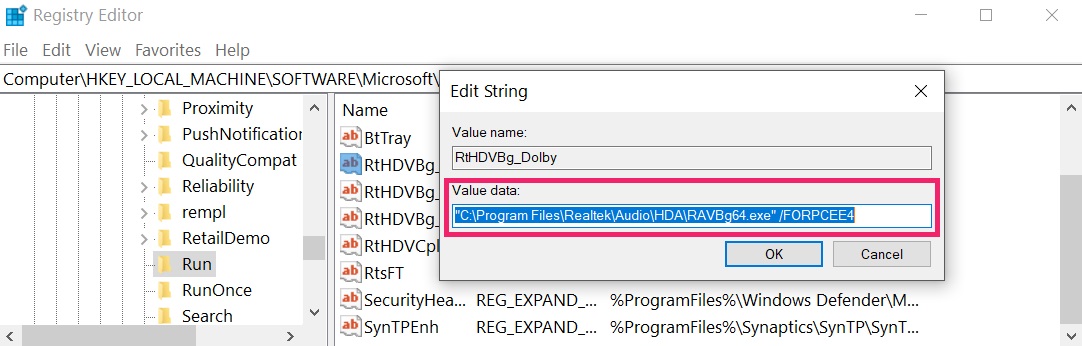 Tip: To find a virus-created value, you can right-click on it and click "Modify" to see which file it is set to run. If this is the virus file location, remove the value.
Step 3: Find virus files created by Contebrew on your PC.
1.For Windows 8, 8.1 and 10.
For Newer Windows Operating Systems
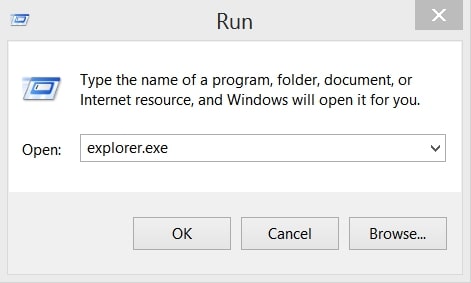
1: On your keyboard press + R and write explorer.exe in the Run text box and then click on the Ok button.
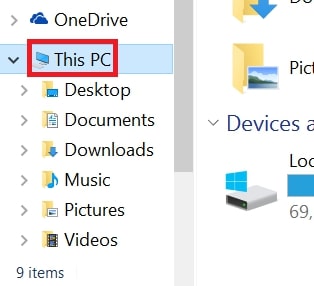
2: Click on your PC from the quick access bar. This is usually an icon with a monitor and its name is either “My Computer”, “My PC” or “This PC” or whatever you have named it.
3: Navigate to the search box in the top-right of your PC's screen and type “fileextension:” and after which type the file extension. If you are looking for malicious executables, an example may be "fileextension:exe". After doing that, leave a space and type the file name you believe the malware has created. Here is how it may appear if your file has been found:
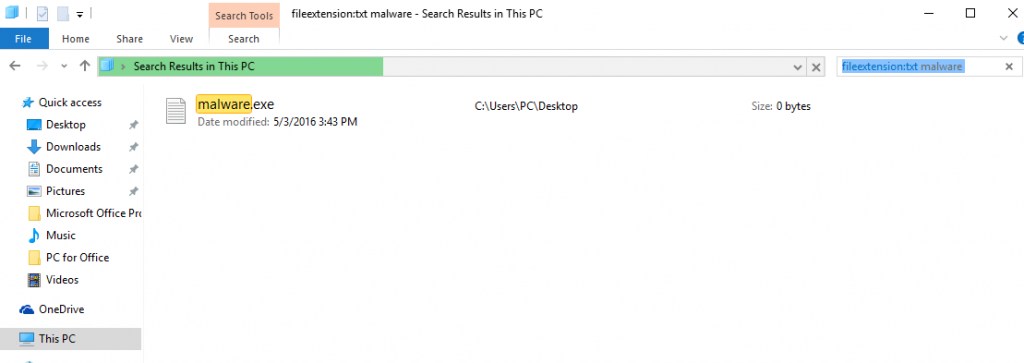
N.B. We recommend to wait for the green loading bar in the navigation box to fill up in case the PC is looking for the file and hasn't found it yet.
2.For Windows XP, Vista, and 7.
For Older Windows Operating Systems
In older Windows OS's the conventional approach should be the effective one:
1: Click on the Start Menu icon (usually on your bottom-left) and then choose the Search preference.
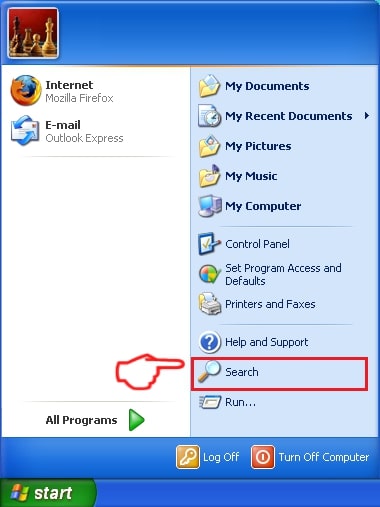
2: After the search window appears, choose More Advanced Options from the search assistant box. Another way is by clicking on All Files and Folders.
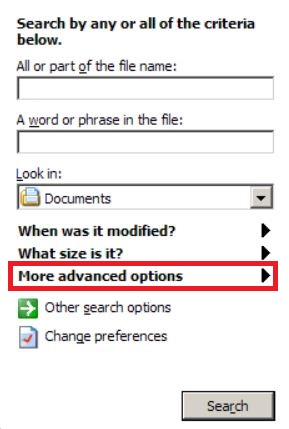
3: After that type the name of the file you are looking for and click on the Search button. This might take some time after which results will appear. If you have found the malicious file, you may copy or open its location by right-clicking on it.
Now you should be able to discover any file on Windows as long as it is on your hard drive and is not concealed via special software.
Contebrew FAQ
What Does Contebrew Trojan Do?
The Contebrew Trojan is a malicious computer program designed to disrupt, damage, or gain unauthorized access to a computer system. It can be used to steal sensitive data, gain control over a system, or launch other malicious activities.
Can Trojans Steal Passwords?
Yes, Trojans, like Contebrew, can steal passwords. These malicious programs are designed to gain access to a user's computer, spy on victims and steal sensitive information such as banking details and passwords.
Can Contebrew Trojan Hide Itself?
Yes, it can. A Trojan can use various techniques to mask itself, including rootkits, encryption, and obfuscation, to hide from security scanners and evade detection.
Can a Trojan be Removed by Factory Reset?
Yes, a Trojan can be removed by factory resetting your device. This is because it will restore the device to its original state, eliminating any malicious software that may have been installed. Bear in mind that there are more sophisticated Trojans that leave backdoors and reinfect even after a factory reset.
Can Contebrew Trojan Infect WiFi?
Yes, it is possible for a Trojan to infect WiFi networks. When a user connects to the infected network, the Trojan can spread to other connected devices and can access sensitive information on the network.
Can Trojans Be Deleted?
Yes, Trojans can be deleted. This is typically done by running a powerful anti-virus or anti-malware program that is designed to detect and remove malicious files. In some cases, manual deletion of the Trojan may also be necessary.
Can Trojans Steal Files?
Yes, Trojans can steal files if they are installed on a computer. This is done by allowing the malware author or user to gain access to the computer and then steal the files stored on it.
Which Anti-Malware Can Remove Trojans?
Anti-malware programs such as SpyHunter are capable of scanning for and removing Trojans from your computer. It is important to keep your anti-malware up to date and regularly scan your system for any malicious software.
Can Trojans Infect USB?
Yes, Trojans can infect USB devices. USB Trojans typically spread through malicious files downloaded from the internet or shared via email, allowing the hacker to gain access to a user's confidential data.
About the Contebrew Research
The content we publish on SensorsTechForum.com, this Contebrew how-to removal guide included, is the outcome of extensive research, hard work and our team’s devotion to help you remove the specific trojan problem.
How did we conduct the research on Contebrew?
Please note that our research is based on an independent investigation. We are in contact with independent security researchers, thanks to which we receive daily updates on the latest malware definitions, including the various types of trojans (backdoor, downloader, infostealer, ransom, etc.)
Furthermore, the research behind the Contebrew threat is backed with VirusTotal.
To better understand the threat posed by trojans, please refer to the following articles which provide knowledgeable details.