

What is Trojan:Win64/Tedy!MTB?
Microsoft Defender flagged Trojan:Win64/Tedy!MTB on your system and you want to know whether this is a real infection, a false positive, and exactly what to do about it. Read this guide carefully before taking any action in Defender.
Trojan:Win64/Tedy!MTB is a Microsoft Defender machine-learning threat-based detection for 64-bit Windows systems. The !MTB suffix indicates the detection is driven by machine-learning behavioral analysis rather than an exact file signature match, which means it can catch new or previously unseen threats earlier than signature-based detection – but also means the file path and download source carry more diagnostic weight than the detection label alone. Microsoft’s Security Intelligence database lists multiple variants of the Tedy family published between August and November 2025 and into 2026, all described as capable of performing a number of actions of a malicious actor’s choice on the affected device. Gridinsoft’s security guide for this detection confirms that the name alone does not tell you whether the trigger was a malicious download, a packed application, a suspicious DLL, or in some cases a false-positive-like situation – the path and source are the deciding details. A file detected in a crack, repack, fake update, email attachment, Temp folder, or unknown download should be treated as malicious. A detection in a recognized software installation directory from a known publisher warrants a VirusTotal check before drawing conclusions.
![Trojan:Win64/Tedy!MTB - How to Remove It [Fix]](https://cdn.sensorstechforum.com/wp-content/uploads/2026/09/trojan_win64_tedy_mtb_removal_hero.jpg.png)
Trojan:Win64/Tedy!MTB Short Overview
| Type | Microsoft Defender machine-learning threat-based (!MTB) detection for 64-bit Windows. Multiple Tedy family variants published by Microsoft Security Intelligence between August 2025 and January 2026. Can perform a number of actions of a malicious actor’s choice including spyware, credential theft, and additional malware downloads. File path and download source are the decisive diagnostic factors. May involve loader, side-loaded DLLs, or startup persistence components beyond the named file. |
| Symptoms | Microsoft Defender flagging Trojan:Win64/Tedy!MTB in Protection History or real-time protection. The detection pointing to a file in a Temp, AppData, or unfamiliar location outside recognized software installation directories. The alert returning after the file is quarantined or removed, indicating a persistence mechanism is relaunching it. High CPU or network activity tied to an unfamiliar background process after the initial detection. Unexpected system behavior or unauthorized network connections following the detection. |
| Removal Time | Approximately 15 minutes for a full-system scan |
| Removal Tool | See If Your System Has Been Affected by malware
Download
Malware Removal Tool
|
How Did I Get Trojan:Win64/Tedy!MTB?
When the detection is confirmed malicious rather than a false positive, the Tedy family arrives through these documented routes:
- Cracked software, repacks, or fake update installers – The highest-risk delivery route for the Tedy family: cracked applications, keygen tools, and repacked software downloaded from unofficial sites embed the Trojan in the installer, where it executes automatically during setup. If the detected file is in the same directory as a crack or keygen, treat it as confirmed malicious.
- Software bundling with free downloads from unofficial sources – A free utility downloaded from a third-party site includes the Trojan component as a bundled addition through software bundling, installing silently alongside the expected application.
- Malicious email attachments – A document or archive received through a spam email executes a dropper that places the Trojan component in a Temp or AppData directory before running it.
- Side-loaded DLLs from a compromised application – Some variants arrive as a malicious DLL placed in the same folder as a legitimate application, which then loads it automatically – a technique called DLL side-loading that allows the Trojan to run under a trusted process name.
What Does Trojan:Win64/Tedy!MTB Do?
Microsoft’s threat record states the Trojan can perform a number of actions of a malicious actor’s choice. Gridinsoft’s analysis of the Tedy family adds the following specific context:
- Performs malicious actor-directed actions on the device – The !MTB classification means the payload behavior is determined by the attacker’s configuration of the specific sample, which can include spyware functions, credential theft, download of additional malware, and unauthorized resource use.
- May involve loader, side-loaded DLLs, or startup components beyond the named file – Gridinsoft specifically warns that if the detection returned after reboot, the named file may be only one part of the chain. Scan for the loader, side-loaded DLLs, startup tasks, services, and any Defender exclusions that may have been added by the infection before restoring any application or signing into sensitive accounts.
- Infection can leave remnant files and system changes even after Defender removes the main component – Microsoft’s own threat documentation for the Tedy family confirms that many infections leave residual files and system modifications that a full scan with updated definitions may be needed to address.
- Establishes persistence through scheduled tasks or registry entries – If the alert returns after being quarantined or removed, a persistence mechanism – a scheduled task, a startup registry entry, or a service – is relaunching the component. The persistence layer must be found and removed to stop the recurrence.
How to Remove Trojan:Win64/Tedy!MTB [Fix]
Keep the item quarantined – do not allow or restore it. Open Defender Protection History, open the Tedy!MTB event, copy the affected item path, and note the action status. If the path is inside a crack, Temp, AppData, or an unfamiliar folder, delete the original source file – the installer, archive, or downloaded package that produced the detection. Update Defender to the latest security intelligence definitions and run a full offline scan (Windows Security, then Virus and Threat Protection, then Scan Options, then Microsoft Defender Offline Scan). After the offline scan, open Task Scheduler (taskschd.msc) and check for any scheduled task pointing to an unfamiliar executable, and check the Startup tab in Task Manager for any entry added around the time of the first alert. If the alert returned after reboot, the infection has a persistence layer that requires cleanup beyond the quarantined file: check Task Scheduler, startup entries, installed services (services.msc), and any Defender exclusion list (Windows Security, Virus and Threat Protection, Manage Settings, Exclusions) for anything that should not be there. If account credentials were stored on the device and the file ran before being detected, change passwords from a clean device. Follow the complete removal guide below this article for the full step-by-step process.

Ventsislav Krastev
Ventsislav is a cybersecurity expert at SensorsTechForum since 2015. He has been researching, covering, helping victims with the latest malware infections plus testing and reviewing software and the newest tech developments. Having graduated Marketing as well, Ventsislav also has passion for learning new shifts and innovations in cybersecurity that become game changers. After studying Value Chain Management, Network Administration and Computer Administration of System Applications, he found his true calling within the cybersecrurity industry and is a strong believer in the education of every user towards online safety and security.
Follow Me:
Preparation before removing Trojan:Win64/Tedy!MTB.
Before starting the actual removal process, we recommend that you do the following preparation steps.
- Make sure you have these instructions always open and in front of your eyes.
- Do a backup of all of your files, even if they could be damaged. You should back up your data with a cloud backup solution and insure your files against any type of loss, even from the most severe threats.
- Be patient as this could take a while.
- Scan for Malware
- Fix Registries
- Remove Virus Files
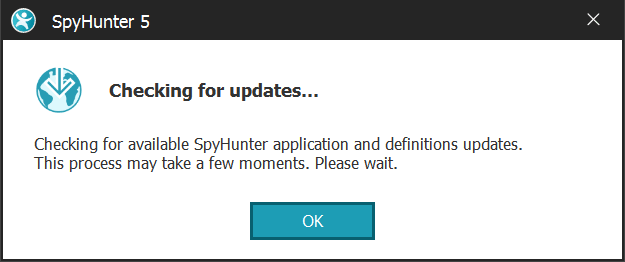
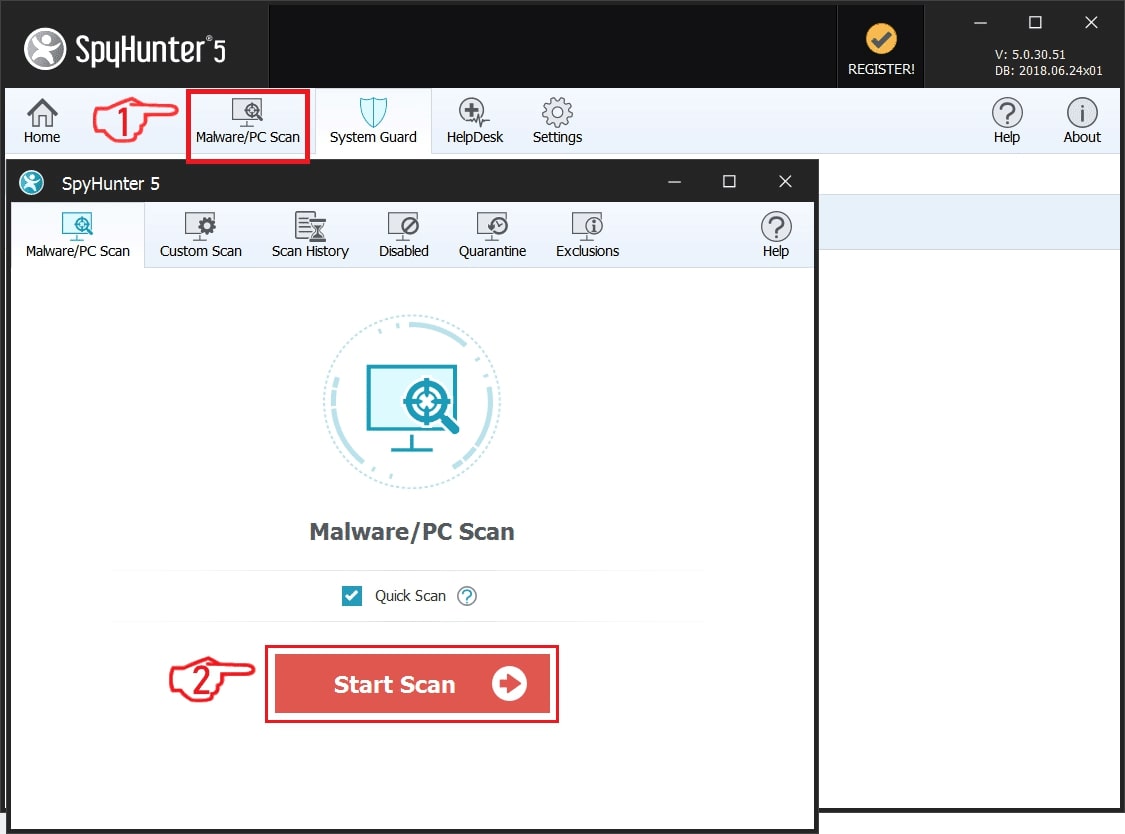
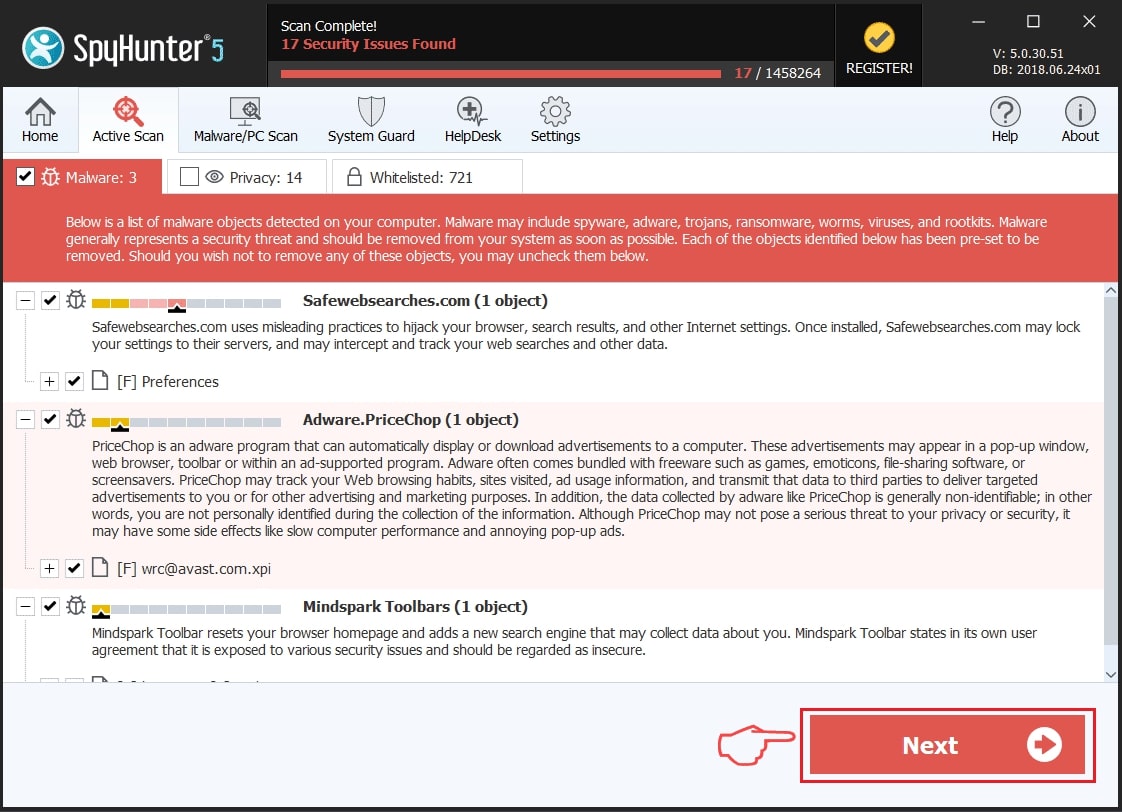
Step 1: Scan for Trojan:Win64/Tedy!MTB with SpyHunter Anti-Malware Tool
Step 2: Clean any registries, created by Trojan:Win64/Tedy!MTB on your computer.
The usually targeted registries of Windows machines are the following:
- HKEY_LOCAL_MACHINE\Software\Microsoft\Windows\CurrentVersion\Run
- HKEY_CURRENT_USER\Software\Microsoft\Windows\CurrentVersion\Run
- HKEY_LOCAL_MACHINE\Software\Microsoft\Windows\CurrentVersion\RunOnce
- HKEY_CURRENT_USER\Software\Microsoft\Windows\CurrentVersion\RunOnce
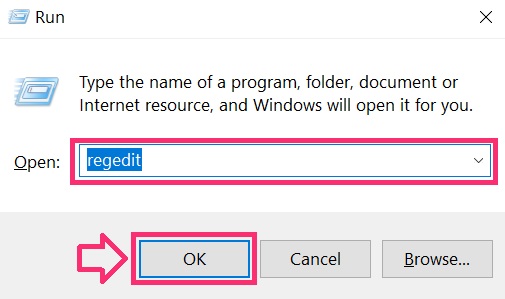
You can access them by opening the Windows registry editor and deleting any values, created by Trojan:Win64/Tedy!MTB there. This can happen by following the steps underneath:
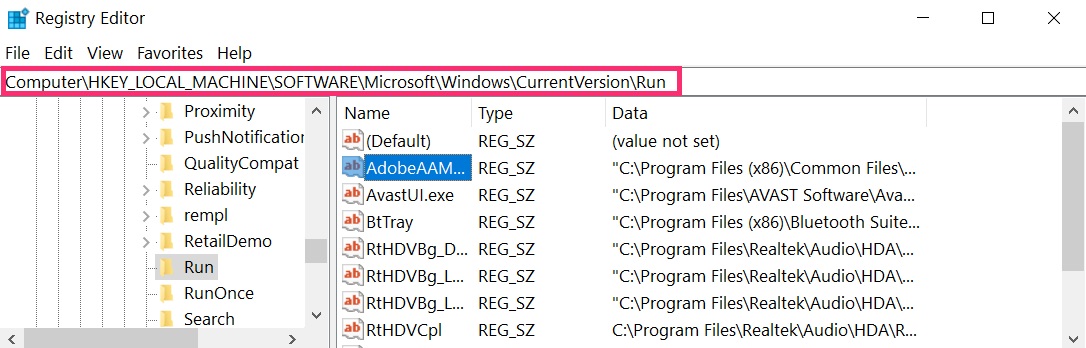
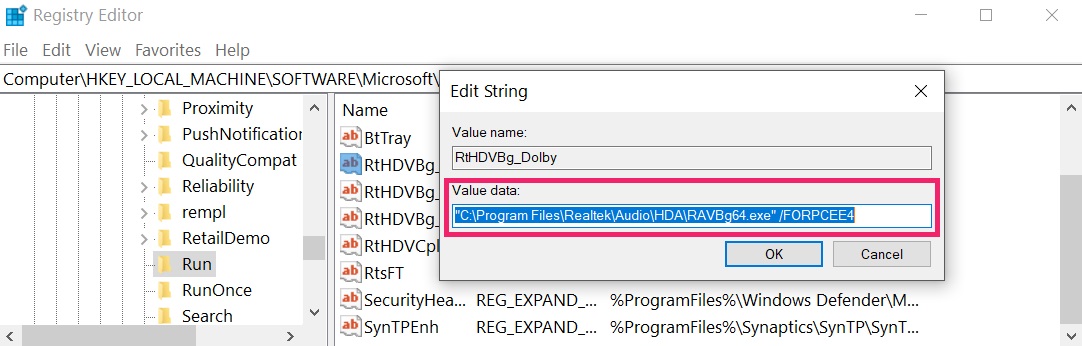 Tip: To find a virus-created value, you can right-click on it and click "Modify" to see which file it is set to run. If this is the virus file location, remove the value.
Step 3: Find virus files created by Trojan:Win64/Tedy!MTB on your PC.
1.For Windows 8, 8.1 and 10.
For Newer Windows Operating Systems
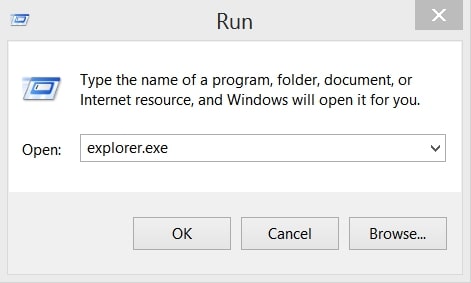
1: On your keyboard press + R and write explorer.exe in the Run text box and then click on the Ok button.
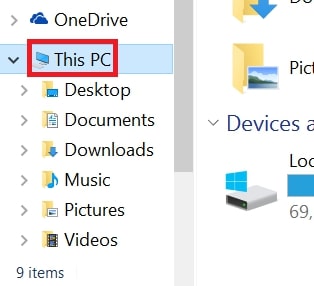
2: Click on your PC from the quick access bar. This is usually an icon with a monitor and its name is either “My Computer”, “My PC” or “This PC” or whatever you have named it.
3: Navigate to the search box in the top-right of your PC's screen and type “fileextension:” and after which type the file extension. If you are looking for malicious executables, an example may be "fileextension:exe". After doing that, leave a space and type the file name you believe the malware has created. Here is how it may appear if your file has been found:
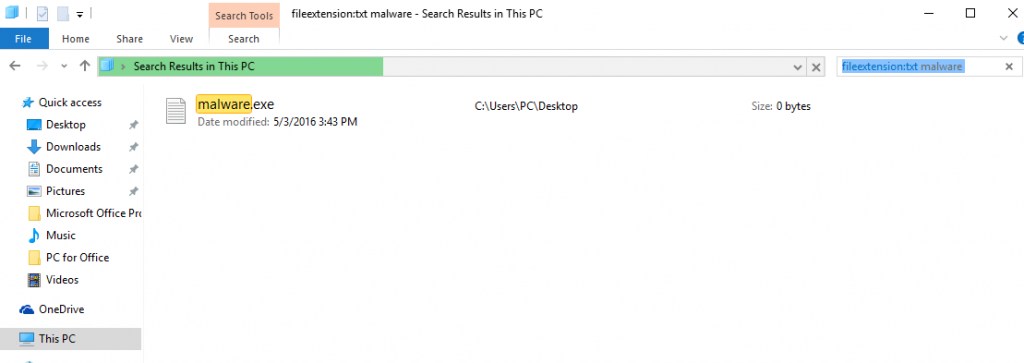
N.B. We recommend to wait for the green loading bar in the navigation box to fill up in case the PC is looking for the file and hasn't found it yet.
2.For Windows XP, Vista, and 7.
For Older Windows Operating Systems
In older Windows OS's the conventional approach should be the effective one:
1: Click on the Start Menu icon (usually on your bottom-left) and then choose the Search preference.
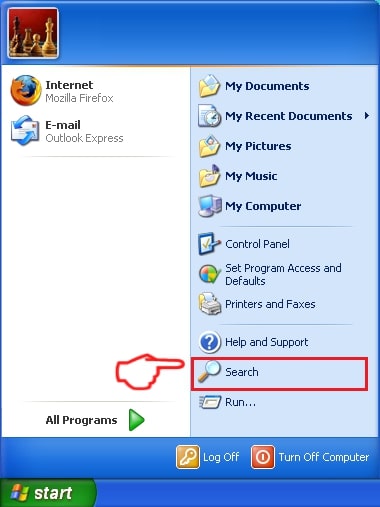
2: After the search window appears, choose More Advanced Options from the search assistant box. Another way is by clicking on All Files and Folders.
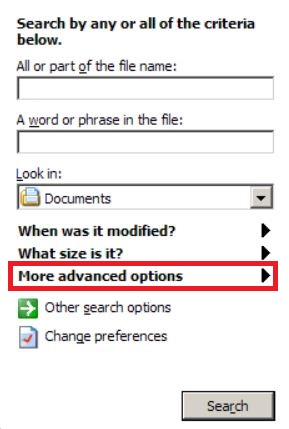
3: After that type the name of the file you are looking for and click on the Search button. This might take some time after which results will appear. If you have found the malicious file, you may copy or open its location by right-clicking on it.
Now you should be able to discover any file on Windows as long as it is on your hard drive and is not concealed via special software.
Trojan:Win64/Tedy!MTB FAQ
What Does Trojan:Win64/Tedy!MTB Trojan Do?
The Trojan:Win64/Tedy!MTB Trojan is a malicious computer program designed to disrupt, damage, or gain unauthorized access to a computer system. It can be used to steal sensitive data, gain control over a system, or launch other malicious activities.
Can Trojans Steal Passwords?
Yes, Trojans, like Trojan:Win64/Tedy!MTB, can steal passwords. These malicious programs are designed to gain access to a user's computer, spy on victims and steal sensitive information such as banking details and passwords.
Can Trojan:Win64/Tedy!MTB Trojan Hide Itself?
Yes, it can. A Trojan can use various techniques to mask itself, including rootkits, encryption, and obfuscation, to hide from security scanners and evade detection.
Can a Trojan be Removed by Factory Reset?
Yes, a Trojan can be removed by factory resetting your device. This is because it will restore the device to its original state, eliminating any malicious software that may have been installed. Bear in mind that there are more sophisticated Trojans that leave backdoors and reinfect even after a factory reset.
Can Trojan:Win64/Tedy!MTB Trojan Infect WiFi?
Yes, it is possible for a Trojan to infect WiFi networks. When a user connects to the infected network, the Trojan can spread to other connected devices and can access sensitive information on the network.
Can Trojans Be Deleted?
Yes, Trojans can be deleted. This is typically done by running a powerful anti-virus or anti-malware program that is designed to detect and remove malicious files. In some cases, manual deletion of the Trojan may also be necessary.
Can Trojans Steal Files?
Yes, Trojans can steal files if they are installed on a computer. This is done by allowing the malware author or user to gain access to the computer and then steal the files stored on it.
Which Anti-Malware Can Remove Trojans?
Anti-malware programs such as SpyHunter are capable of scanning for and removing Trojans from your computer. It is important to keep your anti-malware up to date and regularly scan your system for any malicious software.
Can Trojans Infect USB?
Yes, Trojans can infect USB devices. USB Trojans typically spread through malicious files downloaded from the internet or shared via email, allowing the hacker to gain access to a user's confidential data.
About the Trojan:Win64/Tedy!MTB Research
The content we publish on SensorsTechForum.com, this Trojan:Win64/Tedy!MTB how-to removal guide included, is the outcome of extensive research, hard work and our team’s devotion to help you remove the specific trojan problem.
How did we conduct the research on Trojan:Win64/Tedy!MTB?
Please note that our research is based on an independent investigation. We are in contact with independent security researchers, thanks to which we receive daily updates on the latest malware definitions, including the various types of trojans (backdoor, downloader, infostealer, ransom, etc.)
Furthermore, the research behind the Trojan:Win64/Tedy!MTB threat is backed with VirusTotal.
To better understand the threat posed by trojans, please refer to the following articles which provide knowledgeable details.