

What is Renpy.infostealer Pop-ups Virus?
Renpy.infostealer Pop-ups Virus is a newly observed cyber threat categorized as an information-stealing malware (infostealer) that is designed to infiltrate systems silently and extract sensitive user data. Read this article to find out how this malware operates, how it infects systems, and what you can do to protect your device effectively.
This malware is particularly dangerous due to its stealthy infection vectors and its ability to remain undetected while harvesting valuable information. Unlike traditional viruses that may display obvious symptoms, Renpy.infostealer often disguises itself behind seemingly harmless pop-ups, fake notifications, or malicious downloads.
Once inside a system, it can begin collecting data such as login credentials, browser cookies, stored passwords, financial information, and even system-level data. Its name suggests a possible link to scripts or payloads delivered through environments associated with Ren’Py-based applications, although it is not limited to that ecosystem.
![Renpy.infostealer Pop-ups Virus - Removal Steps [Fix]](https://cdn.sensorstechforum.com/wp-content/uploads/2026/03/Renpy-infostealer-virus-1024x576.jpg)
Renpy.infostealer Details
| Type | Trojan, Malware, Backdoor |
| Removal Time | Around 5 Minutes |
| Removal Tool |
See If Your System Has Been Affected by malware
Download
Malware Removal Tool
|
Key Characteristics of Renpy.infostealer
This malware exhibits several defining traits that make it particularly dangerous:
- Stealthy installation without user awareness.
- Execution via malicious pop-ups or deceptive prompts.
- Data exfiltration capabilities targeting sensitive user information.
- Persistence mechanisms that allow it to survive reboots.
- Potential communication with remote command-and-control (C2) servers.
How Did I Get Renpy.infostealer Pop-ups Virus?
Renpy.infostealer infections typically occur through deceptive and socially engineered attack vectors. Cybercriminals rely heavily on user interaction to execute their payloads, meaning that the malware often arrives disguised as something legitimate.
One of the primary distribution methods involves malicious URLs embedded in spam emails, fake download pages, or compromised websites. When users click on these links, they may unknowingly download a payload that initiates the infection process.
Another common infection vector is file attachments. These attachments may appear as invoices, documents, or software installers. Once opened, they can execute scripts that deploy the infostealer in the background.
Common Infection Methods
Users may encounter this malware through various channels, including:
- Phishing emails containing malicious attachment or links.
- Fake software updates or installers.
- Compromised websites delivering drive-by downloads.
- Pop-up ads that prompt users to install suspicious software.
- Pirated software bundles containing hidden malware payloads.
In many cases, the infection begins with a pop-up message claiming that the system is outdated or infected, urging the user to take immediate action. These pop-ups are engineered to create a sense of urgency, leading users to click without verifying authenticity.
What Does Renpy.infostealer Pop-ups Virus Do?
Once successfully installed, Renpy.infostealer initiates a series of malicious activities aimed at extracting valuable information from the infected system. Its primary objective is data theft, but its capabilities may extend beyond that depending on the attacker’s intent.
The malware typically begins by scanning the system for stored credentials. This includes browser-stored usernames and passwords, autofill data, and cookies. By harvesting cookies, attackers may even bypass authentication mechanisms on certain platforms.
Additionally, Renpy.infostealer may target cryptocurrency wallets, extracting wallet addresses and private keys. This can lead to immediate financial losses if exploited by cybercriminals.
Core Malicious Activities
After infiltration, the malware can perform the following operations:
- Collect browser data from Chrome, Firefox, Edge, and other browsers.
- Extract saved passwords and login credentials.
- Capture screenshots or record user activity.
- Harvest system information such as IP address and hardware details.
- Access files stored locally on the device.
- Send collected data to remote servers controlled by attackers.
Another critical aspect of this malware is its persistence mechanism. It may modify system registry entries or create scheduled tasks to ensure it runs every time the system starts. This makes manual detection and removal more challenging.
In some cases, Renpy.infostealer may also download additional payloads, effectively turning the infected machine into a multi-purpose attack platform. This could include ransomware, trojans, or even botnet clients.
How to Remove Renpy.infostealer Pop-ups Virus
Removing Renpy.infostealer requires a thorough approach, as the malware is designed to embed itself deeply within the system. It is crucial to eliminate all associated files, processes, and registry entries to prevent reinfection.
Users should begin by identifying suspicious processes running in the background. These processes may consume system resources or appear under unfamiliar names. Additionally, recently installed programs should be reviewed and removed if they are unknown or suspicious.
Browser cleanup is also essential, as infostealers often target web browsers. This includes removing malicious extensions, clearing cookies, and resetting browser settings to their default state.
Important Removal Considerations
When dealing with this type of malware, keep the following in mind:
- The malware may reinstall itself if not completely removed.
- Manual removal can be difficult without technical expertise.
- Security software can help detect hidden components.
- Passwords should be changed immediately after cleanup.
- Monitoring financial accounts is strongly recommended.
Because Renpy.infostealer focuses on data theft, even after removal, the consequences may persist. Users should assume that any sensitive information stored on the infected system has been compromised.
What should you do?
If you suspect that your system has been infected with Renpy.infostealer Pop-ups Virus, it is critical to act immediately. Taking swift action can minimize potential damage and prevent further data loss.
Ensure that you secure your accounts by updating all passwords, especially for email, banking, and social media platforms. Enable multi-factor authentication wherever possible to add an extra layer of protection.
Additionally, consider using a reputable security solution to scan your system thoroughly and remove any remaining threats. Staying vigilant and avoiding suspicious downloads or links in the future will significantly reduce the risk of reinfection.
Follow the removal recommendations below to fully eliminate Renpy.infostealer Pop-ups Virus and protect your system from future threats.

Ventsislav Krastev
Ventsislav is a cybersecurity expert at SensorsTechForum since 2015. He has been researching, covering, helping victims with the latest malware infections plus testing and reviewing software and the newest tech developments. Having graduated Marketing as well, Ventsislav also has passion for learning new shifts and innovations in cybersecurity that become game changers. After studying Value Chain Management, Network Administration and Computer Administration of System Applications, he found his true calling within the cybersecrurity industry and is a strong believer in the education of every user towards online safety and security.
Follow Me:
Preparation before removing Renpy.infostealer.
Before starting the actual removal process, we recommend that you do the following preparation steps.
- Make sure you have these instructions always open and in front of your eyes.
- Do a backup of all of your files, even if they could be damaged. You should back up your data with a cloud backup solution and insure your files against any type of loss, even from the most severe threats.
- Be patient as this could take a while.
- Scan for Malware
- Fix Registries
- Remove Virus Files
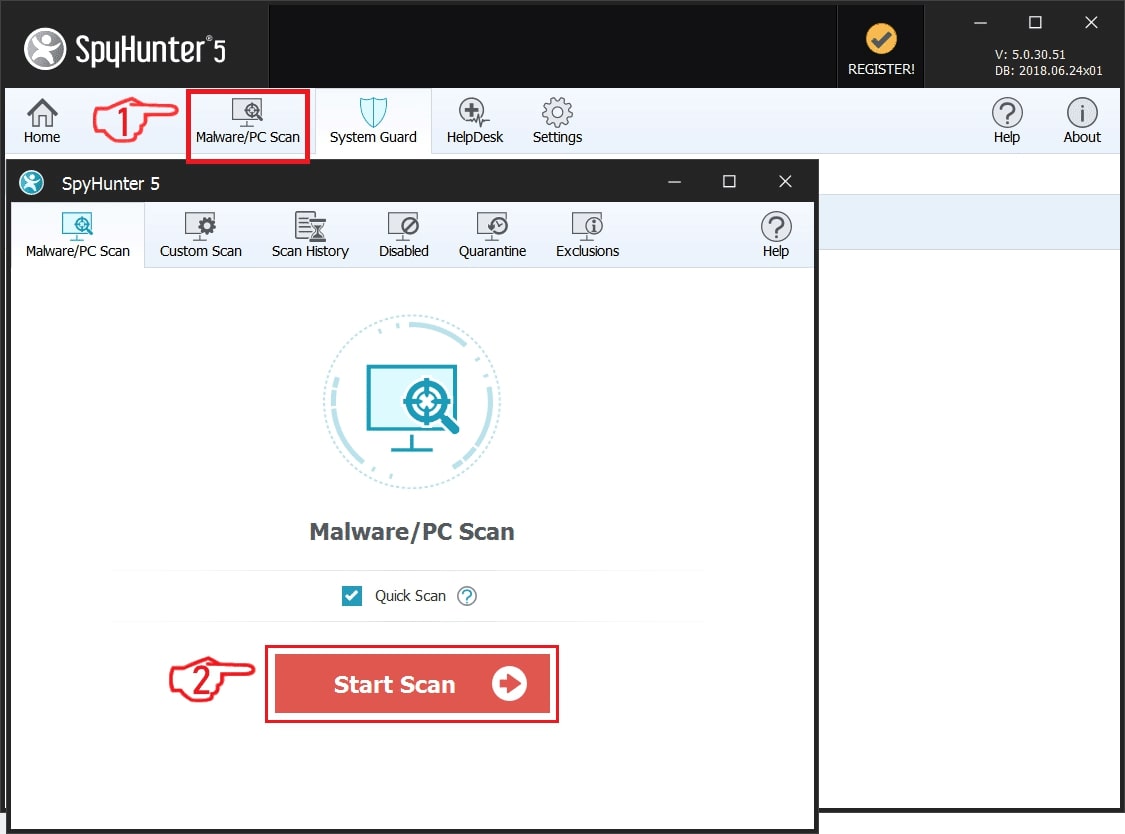
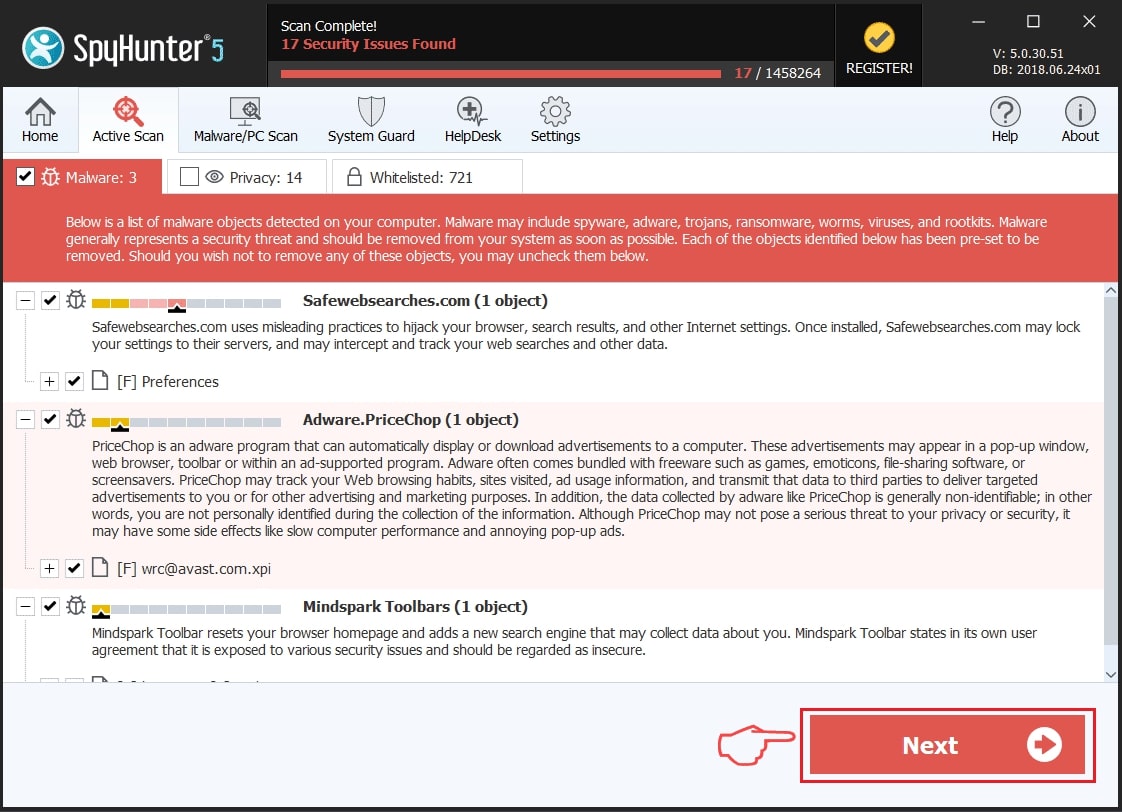
Step 1: Scan for Renpy.infostealer with SpyHunter Anti-Malware Tool
Step 2: Clean any registries, created by Renpy.infostealer on your computer.
The usually targeted registries of Windows machines are the following:
- HKEY_LOCAL_MACHINE\Software\Microsoft\Windows\CurrentVersion\Run
- HKEY_CURRENT_USER\Software\Microsoft\Windows\CurrentVersion\Run
- HKEY_LOCAL_MACHINE\Software\Microsoft\Windows\CurrentVersion\RunOnce
- HKEY_CURRENT_USER\Software\Microsoft\Windows\CurrentVersion\RunOnce
You can access them by opening the Windows registry editor and deleting any values, created by Renpy.infostealer there. This can happen by following the steps underneath:
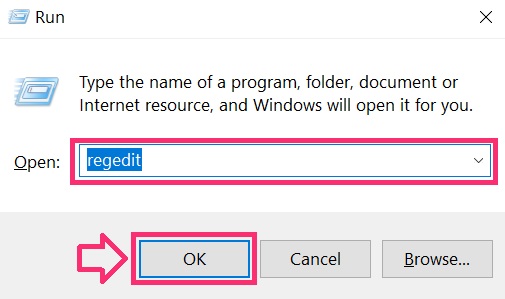
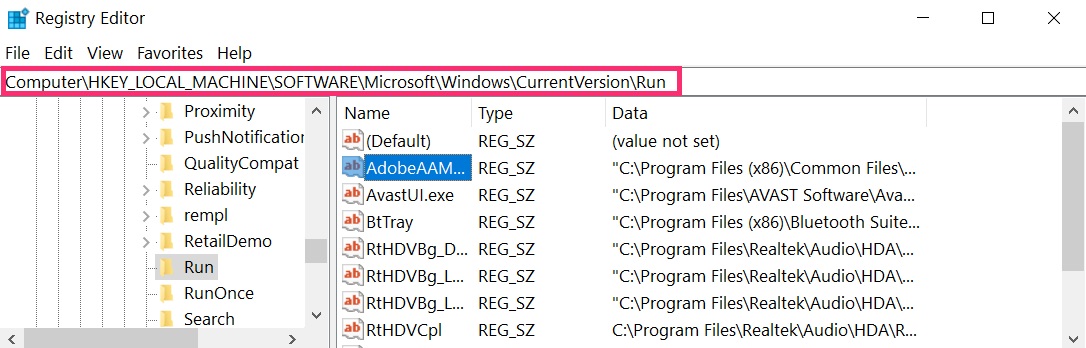
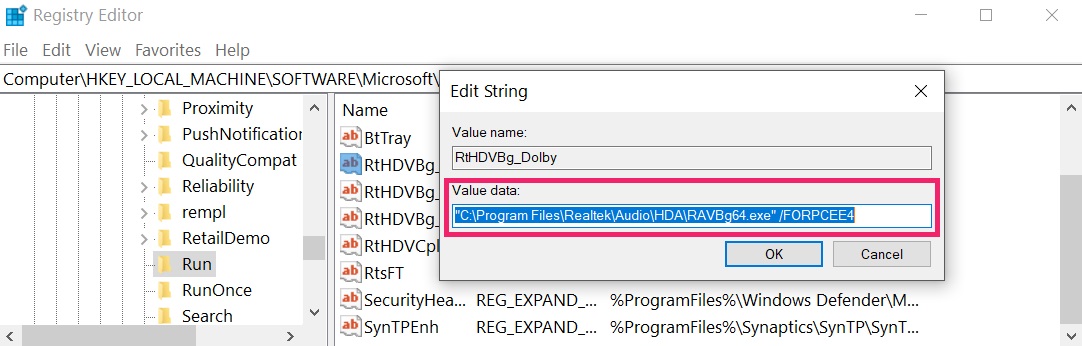 Tip: To find a virus-created value, you can right-click on it and click "Modify" to see which file it is set to run. If this is the virus file location, remove the value.
Step 3: Find virus files created by Renpy.infostealer on your PC.
1.For Windows 8, 8.1 and 10.
For Newer Windows Operating Systems
1: On your keyboard press + R and write explorer.exe in the Run text box and then click on the Ok button.
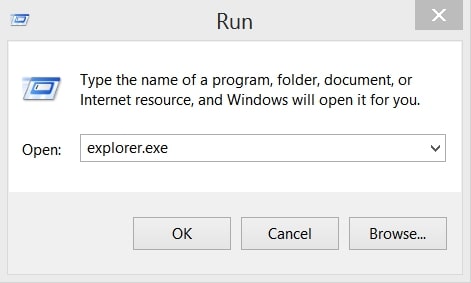
2: Click on your PC from the quick access bar. This is usually an icon with a monitor and its name is either “My Computer”, “My PC” or “This PC” or whatever you have named it.
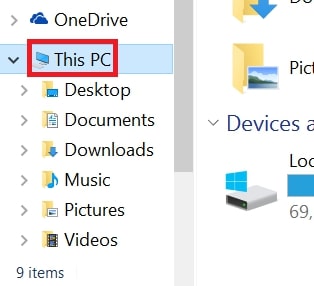
3: Navigate to the search box in the top-right of your PC's screen and type “fileextension:” and after which type the file extension. If you are looking for malicious executables, an example may be "fileextension:exe". After doing that, leave a space and type the file name you believe the malware has created. Here is how it may appear if your file has been found:
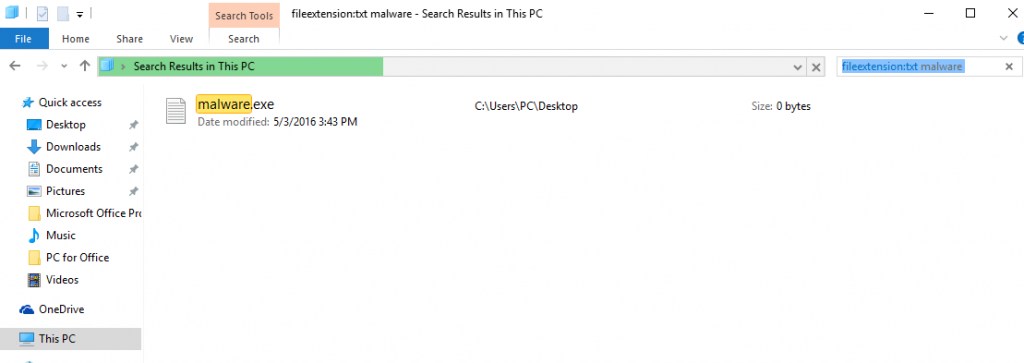
N.B. We recommend to wait for the green loading bar in the navigation box to fill up in case the PC is looking for the file and hasn't found it yet.
2.For Windows XP, Vista, and 7.
For Older Windows Operating Systems
In older Windows OS's the conventional approach should be the effective one:
1: Click on the Start Menu icon (usually on your bottom-left) and then choose the Search preference.
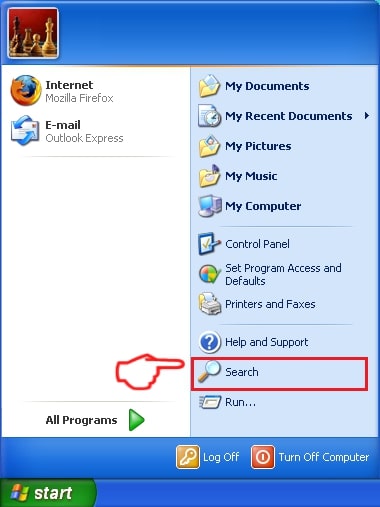
2: After the search window appears, choose More Advanced Options from the search assistant box. Another way is by clicking on All Files and Folders.
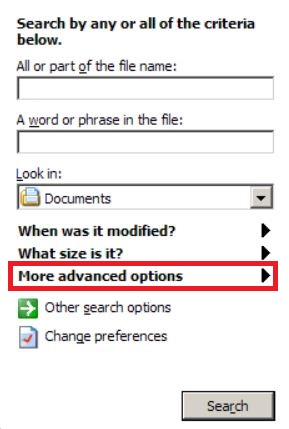
3: After that type the name of the file you are looking for and click on the Search button. This might take some time after which results will appear. If you have found the malicious file, you may copy or open its location by right-clicking on it.
Now you should be able to discover any file on Windows as long as it is on your hard drive and is not concealed via special software.
Renpy.infostealer FAQ
What Does Renpy.infostealer Trojan Do?
The Renpy.infostealer Trojan is a malicious computer program designed to disrupt, damage, or gain unauthorized access to a computer system. It can be used to steal sensitive data, gain control over a system, or launch other malicious activities.
Can Trojans Steal Passwords?
Yes, Trojans, like Renpy.infostealer, can steal passwords. These malicious programs are designed to gain access to a user's computer, spy on victims and steal sensitive information such as banking details and passwords.
Can Renpy.infostealer Trojan Hide Itself?
Yes, it can. A Trojan can use various techniques to mask itself, including rootkits, encryption, and obfuscation, to hide from security scanners and evade detection.
Can a Trojan be Removed by Factory Reset?
Yes, a Trojan can be removed by factory resetting your device. This is because it will restore the device to its original state, eliminating any malicious software that may have been installed. Bear in mind that there are more sophisticated Trojans that leave backdoors and reinfect even after a factory reset.
Can Renpy.infostealer Trojan Infect WiFi?
Yes, it is possible for a Trojan to infect WiFi networks. When a user connects to the infected network, the Trojan can spread to other connected devices and can access sensitive information on the network.
Can Trojans Be Deleted?
Yes, Trojans can be deleted. This is typically done by running a powerful anti-virus or anti-malware program that is designed to detect and remove malicious files. In some cases, manual deletion of the Trojan may also be necessary.
Can Trojans Steal Files?
Yes, Trojans can steal files if they are installed on a computer. This is done by allowing the malware author or user to gain access to the computer and then steal the files stored on it.
Which Anti-Malware Can Remove Trojans?
Anti-malware programs such as SpyHunter are capable of scanning for and removing Trojans from your computer. It is important to keep your anti-malware up to date and regularly scan your system for any malicious software.
Can Trojans Infect USB?
Yes, Trojans can infect USB devices. USB Trojans typically spread through malicious files downloaded from the internet or shared via email, allowing the hacker to gain access to a user's confidential data.
About the Renpy.infostealer Research
The content we publish on SensorsTechForum.com, this Renpy.infostealer how-to removal guide included, is the outcome of extensive research, hard work and our team’s devotion to help you remove the specific trojan problem.
How did we conduct the research on Renpy.infostealer?
Please note that our research is based on an independent investigation. We are in contact with independent security researchers, thanks to which we receive daily updates on the latest malware definitions, including the various types of trojans (backdoor, downloader, infostealer, ransom, etc.)
Furthermore, the research behind the Renpy.infostealer threat is backed with VirusTotal.
To better understand the threat posed by trojans, please refer to the following articles which provide knowledgeable details.