

What is MyIQ Scam?
MyIQ Scam is a deceptive online scheme that lures users into taking fake intelligence or personality tests, only to later charge hidden fees or harvest sensitive personal information. Read this article to find out how this scam operates, how it spreads across the web, and how you can protect yourself from financial loss and potential malware infections.
This scam typically presents itself as a seemingly harmless online quiz platform offering free IQ tests or cognitive assessments. Users are encouraged to answer a series of questions, after which they are promised instant results. However, instead of receiving a legitimate evaluation, victims are prompted to enter payment details to unlock their results.
In many cases, the scam includes fine print that enrolls users into recurring subscription services. These charges are often difficult to detect initially and may continue until the victim notices unauthorized transactions on their bank statement.
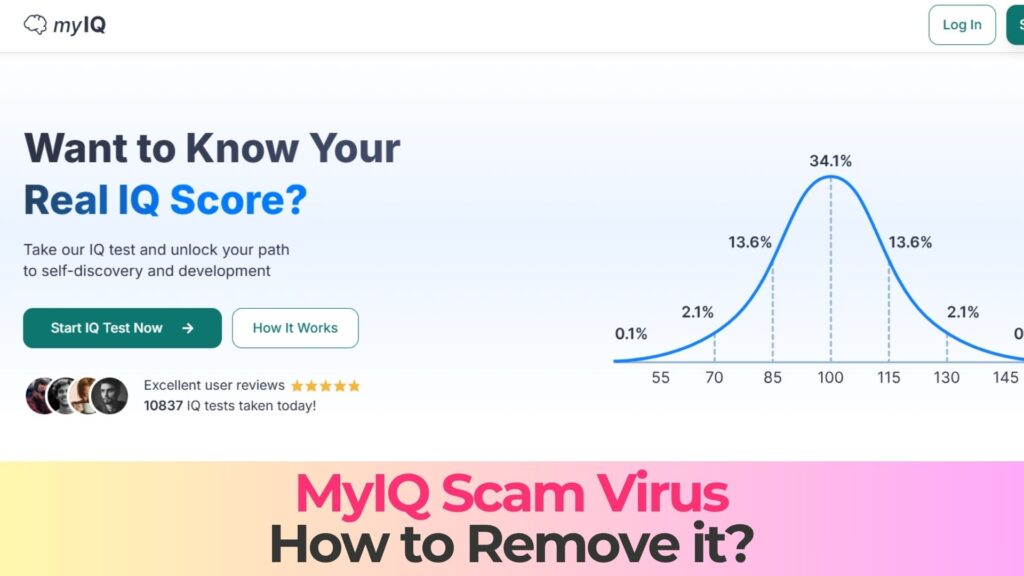
MyIQ Scam Short Overview
| Type | Scam, Browser Hijacker, Redirect, PUP |
| Short Description | A suspicious website that steals data and causes redirects. |
| Symptoms | Unwanted pop-ups may start appearing while you are browsing the web. A browser hijacker may be downloaded without your knowledge. |
| Removal Time | Approximately 15 minutes for a full-system scan |
| Removal Tool |
See If Your System Has Been Affected by malware
Download
Malware Removal Tool
|
Beyond financial fraud, MyIQ Scam may also function as a gateway to other cyber threats. Some variants redirect users to malicious websites, trigger unwanted downloads, or request excessive permissions that compromise device security.
How Did I Get MyIQ Scam?
The MyIQ Scam is distributed through a variety of online channels, leveraging aggressive marketing tactics and social engineering techniques. One of the most common entry points is through misleading advertisements on social media platforms and low-quality websites.
These ads often use clickbait headlines such as “Find Out Your Real IQ in 2 Minutes” or “Only 1% Can Pass This Test,” encouraging users to engage without suspicion. Once clicked, users are redirected to scam pages designed to appear legitimate and trustworthy.
Another распространен distribution method involves search engine optimization (SEO) poisoning. Fraudulent websites are optimized to rank highly in search results for queries related to IQ tests, increasing their visibility and reach.
Email campaigns may also be used to distribute links to these scam platforms. These emails often contain enticing offers or claims designed to spark curiosity and prompt immediate action.
Additionally, some users may encounter this scam through browser redirects caused by adware or potentially unwanted programs already installed on their system.
Common infection and exposure vectors include:
- Misleading social media advertisements and clickbait content.
- Search engine results manipulated by scam operators.
- Spam emails containing links to fake IQ test platforms.
- Browser redirects triggered by adware or malicious browser extensions.
These techniques rely heavily on user curiosity and the promise of quick, entertaining results.
What Does MyIQ Scam Do?
The MyIQ Scam is designed to exploit users both financially and technically. Once a user engages with the platform, the scam begins collecting data and attempting to monetize the interaction.
Initially, users are asked to complete a test. This process is used to build trust and create a sense of investment. At the end of the test, victims are prompted to pay a small fee to access their results. However, this payment often activates hidden subscription services that result in recurring charges.
In addition to financial exploitation, the scam may collect various types of personal data, including:
- Full name and email address.
- Billing information and credit card details.
- IP address and geolocation data.
- Browser and device fingerprints.
This information can be used for identity theft, targeted phishing campaigns, or sold to third parties.
Some versions of the scam also introduce malware-related risks. Users may be redirected to pages that prompt downloads of suspicious applications or browser extensions. These components can function as adware, spyware, or even trojans, further compromising system security.
Another опасен aspect is push notification abuse. Scam sites may request permission to send browser notifications. Once granted, users may receive continuous spam messages, fake alerts, and links to additional malicious content.
Overall, the MyIQ Scam operates as a multi-layered threat, combining financial fraud, data collection, and potential malware distribution.
How to Remove MyIQ Scam
Addressing the MyIQ Scam requires both preventive and corrective measures. If you have interacted with such a platform, it is important to act quickly to minimize potential damage.
Start by discontinuing any active subscriptions associated with the scam. Review your bank statements for unauthorized charges and contact your financial institution if suspicious activity is detected.
Next, inspect your browser for any unfamiliar extensions or permissions. Remove anything that appears suspicious or was installed without clear consent.
Clearing browser data, including cookies and cache, can help eliminate tracking elements and reduce the likelihood of repeated exposure.
If you suspect that malware may have been introduced, perform a full system scan using a trusted anti-malware solution. This can help identify and remove hidden threats, including adware and spyware components.
It is also advisable to change passwords for important accounts, especially if you have entered login credentials on suspicious websites.
Monitoring your personal and financial data for unusual activity is essential in the aftermath of such scams.
What should you do?
If you encounter platforms offering free tests that require payment to reveal results, approach them with caution. Avoid entering personal or financial information unless you are certain of the website’s legitimacy. Taking proactive steps to secure your data and regularly monitoring your accounts can significantly reduce the risk of falling victim to scams like MyIQ. Follow the removal and protection recommendations to maintain your digital safety and prevent future threats.

Ventsislav Krastev
Ventsislav is a cybersecurity expert at SensorsTechForum since 2015. He has been researching, covering, helping victims with the latest malware infections plus testing and reviewing software and the newest tech developments. Having graduated Marketing as well, Ventsislav also has passion for learning new shifts and innovations in cybersecurity that become game changers. After studying Value Chain Management, Network Administration and Computer Administration of System Applications, he found his true calling within the cybersecrurity industry and is a strong believer in the education of every user towards online safety and security.
Follow Me: