

What is Rabbit Virus Malware?
Rabbit Virus Malware is a dangerous type of malware designed to infiltrate computer systems, compromise files, and execute a wide range of harmful activities without the user’s consent. Read this article to find out how Rabbit Virus operates, how it spreads, and what risks it poses to your system security.
This malware belongs to a broad category of threats that may include trojans, file infectors, and cryptovirus-like components. Once active on a system, Rabbit Virus Malware can initiate unauthorized processes, modify system settings, and establish persistence mechanisms that make it difficult to detect and remove.
Rabbit Virus Details
| Type | Trojan, Malware, Backdoor |
| Removal Time | Around 5 Minutes |
| Removal Tool |
See If Your System Has Been Affected by malware
Download
Malware Removal Tool
|
In many reported cases, Rabbit Virus Malware has demonstrated capabilities to manipulate user files, encrypt sensitive data, and even communicate with remote C&C server servers. This makes it particularly dangerous, as it can be used both for data theft and system disruption.
The name “Rabbit Virus” is often associated with its rapid replication behavior, similar to how a rabbit multiplies quickly. This means that once inside a system, it may create multiple copies of itself, spreading across directories and even connected devices.
How Did I Get Rabbit Virus Malware?
Rabbit Virus Malware can infect systems through multiple distribution techniques, most of which rely on user interaction or system vulnerabilities. Understanding these infection vectors is crucial in preventing future attacks.
One of the most common methods is through malicious attachment email attachments. Cybercriminals often disguise infected files as invoices, receipts, or important documents to trick users into opening them. Once opened, the malware executes silently in the background.
Another popular method involves software bundling. Users who download free programs from untrusted sources may unknowingly install Rabbit Virus Malware alongside legitimate applications. This is particularly common with pirated software, cracks, and key generators.
Fake updates and malicious advertising also play a significant role. Users may encounter pop-ups prompting them to update software or install a plugin, which actually delivers the malware payload.
Here are the most common infection sources:
- Spam emails with malicious attachments or links
- Bundled software from unofficial download sites
- Fake software updates and installers
- Malicious advertisements (malvertising)
- Compromised websites and exploit kits
Once executed, the malware begins its infection cycle, often without displaying any visible symptoms initially.
What Does Rabbit Virus Malware Do?
Rabbit Virus Malware is designed to perform a wide range of malicious activities that can severely impact both individual users and organizations. Its behavior may vary depending on the specific variant, but several core functions are commonly observed.
One of its primary capabilities is file manipulation. The malware can modify, corrupt, or encrypt files stored on the infected system. This can lead to data loss or restricted access to important documents.
Additionally, Rabbit Virus Malware may establish persistence by modifying registry entries, creating scheduled tasks, or injecting itself into legitimate system processes. This ensures it remains active even after system reboots.
Another critical function is data collection. The malware can collect sensitive information such as login credentials, browsing history, and stored files. This data is often transmitted to remote servers controlled by attackers.
In some cases, Rabbit Virus Malware can also:
- Disable security software to avoid detection
- Slow down system performance significantly
- Display intrusive pop-ups or fake alerts
- Spread across networks and connected devices
- Download additional malware payloads
The combination of these behaviors makes Rabbit Virus Malware a serious threat that requires immediate attention.
How to Remove Rabbit Virus Malware
Removing Rabbit Virus Malware requires a careful and thorough approach, as the threat may have deeply embedded itself within the system. Users should begin by isolating the infected device from the internet to prevent further communication with malicious servers.
It is recommended to use a reputable anti-malware solution capable of detecting advanced threats. Modern security tools can scan the system, identify malicious files, and remove them effectively.
Manual removal may also be possible for advanced users, but it involves identifying suspicious processes, deleting malicious files, and cleaning system registry entries. This process carries risk if not performed correctly, as it may lead to system instability.
Additionally, users should review installed programs and browser extension browser extensions, removing anything unfamiliar or suspicious. Resetting browser settings can also help eliminate unwanted changes caused by the malware.
After removal, it is crucial to update all software and operating systems to patch any vulnerabilities that may have been exploited. Regular system scans and safe browsing habits are essential to prevent reinfection.
What should you do?
If you suspect that your system has been infected with Rabbit Virus Malware, immediate action is necessary. Do not ignore unusual behavior such as slow performance, missing files, or unexpected pop-ups.
Ensure your system is scanned with a trusted security tool and remove any detected threats. Afterward, change your passwords and monitor your accounts for suspicious activity.
Maintaining strong cybersecurity practices, including avoiding suspicious downloads and keeping software up to date, is key to protecting your device in the future. Follow the removal recommendations provided below this article to fully eliminate the threat and secure your system.

Ventsislav Krastev
Ventsislav is a cybersecurity expert at SensorsTechForum since 2015. He has been researching, covering, helping victims with the latest malware infections plus testing and reviewing software and the newest tech developments. Having graduated Marketing as well, Ventsislav also has passion for learning new shifts and innovations in cybersecurity that become game changers. After studying Value Chain Management, Network Administration and Computer Administration of System Applications, he found his true calling within the cybersecrurity industry and is a strong believer in the education of every user towards online safety and security.
Follow Me:
Preparation before removing Rabbit Virus.
Before starting the actual removal process, we recommend that you do the following preparation steps.
- Make sure you have these instructions always open and in front of your eyes.
- Do a backup of all of your files, even if they could be damaged. You should back up your data with a cloud backup solution and insure your files against any type of loss, even from the most severe threats.
- Be patient as this could take a while.
- Scan for Malware
- Fix Registries
- Remove Virus Files
Step 1: Scan for Rabbit Virus with SpyHunter Anti-Malware Tool
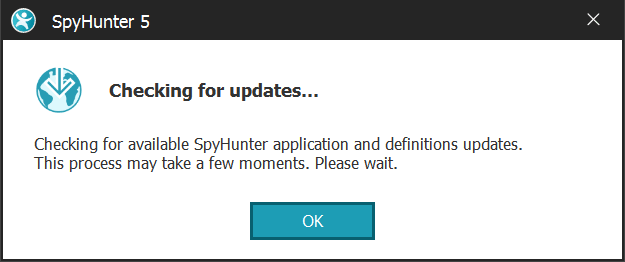
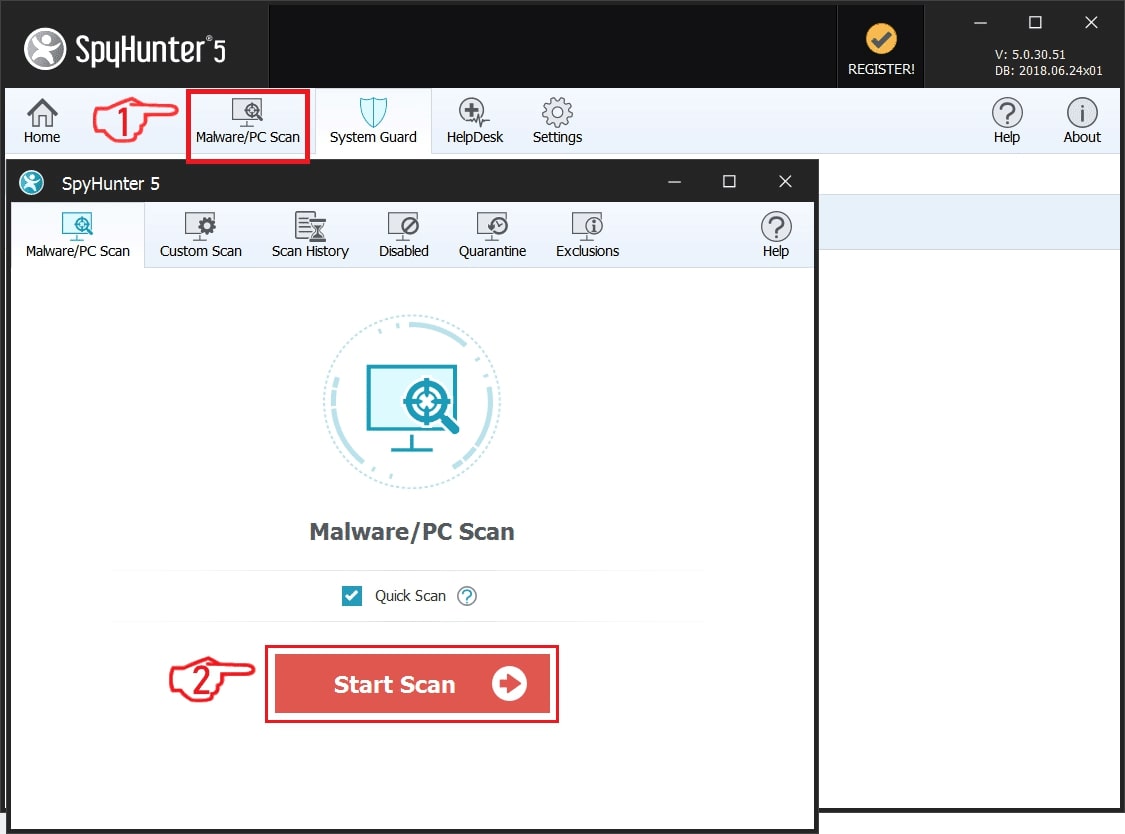
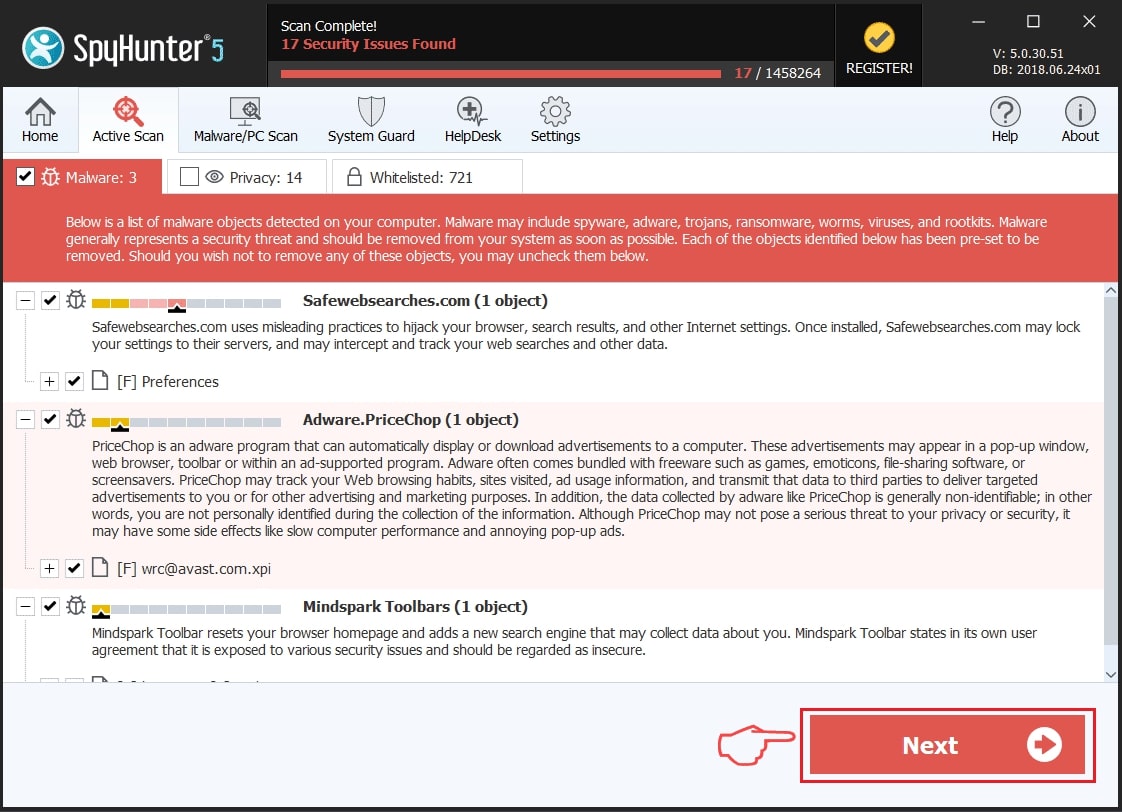
Step 2: Clean any registries, created by Rabbit Virus on your computer.
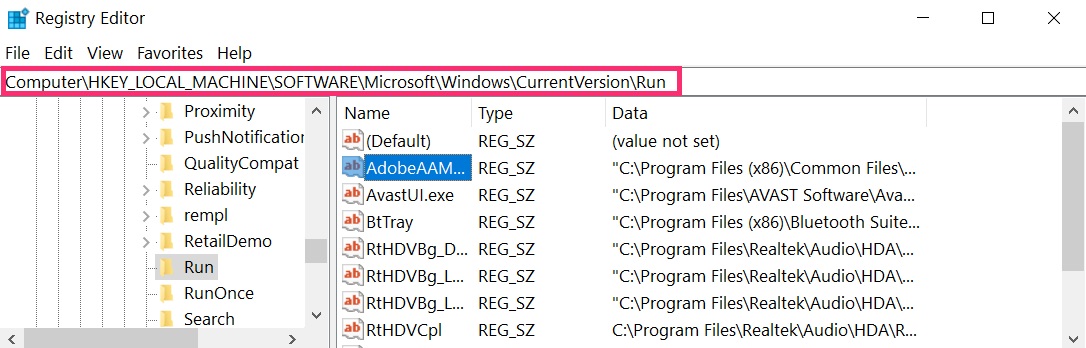
The usually targeted registries of Windows machines are the following:
- HKEY_LOCAL_MACHINE\Software\Microsoft\Windows\CurrentVersion\Run
- HKEY_CURRENT_USER\Software\Microsoft\Windows\CurrentVersion\Run
- HKEY_LOCAL_MACHINE\Software\Microsoft\Windows\CurrentVersion\RunOnce
- HKEY_CURRENT_USER\Software\Microsoft\Windows\CurrentVersion\RunOnce
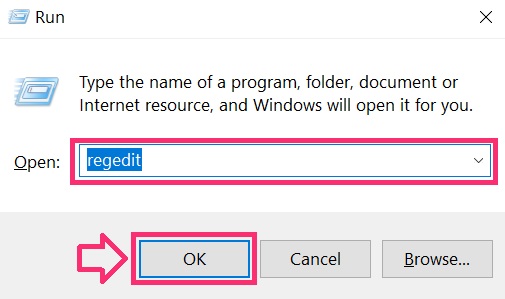
You can access them by opening the Windows registry editor and deleting any values, created by Rabbit Virus there. This can happen by following the steps underneath:
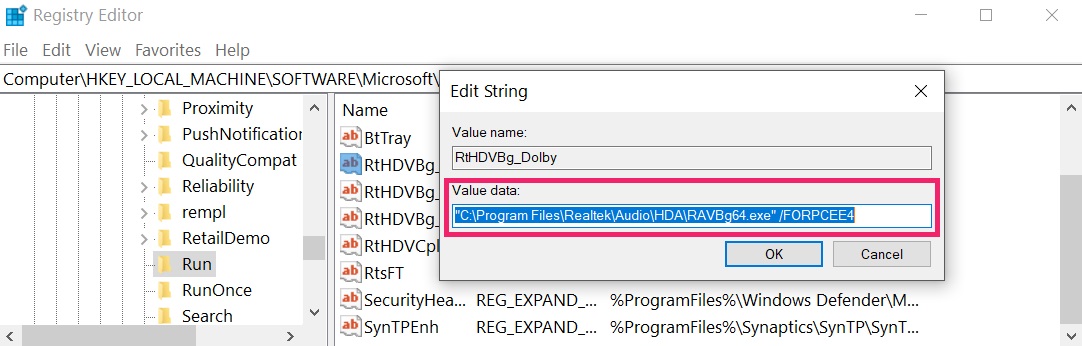 Tip: To find a virus-created value, you can right-click on it and click "Modify" to see which file it is set to run. If this is the virus file location, remove the value.
Step 3: Find virus files created by Rabbit Virus on your PC.
1.For Windows 8, 8.1 and 10.
For Newer Windows Operating Systems
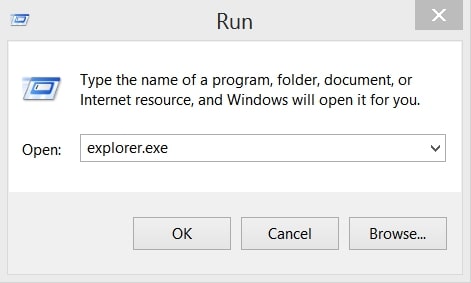
1: On your keyboard press + R and write explorer.exe in the Run text box and then click on the Ok button.
2: Click on your PC from the quick access bar. This is usually an icon with a monitor and its name is either “My Computer”, “My PC” or “This PC” or whatever you have named it.

3: Navigate to the search box in the top-right of your PC's screen and type “fileextension:” and after which type the file extension. If you are looking for malicious executables, an example may be "fileextension:exe". After doing that, leave a space and type the file name you believe the malware has created. Here is how it may appear if your file has been found:
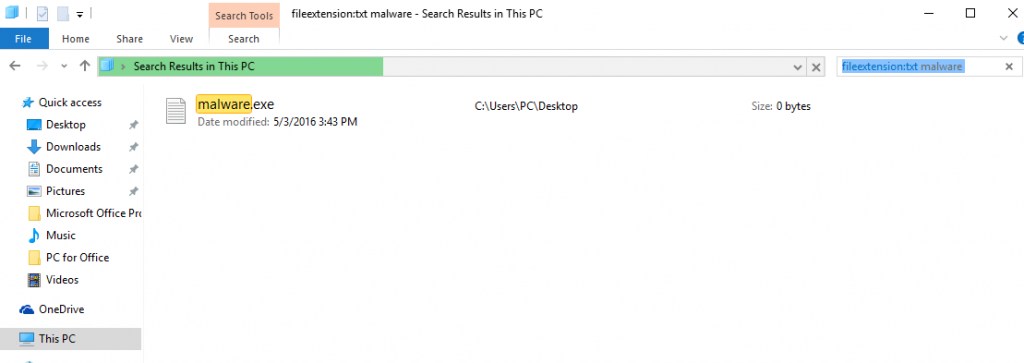
N.B. We recommend to wait for the green loading bar in the navigation box to fill up in case the PC is looking for the file and hasn't found it yet.
2.For Windows XP, Vista, and 7.
For Older Windows Operating Systems
In older Windows OS's the conventional approach should be the effective one:
1: Click on the Start Menu icon (usually on your bottom-left) and then choose the Search preference.
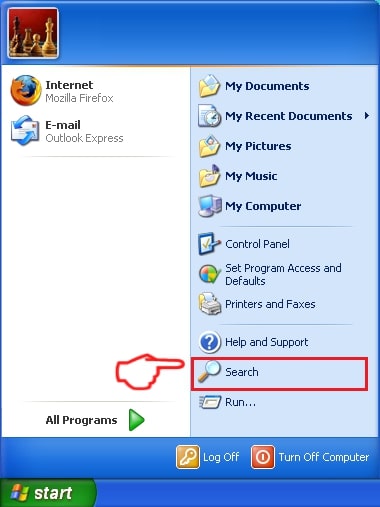
2: After the search window appears, choose More Advanced Options from the search assistant box. Another way is by clicking on All Files and Folders.
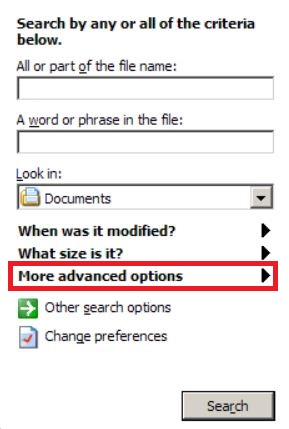
3: After that type the name of the file you are looking for and click on the Search button. This might take some time after which results will appear. If you have found the malicious file, you may copy or open its location by right-clicking on it.
Now you should be able to discover any file on Windows as long as it is on your hard drive and is not concealed via special software.
Rabbit Virus FAQ
What Does Rabbit Virus Trojan Do?
The Rabbit Virus Trojan is a malicious computer program designed to disrupt, damage, or gain unauthorized access to a computer system. It can be used to steal sensitive data, gain control over a system, or launch other malicious activities.
Can Trojans Steal Passwords?
Yes, Trojans, like Rabbit Virus, can steal passwords. These malicious programs are designed to gain access to a user's computer, spy on victims and steal sensitive information such as banking details and passwords.
Can Rabbit Virus Trojan Hide Itself?
Yes, it can. A Trojan can use various techniques to mask itself, including rootkits, encryption, and obfuscation, to hide from security scanners and evade detection.
Can a Trojan be Removed by Factory Reset?
Yes, a Trojan can be removed by factory resetting your device. This is because it will restore the device to its original state, eliminating any malicious software that may have been installed. Bear in mind that there are more sophisticated Trojans that leave backdoors and reinfect even after a factory reset.
Can Rabbit Virus Trojan Infect WiFi?
Yes, it is possible for a Trojan to infect WiFi networks. When a user connects to the infected network, the Trojan can spread to other connected devices and can access sensitive information on the network.
Can Trojans Be Deleted?
Yes, Trojans can be deleted. This is typically done by running a powerful anti-virus or anti-malware program that is designed to detect and remove malicious files. In some cases, manual deletion of the Trojan may also be necessary.
Can Trojans Steal Files?
Yes, Trojans can steal files if they are installed on a computer. This is done by allowing the malware author or user to gain access to the computer and then steal the files stored on it.
Which Anti-Malware Can Remove Trojans?
Anti-malware programs such as SpyHunter are capable of scanning for and removing Trojans from your computer. It is important to keep your anti-malware up to date and regularly scan your system for any malicious software.
Can Trojans Infect USB?
Yes, Trojans can infect USB devices. USB Trojans typically spread through malicious files downloaded from the internet or shared via email, allowing the hacker to gain access to a user's confidential data.
About the Rabbit Virus Research
The content we publish on SensorsTechForum.com, this Rabbit Virus how-to removal guide included, is the outcome of extensive research, hard work and our team’s devotion to help you remove the specific trojan problem.
How did we conduct the research on Rabbit Virus?
Please note that our research is based on an independent investigation. We are in contact with independent security researchers, thanks to which we receive daily updates on the latest malware definitions, including the various types of trojans (backdoor, downloader, infostealer, ransom, etc.)
Furthermore, the research behind the Rabbit Virus threat is backed with VirusTotal.
To better understand the threat posed by trojans, please refer to the following articles which provide knowledgeable details.