

Wildrig.exe is the main executable of WildRig Multi, a GPU cryptocurrency miner designed to mine altcoins using AMD and NVIDIA graphics cards. WildRig Multi has a legitimate use case as a voluntary mining tool, but Wildrig.exe is flagged as a trojan or potentially unwanted program when it appears on systems where the user did not deliberately install mining software. In unauthorized deployments, Wildrig.exe is distributed through malware – typically dropped by trojans, bundled with cracked software, or delivered through malicious script execution – and runs silently in the background to mine cryptocurrency for the attacker using the victim’s GPU and electricity.
Unauthorized cryptocurrency miner deployments using Wildrig.exe are categorized as trojanized miners or cryptojackers. The miner connects to mining pools controlled by the attacker, with all mined cryptocurrency credited to the attacker’s wallet. The victim bears the cost through reduced system performance, elevated GPU wear from sustained maximum load, increased electricity consumption, and reduced lifespan for GPU hardware running at continuous high temperatures. Wildrig.exe may be configured to throttle its activity when user-intensive processes are detected to avoid detection, resuming full mining activity when the system appears idle.
Wildrig.exe Short Overview
| Type | Cryptocurrency Miner / Trojan / Potentially Unwanted Program. Wildrig.exe is associated with WildRig Multi, a GPU cryptocurrency miner. When found on systems where no mining software was deliberately installed, it indicates a trojanized miner deployment through malware distribution channels. |
| Detection Names | Trojan.CoinMiner.Wildrig; PUA:Win32/WildRig; RiskTool.Win32.WildRig; CoinMiner.Wildrig; Trojan.GenericKD.WildRigMiner (various AV vendors) |
| Symptoms | Wildrig.exe process consuming significant CPU and GPU resources in Task Manager; system fan running at sustained high speed during periods of low user activity; GPU temperature elevated above normal idle levels; antivirus detection triggered for Wildrig.exe or associated files; system performance noticeably slower for gaming and other GPU-intensive applications; electricity consumption increase consistent with continuous GPU load; Wildrig.exe appearing in startup entries or scheduled tasks |
| Removal Time | Approximately 15 minutes for a full-system scan |
| Removal Tool | See If Your System Has Been Affected by malware
Download
Malware Removal Tool
|
How Did Wildrig.exe Get on My Computer?
- Cracked software and game installers – pirated software packages, game cracks, and keygens distribute Wildrig.exe as a hidden payload bundled with the installer. The miner is extracted and executed as part of the crack installation process.
- Malware dropper – other malware already running on the system downloads and deploys Wildrig.exe as a secondary payload, adding a mining component alongside other malicious functions.
- Malicious script execution – PowerShell or batch scripts distributed through phishing emails, malicious Office document macros, or compromised websites download and execute Wildrig.exe silently.
- Fake software updates – pages presenting fake browser, driver, or system update prompts deliver Wildrig.exe disguised as the update package.
What Does Wildrig.exe Do?
- GPU cryptocurrency mining – Wildrig.exe runs the GPU at sustained maximum load to mine altcoins (Ravencoin, Ergo, Ethereum Classic, and other GPU-mineable coins) for the attacker’s wallet.
- Mining pool connection – the miner connects to attacker-controlled mining pool addresses to receive work and submit solved hashes, with rewards credited to the attacker.
- Process throttling to avoid detection – some Wildrig.exe deployments include logic to reduce mining intensity when Task Manager is open or user-intensive applications are running, resuming full load when the system appears unmonitored.
- Persistence through startup entries – Wildrig.exe installs registry startup entries, scheduled tasks, or service entries to relaunch after system reboots, maintaining continuous mining operations.
- Hardware wear – sustained GPU load at maximum intensity accelerates GPU hardware degradation and increases failure risk beyond normal usage patterns.
How to Remove Wildrig.exe
- End the Wildrig.exe process in Task Manager – press Ctrl + Shift + Esc, locate Wildrig.exe under the Processes tab, right-click and select End Task.
- Locate and delete Wildrig.exe files – search for Wildrig.exe in Windows Explorer. Common locations include AppDataRoaming, AppDataLocal, ProgramData, and subfolders of the user profile directory. Delete all instances found.
- Remove persistence mechanisms – open Task Manager – Startup tab and disable any Wildrig-related entry. Open Task Scheduler and check for Wildrig-associated scheduled tasks under Task Scheduler Library. Check Services (services.msc) for any unfamiliar service associated with the miner.
- Check the registry for startup entries – open Registry Editor (regedit) and check HKEY_CURRENT_USERSoftwareMicrosoftWindowsCurrentVersionRun and the equivalent HKEY_LOCAL_MACHINE path for any Wildrig entry. Delete entries found.
- Uninstall any software that arrived with the Wildrig.exe deployment – check Control Panel – Programs and Features for recently installed programs.
- Scan with SpyHunter to detect and remove Wildrig.exe, associated files, and any dropper or secondary malware components that deployed the miner.

Ventsislav Krastev
Ventsislav is a cybersecurity expert at SensorsTechForum since 2015. He has been researching, covering, helping victims with the latest malware infections plus testing and reviewing software and the newest tech developments. Having graduated Marketing as well, Ventsislav also has passion for learning new shifts and innovations in cybersecurity that become game changers. After studying Value Chain Management, Network Administration and Computer Administration of System Applications, he found his true calling within the cybersecrurity industry and is a strong believer in the education of every user towards online safety and security.
Follow Me:
Preparation before removing Wildrig.exe.
Before starting the actual removal process, we recommend that you do the following preparation steps.
- Make sure you have these instructions always open and in front of your eyes.
- Do a backup of all of your files, even if they could be damaged. You should back up your data with a cloud backup solution and insure your files against any type of loss, even from the most severe threats.
- Be patient as this could take a while.
- Scan for Malware
- Fix Registries
- Remove Virus Files
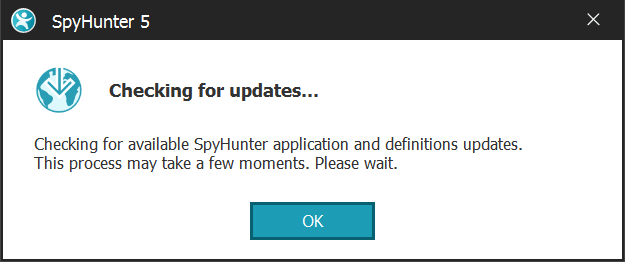
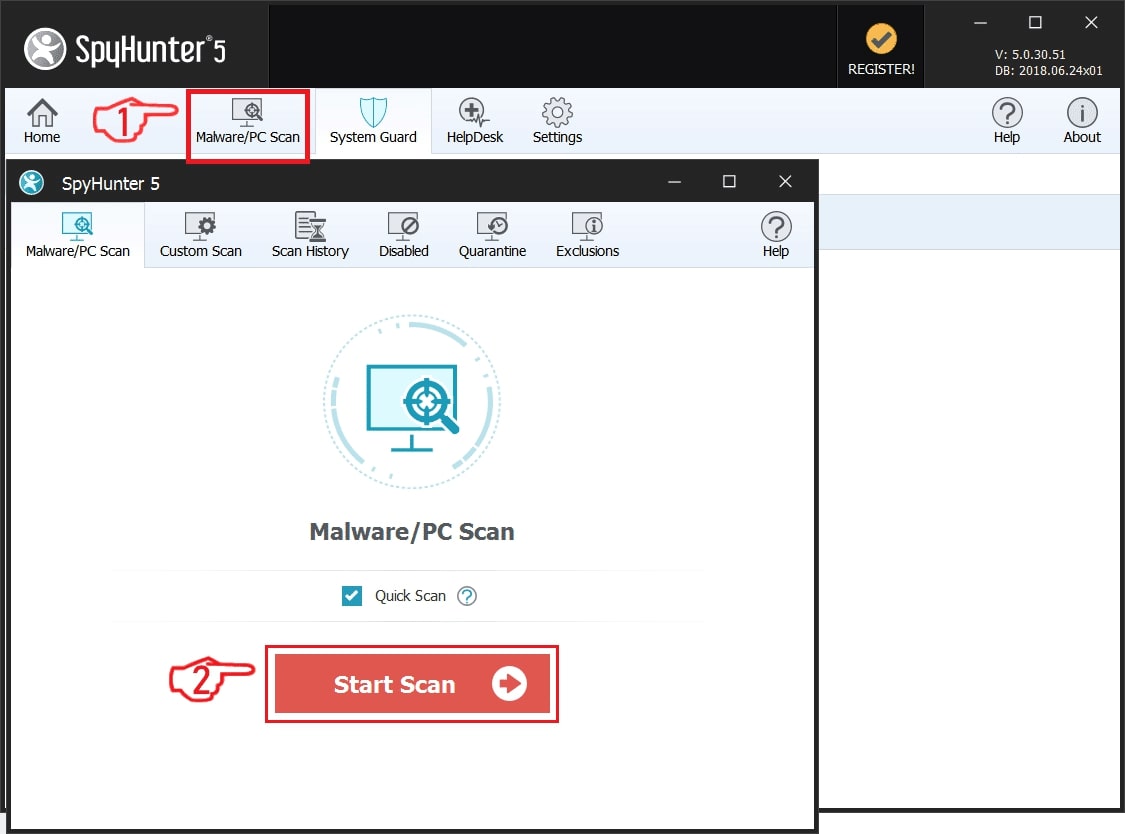
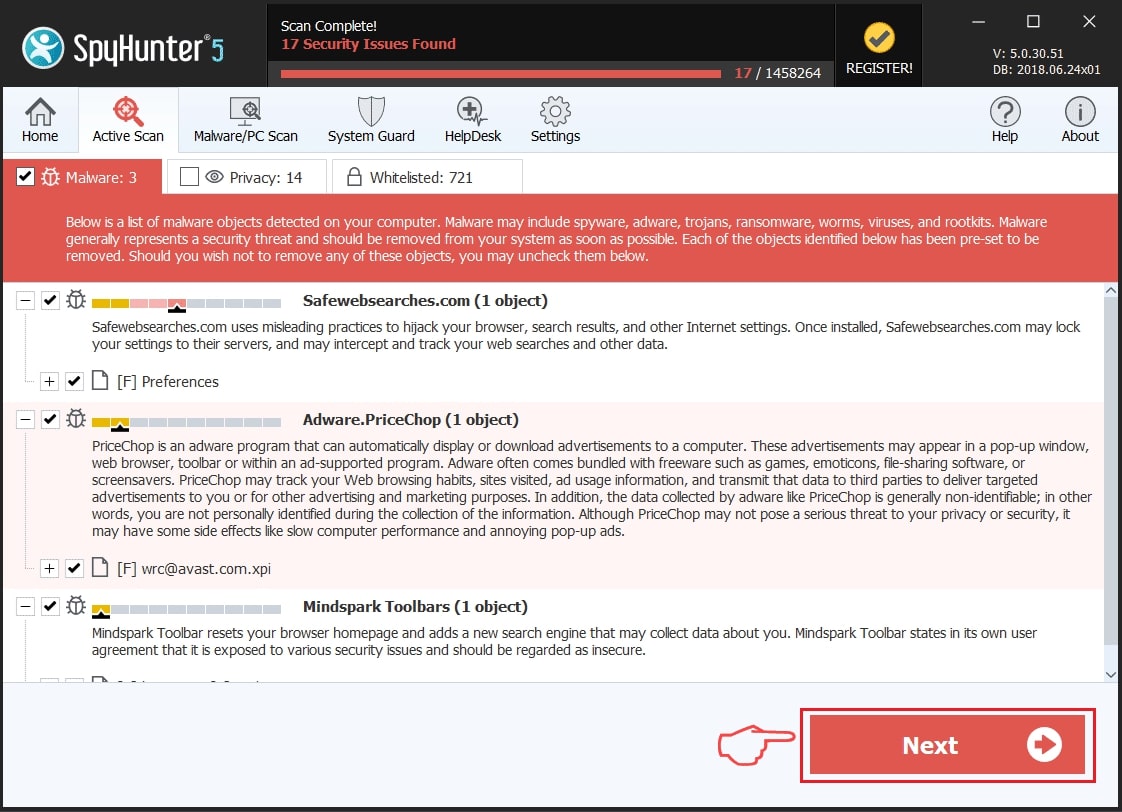
Step 1: Scan for Wildrig.exe with SpyHunter Anti-Malware Tool
Step 2: Clean any registries, created by Wildrig.exe on your computer.
The usually targeted registries of Windows machines are the following:
- HKEY_LOCAL_MACHINE\Software\Microsoft\Windows\CurrentVersion\Run
- HKEY_CURRENT_USER\Software\Microsoft\Windows\CurrentVersion\Run
- HKEY_LOCAL_MACHINE\Software\Microsoft\Windows\CurrentVersion\RunOnce
- HKEY_CURRENT_USER\Software\Microsoft\Windows\CurrentVersion\RunOnce
You can access them by opening the Windows registry editor and deleting any values, created by Wildrig.exe there. This can happen by following the steps underneath:
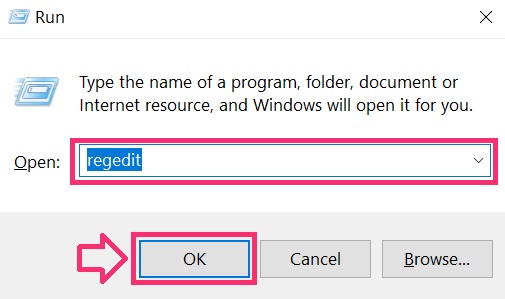
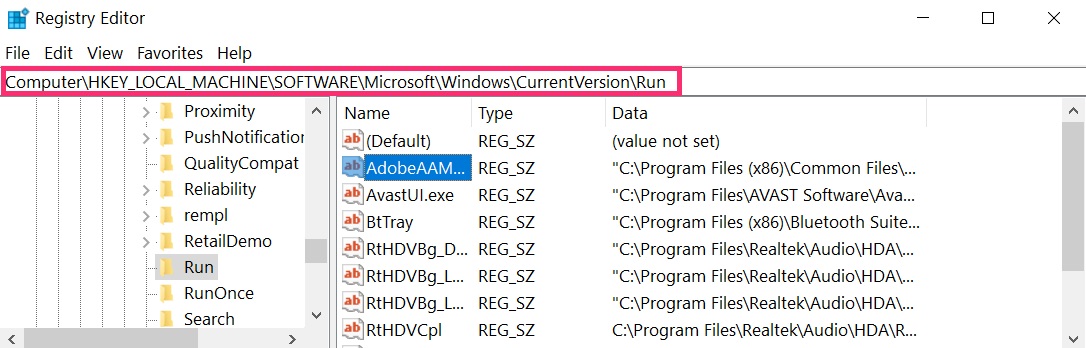
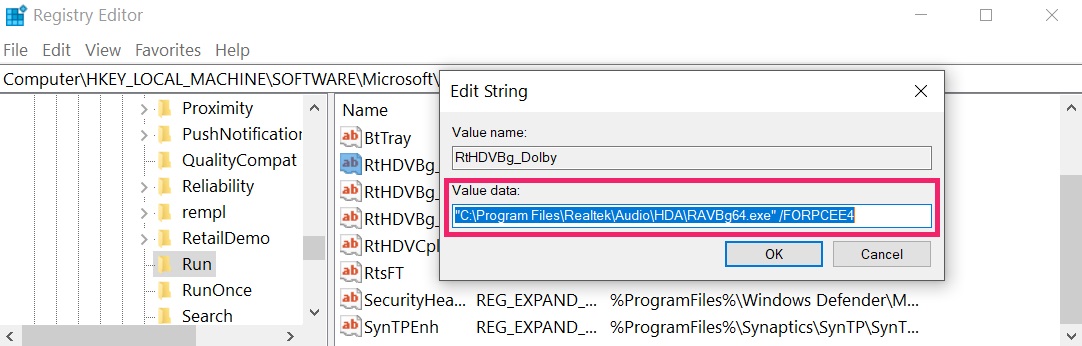 Tip: To find a virus-created value, you can right-click on it and click "Modify" to see which file it is set to run. If this is the virus file location, remove the value.
Step 3: Find virus files created by Wildrig.exe on your PC.
1.For Windows 8, 8.1 and 10.
For Newer Windows Operating Systems
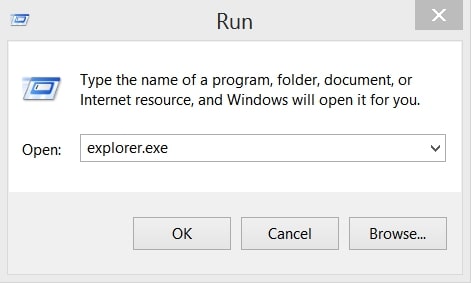
1: On your keyboard press + R and write explorer.exe in the Run text box and then click on the Ok button.
2: Click on your PC from the quick access bar. This is usually an icon with a monitor and its name is either “My Computer”, “My PC” or “This PC” or whatever you have named it.
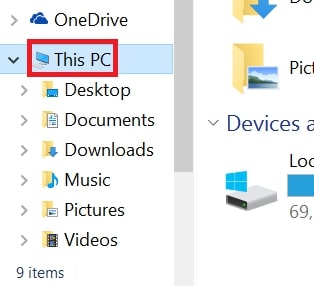
3: Navigate to the search box in the top-right of your PC's screen and type “fileextension:” and after which type the file extension. If you are looking for malicious executables, an example may be "fileextension:exe". After doing that, leave a space and type the file name you believe the malware has created. Here is how it may appear if your file has been found:
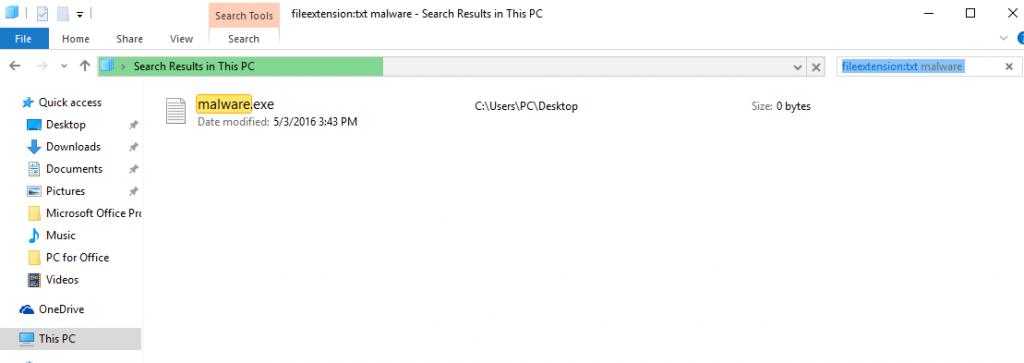
N.B. We recommend to wait for the green loading bar in the navigation box to fill up in case the PC is looking for the file and hasn't found it yet.
2.For Windows XP, Vista, and 7.
For Older Windows Operating Systems
In older Windows OS's the conventional approach should be the effective one:
1: Click on the Start Menu icon (usually on your bottom-left) and then choose the Search preference.
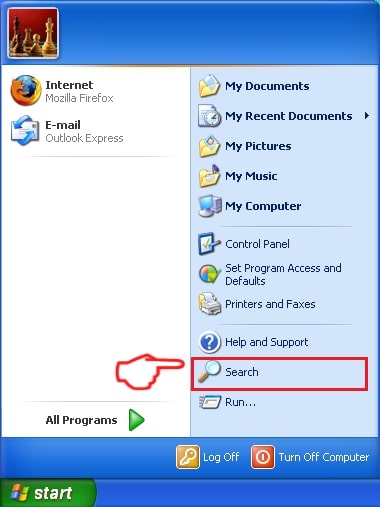
2: After the search window appears, choose More Advanced Options from the search assistant box. Another way is by clicking on All Files and Folders.
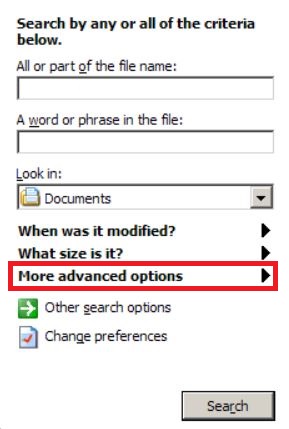
3: After that type the name of the file you are looking for and click on the Search button. This might take some time after which results will appear. If you have found the malicious file, you may copy or open its location by right-clicking on it.
Now you should be able to discover any file on Windows as long as it is on your hard drive and is not concealed via special software.
Wildrig.exe FAQ
What Does Wildrig.exe Trojan Do?
The Wildrig.exe Trojan is a malicious computer program designed to disrupt, damage, or gain unauthorized access to a computer system. It can be used to steal sensitive data, gain control over a system, or launch other malicious activities.
Can Trojans Steal Passwords?
Yes, Trojans, like Wildrig.exe, can steal passwords. These malicious programs are designed to gain access to a user's computer, spy on victims and steal sensitive information such as banking details and passwords.
Can Wildrig.exe Trojan Hide Itself?
Yes, it can. A Trojan can use various techniques to mask itself, including rootkits, encryption, and obfuscation, to hide from security scanners and evade detection.
Can a Trojan be Removed by Factory Reset?
Yes, a Trojan can be removed by factory resetting your device. This is because it will restore the device to its original state, eliminating any malicious software that may have been installed. Bear in mind that there are more sophisticated Trojans that leave backdoors and reinfect even after a factory reset.
Can Wildrig.exe Trojan Infect WiFi?
Yes, it is possible for a Trojan to infect WiFi networks. When a user connects to the infected network, the Trojan can spread to other connected devices and can access sensitive information on the network.
Can Trojans Be Deleted?
Yes, Trojans can be deleted. This is typically done by running a powerful anti-virus or anti-malware program that is designed to detect and remove malicious files. In some cases, manual deletion of the Trojan may also be necessary.
Can Trojans Steal Files?
Yes, Trojans can steal files if they are installed on a computer. This is done by allowing the malware author or user to gain access to the computer and then steal the files stored on it.
Which Anti-Malware Can Remove Trojans?
Anti-malware programs such as SpyHunter are capable of scanning for and removing Trojans from your computer. It is important to keep your anti-malware up to date and regularly scan your system for any malicious software.
Can Trojans Infect USB?
Yes, Trojans can infect USB devices. USB Trojans typically spread through malicious files downloaded from the internet or shared via email, allowing the hacker to gain access to a user's confidential data.
About the Wildrig.exe Research
The content we publish on SensorsTechForum.com, this Wildrig.exe how-to removal guide included, is the outcome of extensive research, hard work and our team’s devotion to help you remove the specific trojan problem.
How did we conduct the research on Wildrig.exe?
Please note that our research is based on an independent investigation. We are in contact with independent security researchers, thanks to which we receive daily updates on the latest malware definitions, including the various types of trojans (backdoor, downloader, infostealer, ransom, etc.)
Furthermore, the research behind the Wildrig.exe threat is backed with VirusTotal.
To better understand the threat posed by trojans, please refer to the following articles which provide knowledgeable details.