

What is Securesweep.pro?
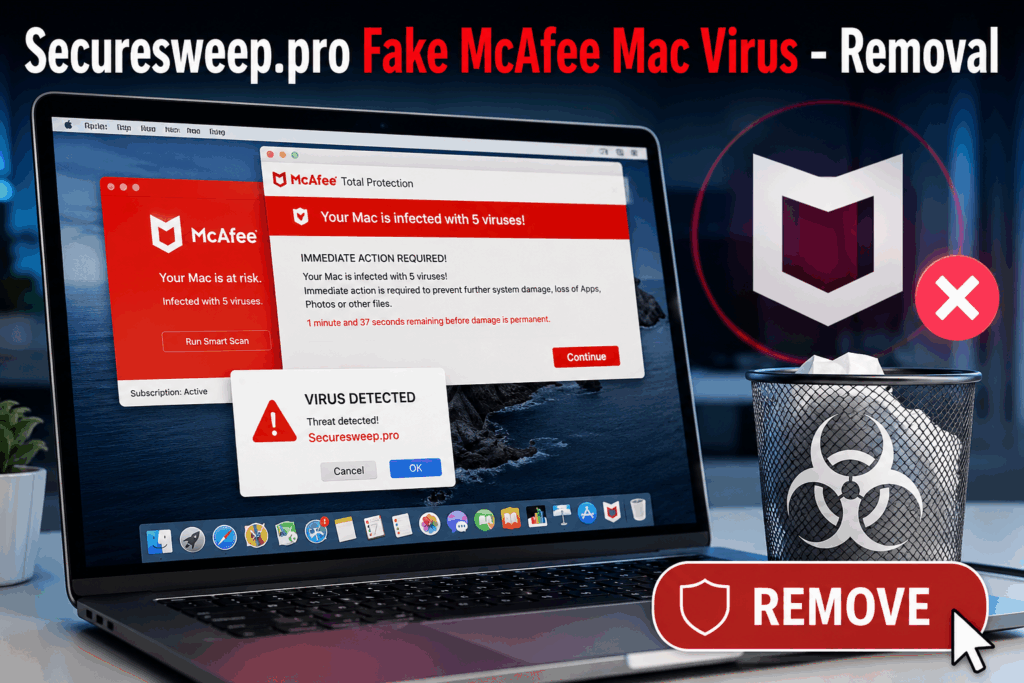
A pop-up notification or browser alert appeared appearing to come from McAfee or Norton warning that your Mac is infected or your subscription has expired, and it traces back to securesweep.pro. Read this removal guide right now – this is not a real McAfee or Norton alert, and securesweep.pro is a confirmed malicious domain.
Securesweep.pro is explicitly blocked by Malwarebytes because it is associated with phishing – Malwarebytes’ official detection page confirms that websites on this domain show fake virus warnings to scare visitors into volunteering personal information. HowToRemove.guide classifies it as a browser hijacker that gets a foothold in the browser through notification permissions, then uses those permissions to deliver fake security warnings at all hours. The McAfee or Norton name appears in those warnings because familiar security branding makes the message feel credible enough to act on – securesweep.pro is borrowing recognition from names users already trust, without any connection to those companies. The goal is to push the visitor toward a phishing page, a fake subscription purchase, or a fraudulent tech support interaction. SpyHunter is confirmed to successfully detect and remove Securesweep.pro.
Securesweep.pro Short Overview
| Type | Confirmed phishing and browser hijacker domain explicitly blocked by Malwarebytes as associated with phishing. Displays fake McAfee and Norton virus alerts through browser push notification permissions to scare visitors into submitting personal information or payment details. Classified as a browser hijacker by HowToRemove.guide alongside Hotbcojobu.today and EasySearching.net. SpyHunter confirmed to successfully remove it. |
| Symptoms | Browser notifications from Securesweep.pro claiming the Mac is infected with viruses styled as official McAfee or Norton security alerts. A notification or pop-up displaying a phone number for fake tech support alongside a virus count. A phishing page appearing when a security notification from Securesweep.pro is clicked, asking for Apple ID, payment card, or personal details. Browser redirecting to Securesweep.pro or its associated pages without deliberate navigation. |
| Removal Time | Approximately 15 minutes for a full-system scan |
| Removal Tool | See If Your System Has Been Affected by malware
Download
Malware Removal Tool
|
How Did I Get Securesweep.pro Pop-ups?
Here is how Securesweep.pro typically gains access to the browser:
- A notification permission granted during browsing – The most documented route for browser-based hijackers like Securesweep.pro: a redirect on a low-quality site presented a “Click Allow to confirm” or “Press Allow to continue” prompt. Clicking granted the domain permanent push notification permissions, which it now uses to deliver fake McAfee or Norton security alerts through the browser notification system.
- An adware or browser extension generating the redirects – If the browser is being redirected to Securesweep.pro repeatedly without deliberate navigation, an adware program or rogue extension installed through software bundling is generating the redirects.
- A malicious advertising redirect chain – An ad click on a disreputable streaming or download site can route through a chain of automatic malicious redirects that land on the Securesweep.pro notification permission prompt without deliberate navigation.
- A fake “Your Mac is infected” browser page – A redirect during Mac browsing can present a full-screen page impersonating McAfee or Norton claiming to have detected multiple viruses, and the “allow notifications” prompt appears as part of the fake remediation flow.
What Does Securesweep.pro Do?
Malwarebytes and HowToRemove.guide confirm the following behavior. Here is the full documented picture:
- Displays fake McAfee or Norton virus alerts as browser notifications – Notifications styled to look exactly like official McAfee or Norton security warnings appear on the Mac desktop regardless of whether the browser is open, claiming the device is infected with a specific number of threats and directing the user to click through to a phishing page.
- Scares visitors into volunteering personal information – The fake security warnings lead to phishing pages designed to collect Apple ID credentials, payment card details, or personal information under the guise of renewing antivirus protection or paying to remove detected threats.
- May push toward fake tech support interactions – Some variants display a phone number alongside the security alert, directing Mac users to call a fraudulent tech support line where operators attempt to sell fake cleanup services or gain remote access to the device.
- Collects behavioral data through embedded trackers – Embedded trackers collect IP address, device data, and click behavior for data collection and retargeting throughout every interaction with the domain.
How to Remove Securesweep.pro
Do not click any notification from Securesweep.pro and do not call any number displayed in its alerts – the alerts are not from McAfee or Norton. Open Safari’s notification settings (Safari menu, then Settings or Preferences, then Websites, then Notifications) and remove Securesweep.pro. In Chrome on Mac: Settings, then Privacy and Security, then Site Settings, then Notifications, then remove the domain and select Block. Check Safari and Chrome extensions and remove anything unfamiliar. If the alerts continue after revoking the notification permission, check System Preferences (or System Settings) under Profiles for any configuration profile that was not deliberately installed – if one is present, delete it before making any other browser changes. Run a full scan with a dedicated anti-malware tool – SpyHunter is confirmed to successfully remove Securesweep.pro – to identify any adware component generating underlying redirects. If a phishing page was visited and personal or payment information was submitted, change those credentials from a clean device immediately and monitor financial accounts. Follow the complete removal guide below this article for the full steps across Mac, Windows, and Android.

Ventsislav Krastev
Ventsislav is a cybersecurity expert at SensorsTechForum since 2015. He has been researching, covering, helping victims with the latest malware infections plus testing and reviewing software and the newest tech developments. Having graduated Marketing as well, Ventsislav also has passion for learning new shifts and innovations in cybersecurity that become game changers. After studying Value Chain Management, Network Administration and Computer Administration of System Applications, he found his true calling within the cybersecrurity industry and is a strong believer in the education of every user towards online safety and security.
Follow Me:
Steps to Prepare Before Removal:
Before starting to follow the steps below, be advised that you should first do the following preparations:
- Backup your files in case the worst happens.
- Make sure to have a device with these instructions on standy.
- Arm yourself with patience.
- 1. Scan for Mac Malware
- 2. Uninstall Risky Apps
- 3. Clean Your Browsers
Step 1: Scan for and remove Securesweep.pro files from your Mac
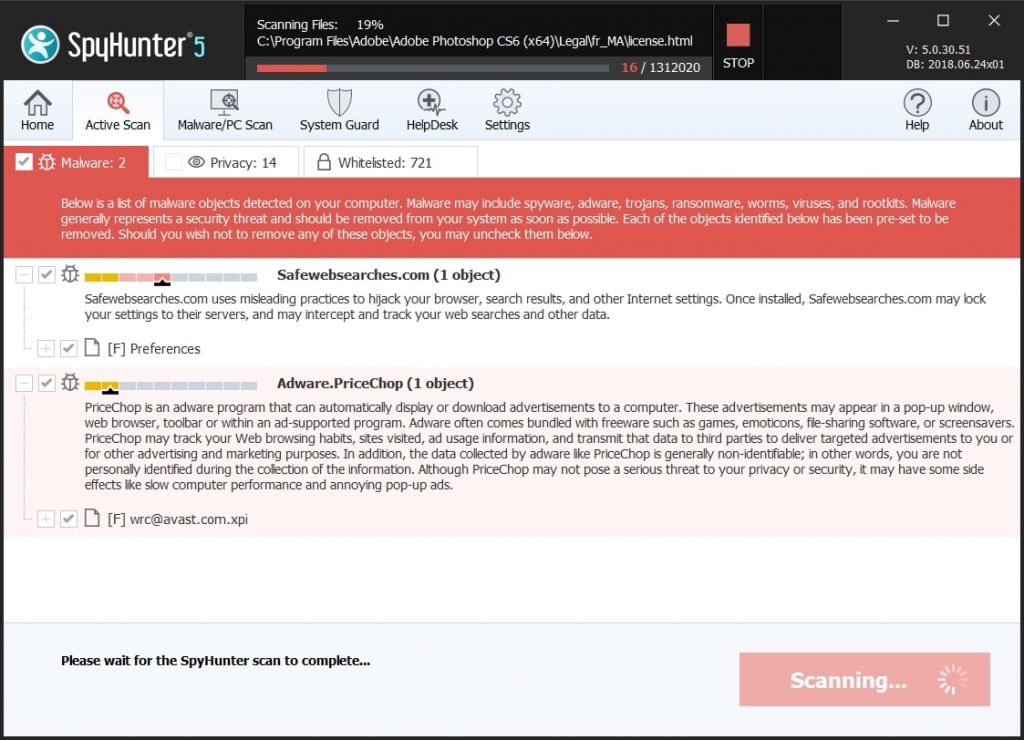
When you are facing problems on your Mac as a result of unwanted scripts and programs such as Securesweep.pro, the recommended way of eliminating the threat is by using an anti-malware program. SpyHunter for Mac offers advanced security features along with other modules that will improve your Mac’s security and protect it in the future.
Quick and Easy Mac Malware Video Removal Guide
Bonus Step: How to Make Your Mac Run Faster?
Mac machines maintain probably the fastest operating system out there. Still, Macs do become slow and sluggish sometimes. The video guide below examines all of the possible problems that may lead to your Mac being slower than usual as well as all of the steps that can help you to speed up your Mac.
Step 2: Uninstall Securesweep.pro and remove related files and objects
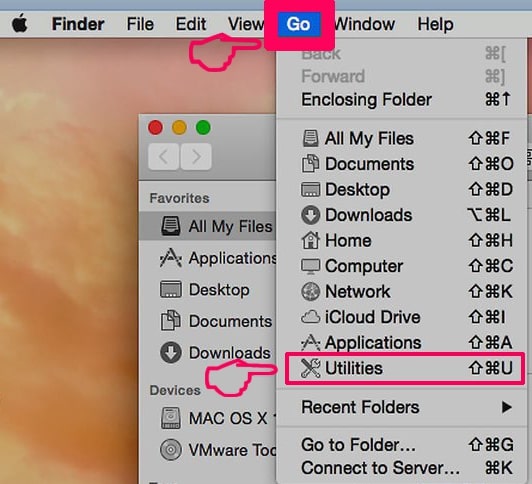
1. Hit the ⇧+⌘+U keys to open Utilities. Another way is to click on “Go” and then click “Utilities”, like the image below shows:
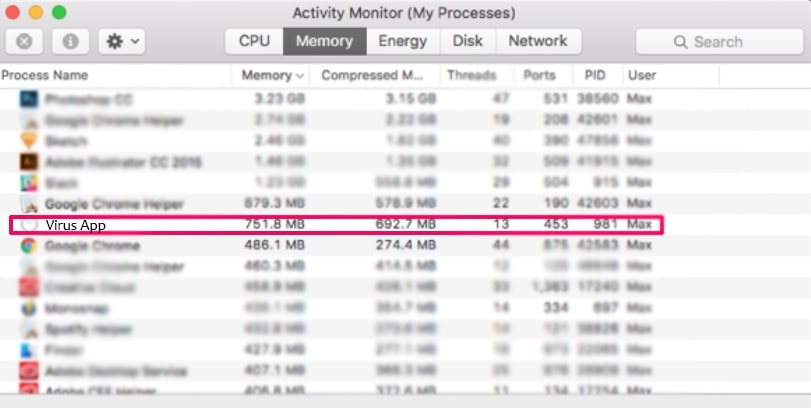
2. Find Activity Monitor and double-click it:
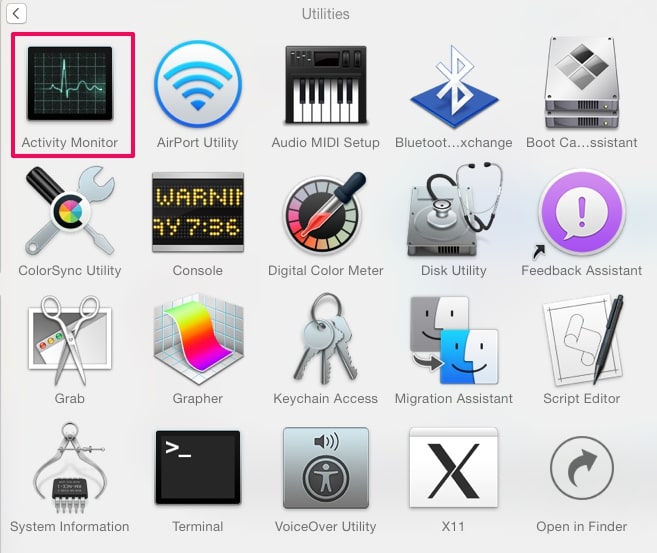
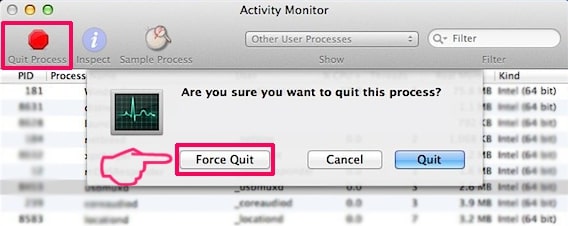
3. In the Activity Monitor look for any suspicious processes, belonging or related to Securesweep.pro:
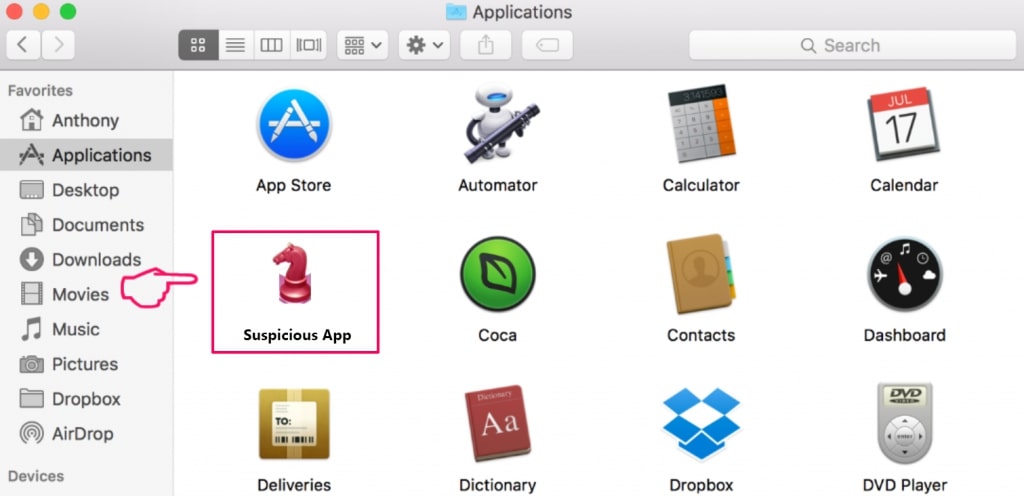
4. Click on the "Go" button again, but this time select Applications. Another way is with the ⇧+⌘+A buttons.
5. In the Applications menu, look for any suspicious app or an app with a name, similar or identical to Securesweep.pro. If you find it, right-click on the app and select “Move to Trash”.
6. Select Accounts, after which click on the Login Items preference. Your Mac will then show you a list of items that start automatically when you log in. Look for any suspicious apps identical or similar to Securesweep.pro. Check the app you want to stop from running automatically and then select on the Minus (“-“) icon to hide it.
7. Remove any leftover files that might be related to this threat manually by following the sub-steps below:
- Go to Finder.
- In the search bar type the name of the app that you want to remove.
- Above the search bar change the two drop down menus to “System Files” and “Are Included” so that you can see all of the files associated with the application you want to remove. Bear in mind that some of the files may not be related to the app so be very careful which files you delete.
- If all of the files are related, hold the ⌘+A buttons to select them and then drive them to “Trash”.
In case you cannot remove Securesweep.pro via Step 1 above:
In case you cannot find the virus files and objects in your Applications or other places we have shown above, you can manually look for them in the Libraries of your Mac. But before doing this, please read the disclaimer below:
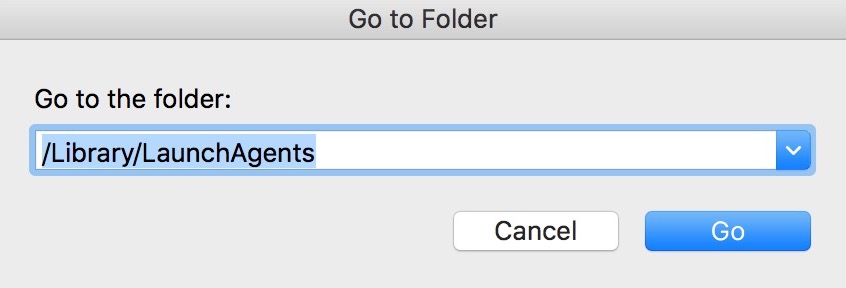
1. Click on "Go" and Then "Go to Folder" as shown underneath:
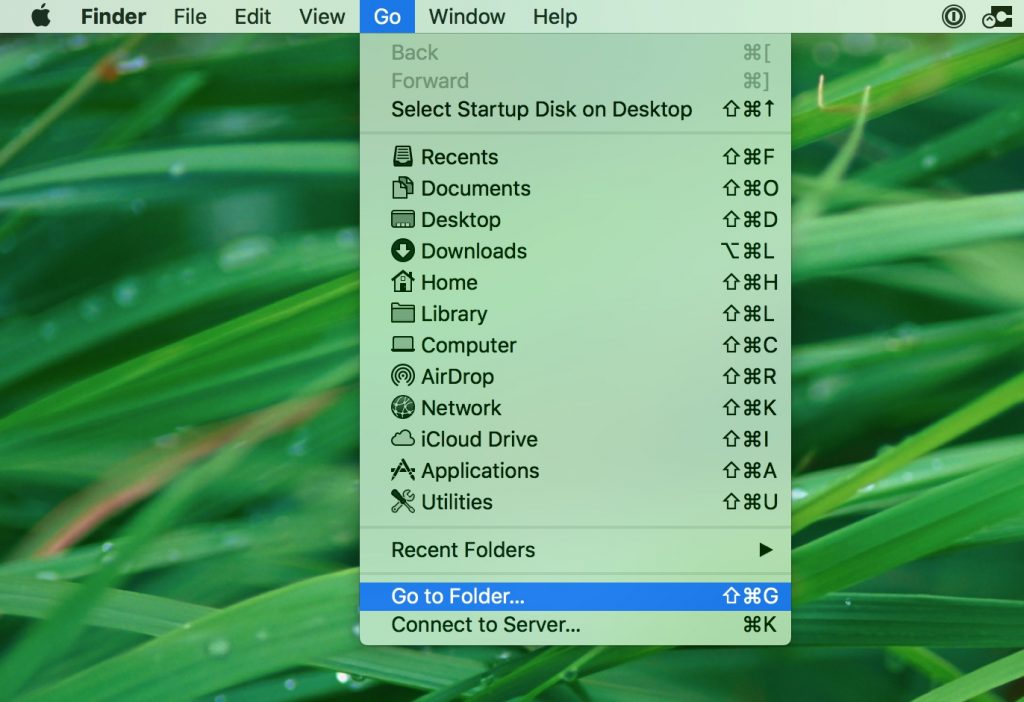
2. Type in "/Library/LauchAgents/" and click Ok:
3. Delete all of the virus files that have similar or the same name as Securesweep.pro. If you believe there is no such file, do not delete anything.
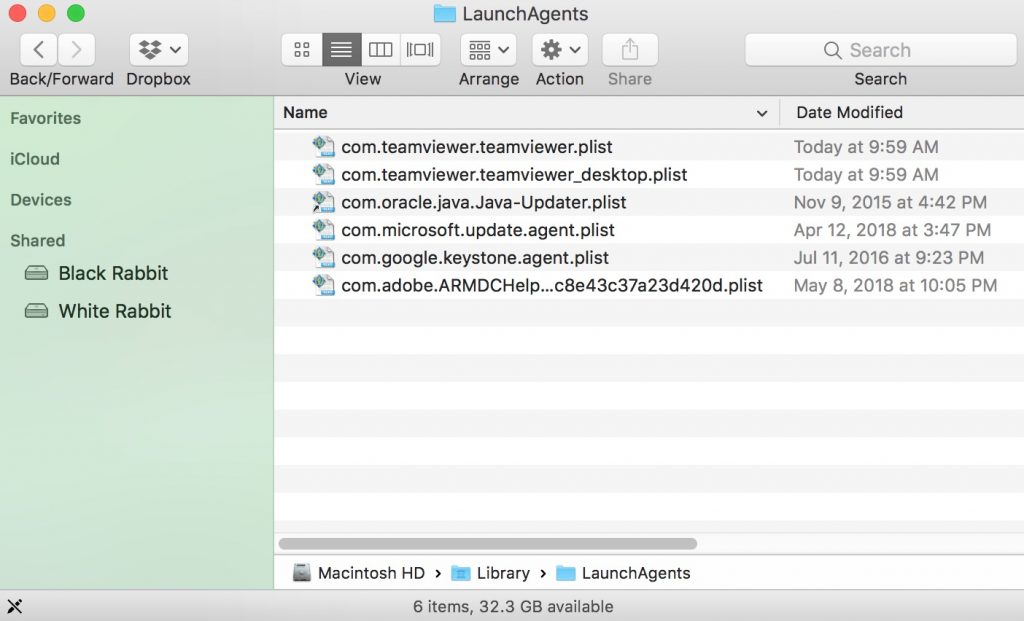
You can repeat the same procedure with the following other Library directories:
→ ~/Library/LaunchAgents
/Library/LaunchDaemons
Tip: ~ is there on purpose, because it leads to more LaunchAgents.
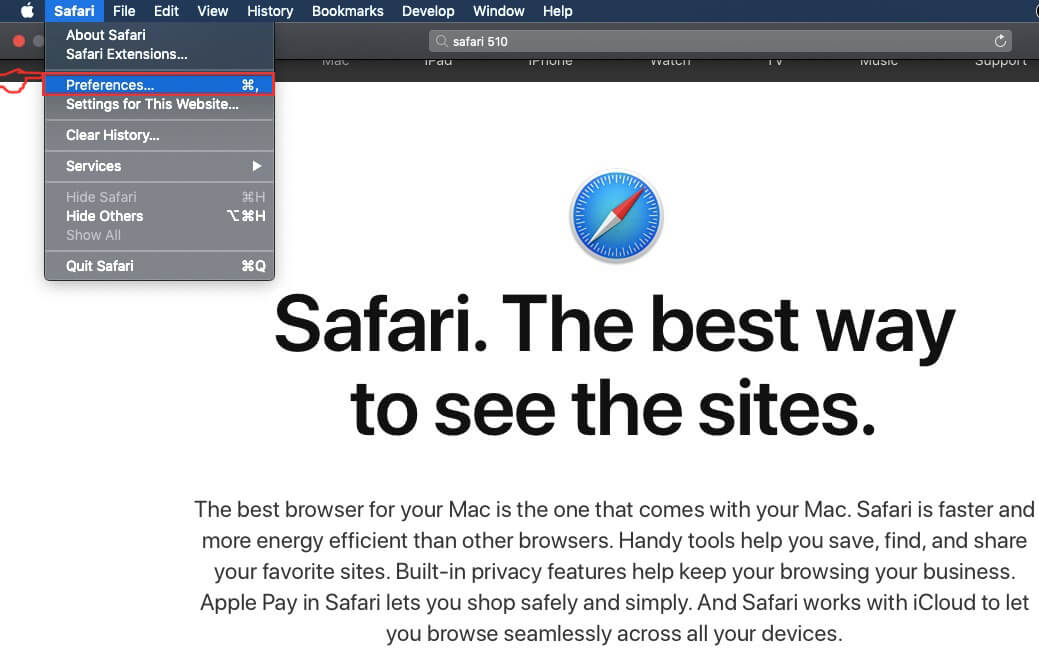
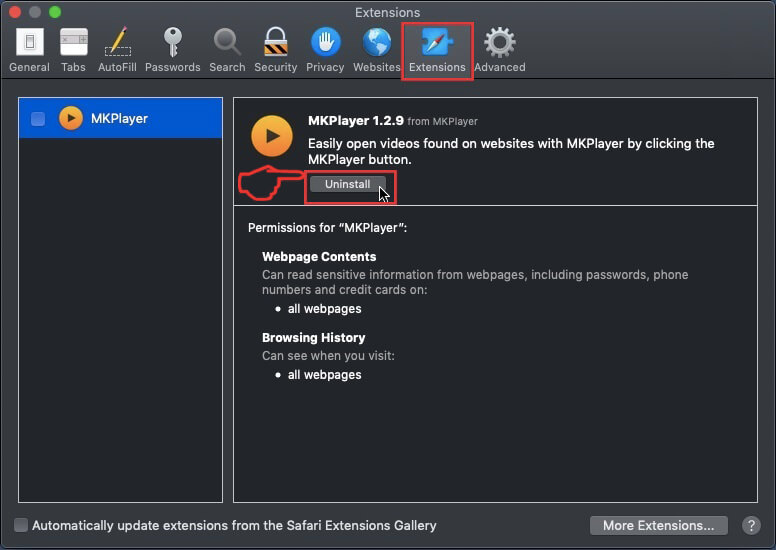
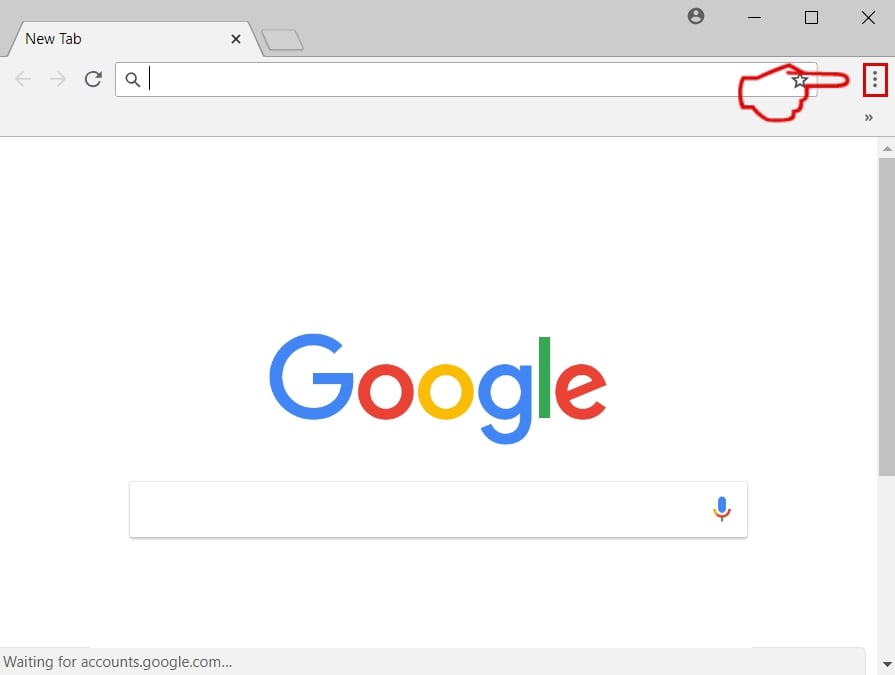
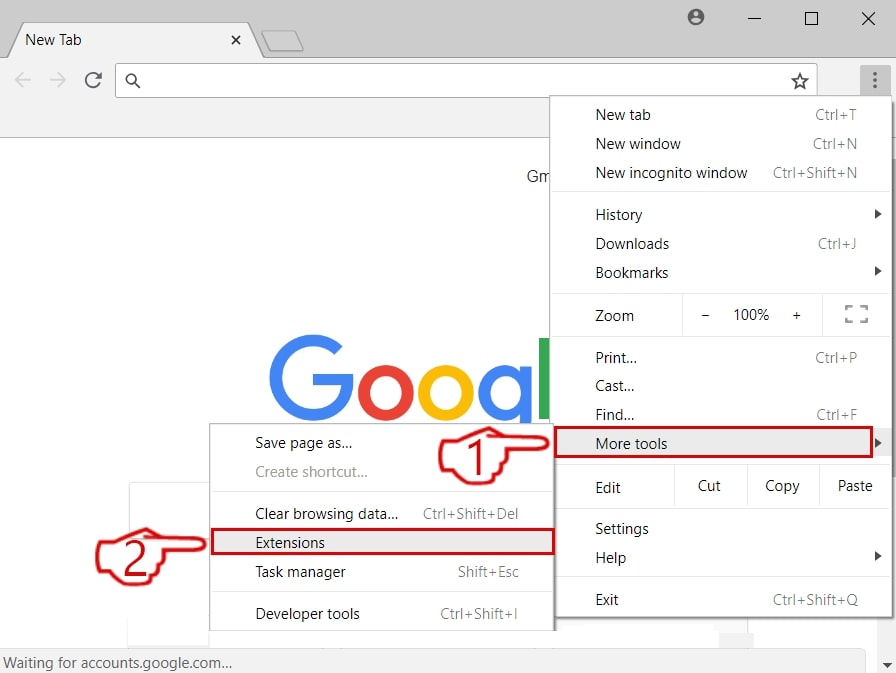
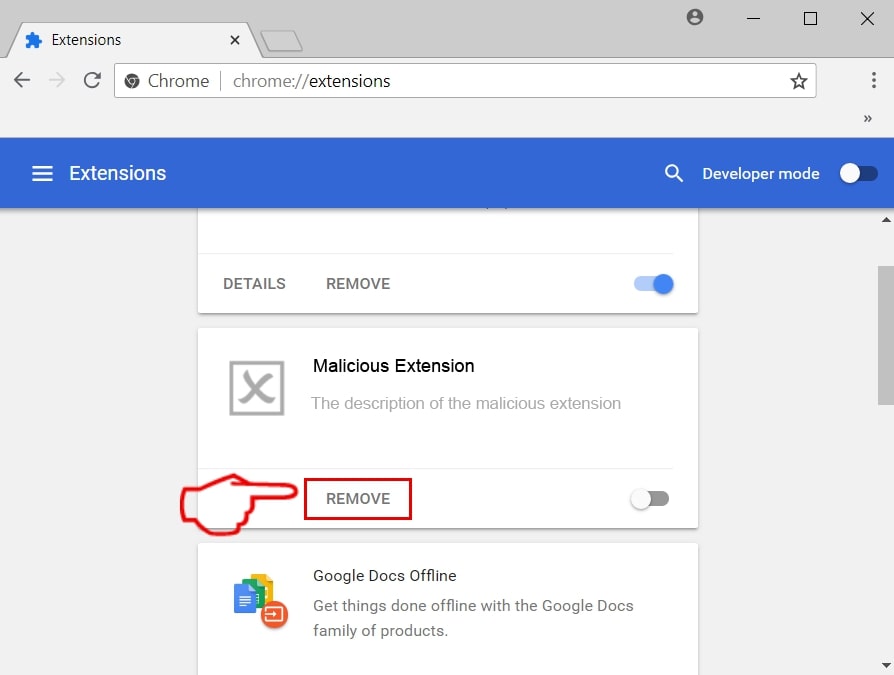
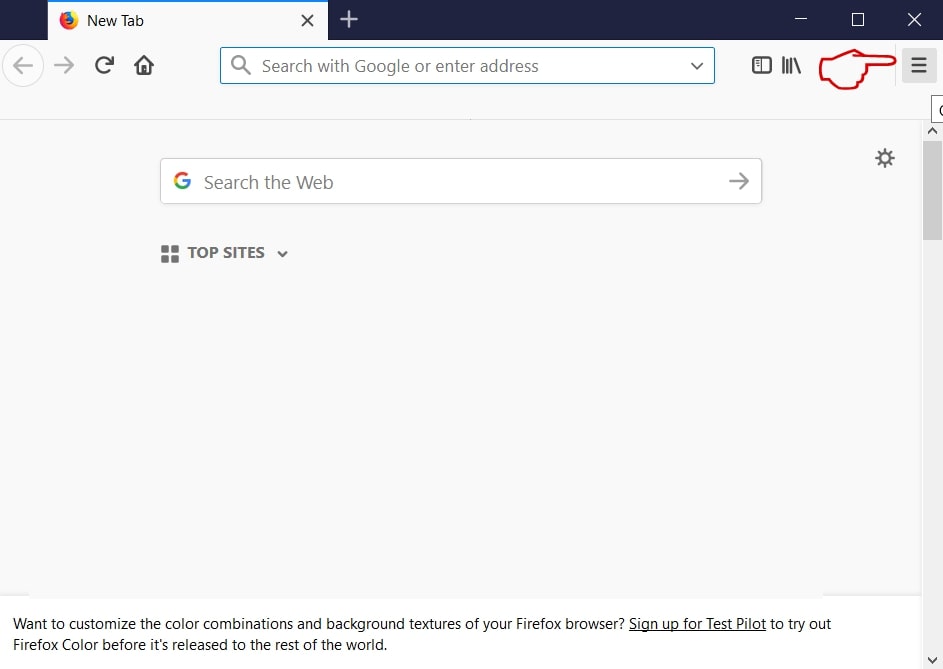
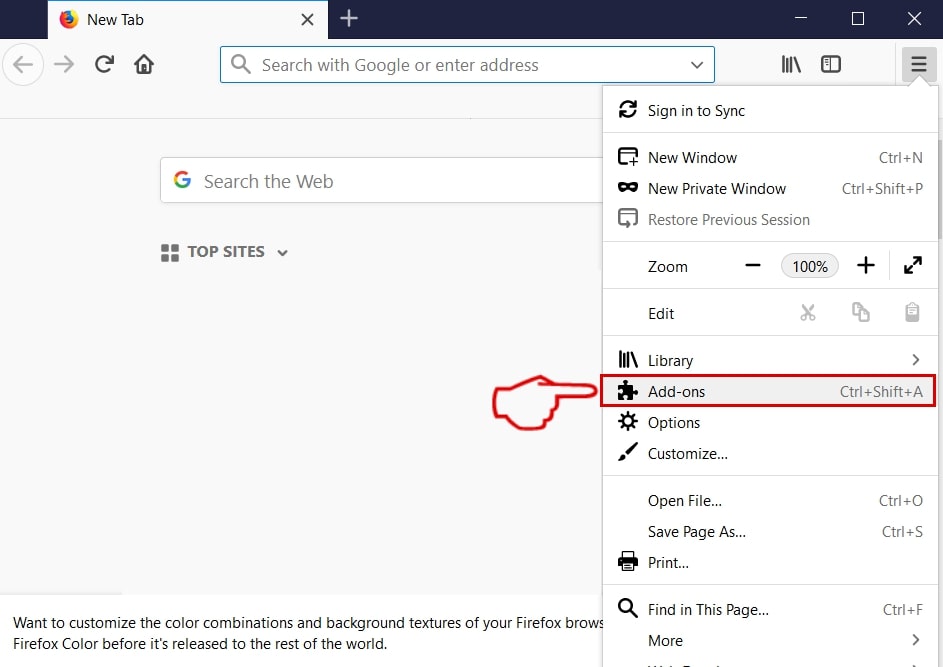
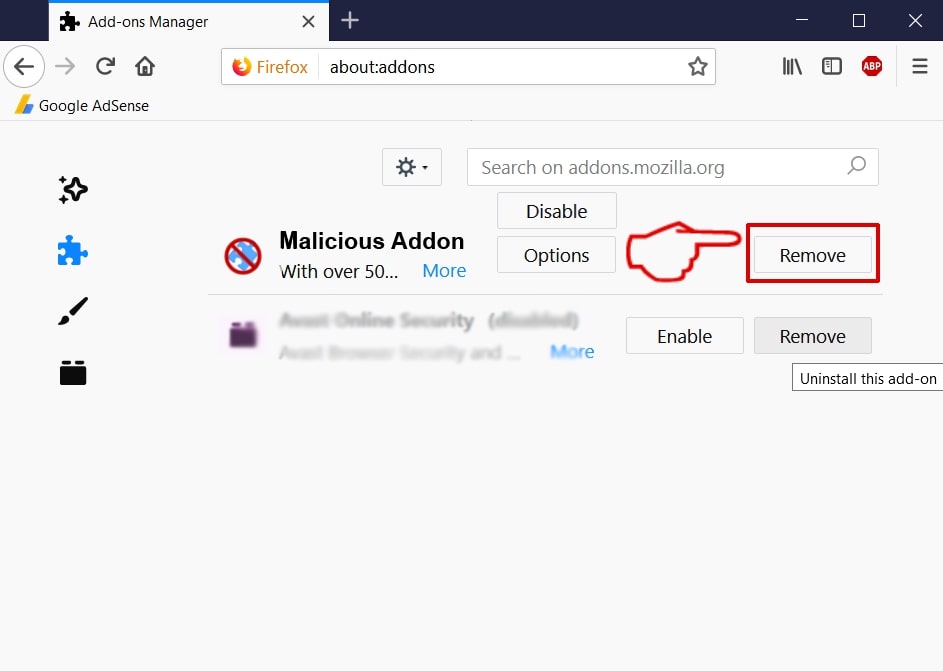
Step 3: Remove Securesweep.pro – related extensions from Safari / Chrome / Firefox

Securesweep.pro-FAQ
What is Securesweep.pro on your Mac?
The Securesweep.pro threat is probably a potentially unwanted app. There is also a chance it could be related to Mac malware. If so, such apps tend to slow your Mac down significantly and display advertisements. They could also use cookies and other trackers to obtain browsing information from the installed web browsers on your Mac.
Can Macs Get Viruses?
Yes. As much as any other device, Apple computers do get malware. Apple devices may not be a frequent target by malware authors, but rest assured that almost all of the Apple devices can become infected with a threat.
What Types of Mac Threats Are There?
According to most malware researchers and cyber-security experts, the types of threats that can currently infect your Mac can be rogue antivirus programs, adware or hijackers (PUPs), Trojan horses, ransomware and crypto-miner malware.
What To Do If I Have a Mac Virus, Like Securesweep.pro?
Do not panic! You can easily get rid of most Mac threats by firstly isolating them and then removing them. One recommended way to do that is by using a reputable malware removal software that can take care of the removal automatically for you.
There are many Mac anti-malware apps out there that you can choose from. SpyHunter for Mac is one of the reccomended Mac anti-malware apps, that can scan for free and detect any viruses. This saves time for manual removal that you would otherwise have to do.
How to Secure My Data from Securesweep.pro?
With few simple actions. First and foremost, it is imperative that you follow these steps:
Step 1: Find a safe computer and connect it to another network, not the one that your Mac was infected in.
Step 2: Change all of your passwords, starting from your e-mail passwords.
Step 3: Enable two-factor authentication for protection of your important accounts.
Step 4: Call your bank to change your credit card details (secret code, etc.) if you have saved your credit card for online shopping or have done online activiites with your card.
Step 5: Make sure to call your ISP (Internet provider or carrier) and ask them to change your IP address.
Step 6: Change your Wi-Fi password.
Step 7: (Optional): Make sure to scan all of the devices connected to your network for viruses and repeat these steps for them if they are affected.
Step 8: Install anti-malware software with real-time protection on every device you have.
Step 9: Try not to download software from sites you know nothing about and stay away from low-reputation websites in general.
If you follow these reccomendations, your network and Apple devices will become significantly more safe against any threats or information invasive software and be virus free and protected in the future too.
More tips you can find on our MacOS Virus section, where you can also ask any questions and comment about your Mac problems.
About the Securesweep.pro Research
The content we publish on SensorsTechForum.com, this Securesweep.pro how-to removal guide included, is the outcome of extensive research, hard work and our team’s devotion to help you remove the specific macOS issue.
How did we conduct the research on Securesweep.pro?
Please note that our research is based on an independent investigation. We are in contact with independent security researchers, thanks to which we receive daily updates on the latest malware definitions, including the various types of Mac threats, especially adware and potentially unwanted apps (PUAs).
Furthermore, the research behind the Securesweep.pro threat is backed with VirusTotal.
To better understand the threat posed by Mac malware, please refer to the following articles which provide knowledgeable details.