

AppHostRegistrationVerifier.exe Malware – Removal Guide
If you have noticed a suspicious process named AppHostRegistrationVerifier.exe running on your system, unusual performance issues, or unexplained data activity, you could be dealing with a dangerous Trojan horse infection. Read this article to find out what AppHostRegistrationVerifier.exe malware is, how it infiltrates systems, what damage it can cause, and why it poses a serious risk to your personal and financial security.
Trojan horse threats disguised as legitimate system processes are among the most dangerous forms of malware today. AppHostRegistrationVerifier.exe may appear like a harmless or even essential Windows-related component, but in reality, it can be a malicious executable designed to operate silently in the background. Its primary goal is often to remain undetected while performing harmful actions such as data theft, unauthorized file access, and system manipulation.
Cybercriminals frequently use names that resemble legitimate Windows processes to avoid raising suspicion. This tactic allows malware like AppHostRegistrationVerifier.exe to blend into the system environment and bypass basic user scrutiny. Once active, the threat can establish persistence, communicate with remote servers, and execute commands without the user’s knowledge.
AppHostRegistrationVerifier.exе Short Overview
| Type | Browser Hijacker, Redirect, PUP |
| Short Description | A suspicious website that steals data and causes redirects. |
| Symptoms | Unwanted pop-ups may start appearing while you are browsing the web. A browser hijacker may be downloaded without your knowledge. |
| Removal Time | Approximately 15 minutes for a full-system scan |
| Removal Tool |
See If Your System Has Been Affected by malware
Download
Malware Removal Tool
|
What Is AppHostRegistrationVerifier.exe Malware?
AppHostRegistrationVerifier.exe malware is classified as a Trojan horse, a type of malicious software that disguises itself as a legitimate file or process to trick users and security systems. Unlike viruses that replicate themselves, Trojans rely on deception to gain initial access and then execute a wide range of malicious activities.
This particular threat is especially concerning because it may mimic a system verification process, suggesting that it plays a role in application or host validation. In reality, the executable can be a fake or tampered file placed in suspicious directories, often outside the legitimate Windows system paths. Its presence in unusual locations is one of the first warning signs of compromise.
Once executed, the malware can initiate communication with C&C servers. This enables attackers to send instructions, update the payload, or extract sensitive data from the infected machine. The Trojan may also deploy additional malicious components, turning the infected system into part of a larger attack infrastructure.
Because of its stealth-oriented nature, AppHostRegistrationVerifier.exe may avoid detection by disabling security features, modifying registry entries, or injecting code into legitimate processes. These behaviors make it particularly difficult for inexperienced users to identify and remove manually.
Key characteristics of this Trojan include:
- Masquerading as a legitimate Windows-related executable.
- Running silently in the background with minimal visible symptoms.
- Establishing persistence through registry or startup modifications.
- Connecting to remote servers for instructions and data exfiltration.
- Possibly downloading additional malware onto the system.
The deceptive naming convention is not random. Attackers intentionally choose names that sound technical and trustworthy, increasing the likelihood that users will ignore the process if they encounter it in Task Manager or system logs.
How Did I Get AppHostRegistrationVerifier.exe?
AppHostRegistrationVerifier.exe malware is typically distributed through a variety of covert and deceptive methods. Unlike traditional threats that rely on vulnerabilities alone, Trojans often depend on user interaction to gain entry. This makes social engineering a key component in their distribution strategy.
One of the most common infection vectors is malicious attachments. Users may receive emails that appear to be invoices, shipping notifications, job offers, or system alerts. These emails often contain attachments or links that, when opened, execute the Trojan in the background.
Another major distribution method involves bundled software installers. Freeware downloaded from untrusted sources may include hidden components that install alongside the main application. Users who rush through installation steps without reviewing advanced options can unknowingly allow the Trojan to enter their system.
Fake software updates are also a frequent tactic. Users may encounter pop-ups claiming that their browser, media player, or security software is outdated. Clicking these prompts can lead to the download of a malicious file disguised as an update package.
Additionally, compromised or malicious websites can deliver the Trojan through exploit kits or deceptive download buttons. In some cases, simply visiting a compromised page can trigger a chain of redirects that result in malware delivery.
Common infection sources include:
- Phishing emails with malicious attachments or links.
- Bundled installations from unofficial or pirated software sources.
- Fake update notifications for commonly used applications.
- Malicious advertisements (malvertising) on unsafe websites.
- Trojanized installers disguised as legitimate software.
In enterprise environments, infections can also occur through compromised network shares or infected removable media. Once inside, the Trojan can spread laterally or escalate privileges depending on its capabilities.
What Does AppHostRegistrationVerifier.exe Do?
The functionality of AppHostRegistrationVerifier.exe malware can vary depending on its configuration and the attacker’s objectives. However, most variants are designed to provide unauthorized access and control over the infected system while remaining hidden.
One of the primary dangers of this Trojan is its ability to steal sensitive information. This may include saved browser credentials, login details, financial information, and even keystrokes through built-in keylogging mechanisms. Such data can be transmitted to remote servers controlled by cybercriminals, leading to identity theft or financial fraud.
The malware may also gain read and write access to files on the system. This allows it to modify, delete, or exfiltrate data without the user’s consent. In some cases, it can target specific file types or directories, focusing on documents, databases, or configuration files.
Another critical capability is remote command execution. Attackers can issue commands to the infected system, effectively turning it into a remotely controlled machine. This can be used for a variety of malicious purposes, including deploying additional malware, launching attacks on other systems, or using the device as part of a botnet.
Typical malicious activities associated with this threat include:
- Stealing passwords, browser data, and financial credentials.
- Logging keystrokes and monitoring user activity.
- Reading, modifying, and deleting files on the system.
- Downloading and installing additional malicious payloads.
- Granting attackers remote control over the infected machine.
- Disabling or bypassing security software to avoid detection.
Performance degradation is another common symptom. The Trojan may consume system resources, leading to slow performance, crashes, or unresponsive applications. In some cases, it can also interfere with system updates or security tools, further weakening the device’s defenses.
From a broader perspective, infections like AppHostRegistrationVerifier.exe represent a significant threat because they can act as a gateway for more severe attacks. Once attackers gain a foothold, they can escalate privileges, move laterally within networks, and deploy ransomware family payloads or other high-impact payloads.
How to Remove It
Removing AppHostRegistrationVerifier.exe malware requires a thorough approach that targets both the visible components and any hidden persistence mechanisms. Because Trojans are designed to evade detection, manual removal can be challenging without proper technical knowledge.
The first step is to identify whether the process is legitimate or malicious. This involves checking its file location, digital signature, and behavior. Files located outside standard system directories or lacking proper signatures should be treated as suspicious.
A comprehensive system scan using reputable anti-malware software is strongly recommended. Advanced security tools can detect Trojan components, registry modifications, scheduled tasks, and other artifacts that may not be visible to the user. Removing only the main executable is often insufficient, as additional files or scripts may reinstall the malware.
It is also important to review startup entries and running processes. Trojans frequently establish persistence by adding themselves to system startup or injecting into legitimate processes. Cleaning these entries helps prevent the malware from reactivating after a reboot.
Users should also consider resetting browser settings and reviewing installed extensions, especially if there are signs of data theft or unauthorized activity. Any suspicious or unknown extensions should be removed immediately.
In more severe cases, especially when sensitive data may have been compromised, additional steps such as changing passwords, monitoring financial accounts, and performing a full system restore may be necessary. Organizations should follow incident response procedures to contain and remediate the threat effectively.
Preventive measures play a crucial role in long-term protection. Keeping software updated, avoiding untrusted downloads, using strong security solutions, and maintaining awareness of phishing tactics can significantly reduce the risk of future infections.
Why This Threat Should Not Be Ignored
AppHostRegistrationVerifier.exe malware is not just another nuisance program. Its ability to steal sensitive data, manipulate system behavior, and provide remote access to attackers makes it a high-risk threat. Ignoring it can lead to serious consequences, including financial loss, identity theft, and long-term system compromise.
The longer the Trojan remains active, the more damage it can cause. Early detection and prompt removal are critical to minimizing its impact and restoring system security.
What should you do?
If you suspect that AppHostRegistrationVerifier.exe is running on your system and behaving suspiciously, you should act immediately. Avoid interacting with unknown processes, do not trust files that appear out of place, and perform a full system inspection using trusted security tools. Removing the threat as soon as possible is essential to protect your personal data, financial information, and overall system integrity.

Ventsislav Krastev
Ventsislav is a cybersecurity expert at SensorsTechForum since 2015. He has been researching, covering, helping victims with the latest malware infections plus testing and reviewing software and the newest tech developments. Having graduated Marketing as well, Ventsislav also has passion for learning new shifts and innovations in cybersecurity that become game changers. After studying Value Chain Management, Network Administration and Computer Administration of System Applications, he found his true calling within the cybersecrurity industry and is a strong believer in the education of every user towards online safety and security.
Follow Me:
Preparation before removing AppHostRegistrationVerifier.exе.
Before starting the actual removal process, we recommend that you do the following preparation steps.
- Make sure you have these instructions always open and in front of your eyes.
- Do a backup of all of your files, even if they could be damaged. You should back up your data with a cloud backup solution and insure your files against any type of loss, even from the most severe threats.
- Be patient as this could take a while.
- Scan for Malware
- Fix Registries
- Remove Virus Files
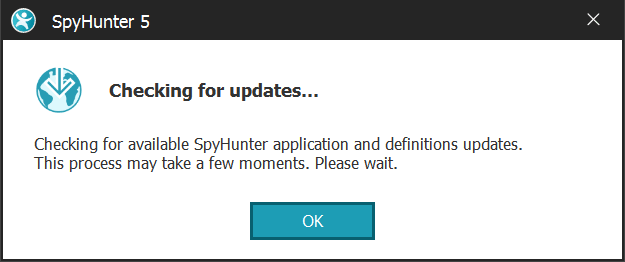
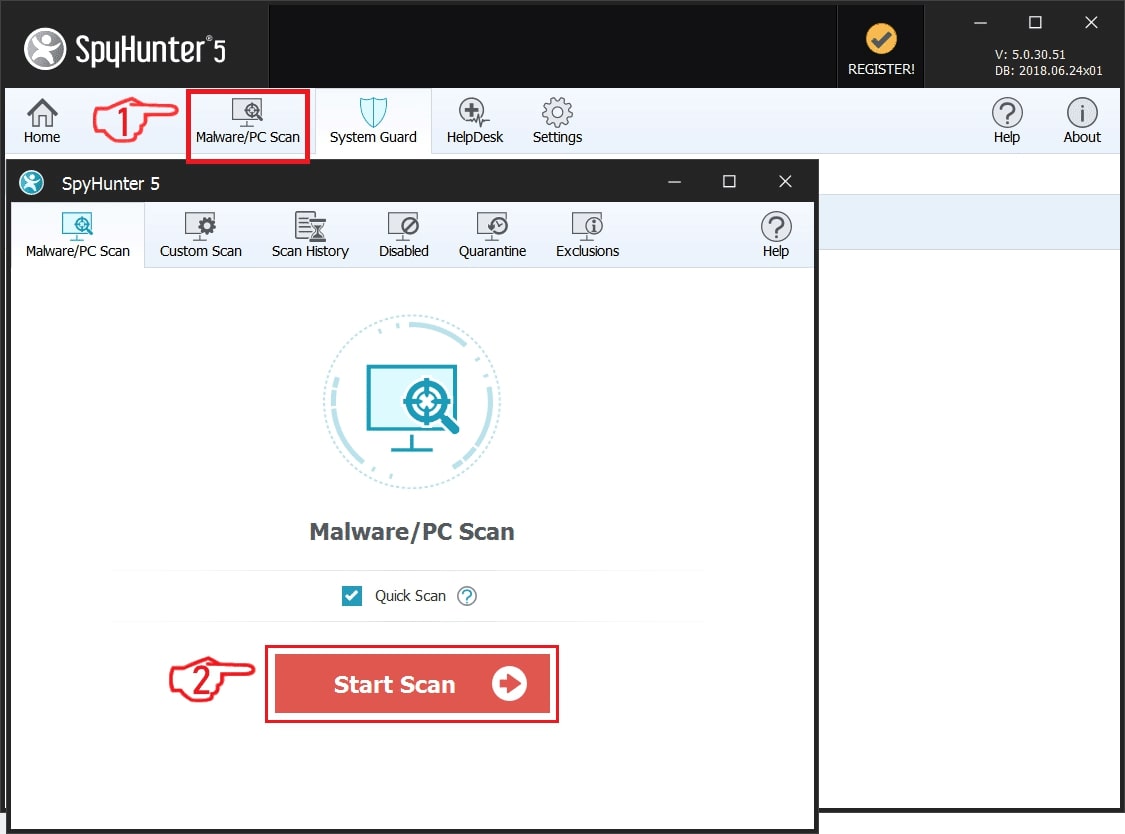
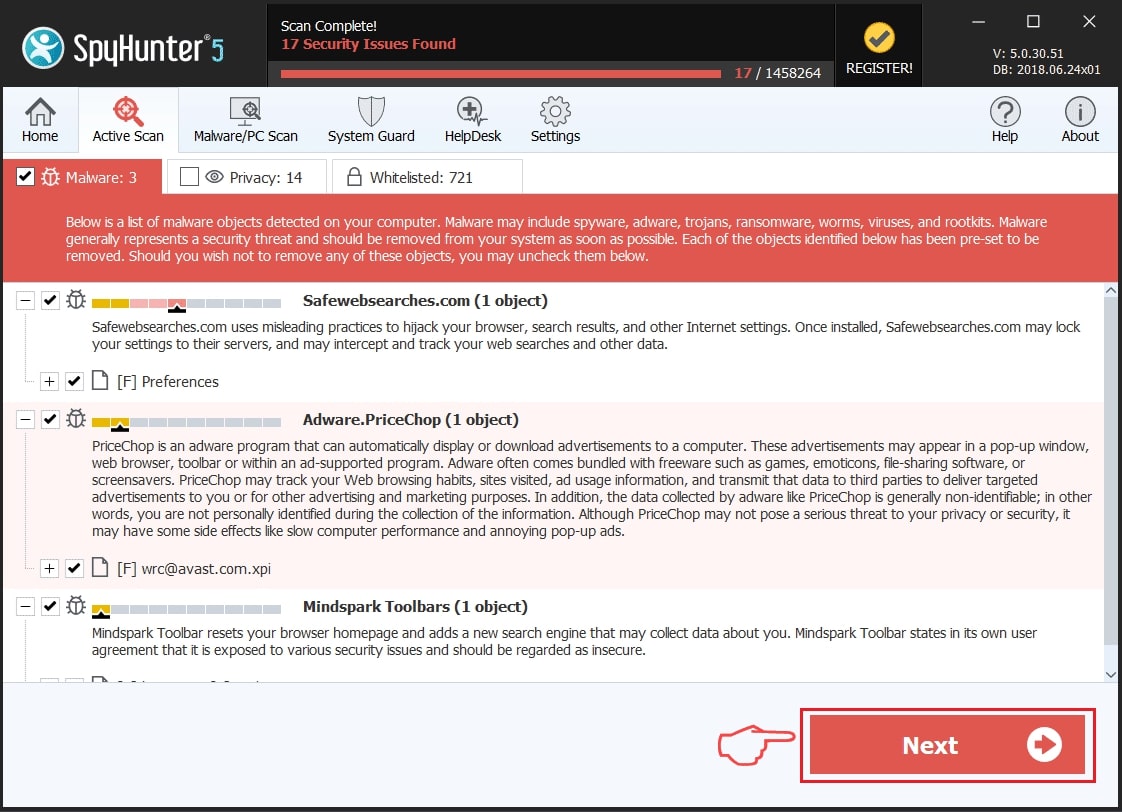
Step 1: Scan for AppHostRegistrationVerifier.exе with SpyHunter Anti-Malware Tool
Step 2: Clean any registries, created by AppHostRegistrationVerifier.exе on your computer.
The usually targeted registries of Windows machines are the following:
- HKEY_LOCAL_MACHINE\Software\Microsoft\Windows\CurrentVersion\Run
- HKEY_CURRENT_USER\Software\Microsoft\Windows\CurrentVersion\Run
- HKEY_LOCAL_MACHINE\Software\Microsoft\Windows\CurrentVersion\RunOnce
- HKEY_CURRENT_USER\Software\Microsoft\Windows\CurrentVersion\RunOnce
You can access them by opening the Windows registry editor and deleting any values, created by AppHostRegistrationVerifier.exе there. This can happen by following the steps underneath:
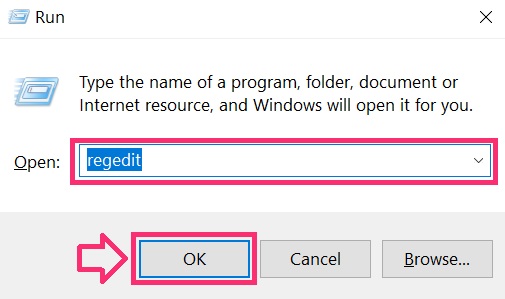
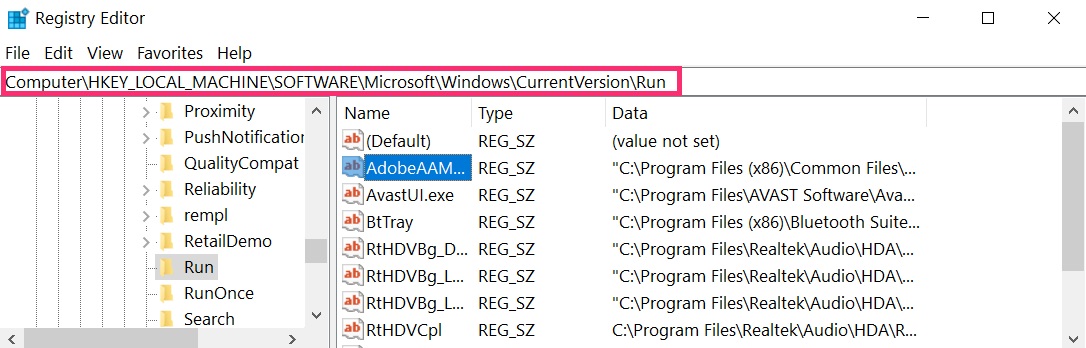
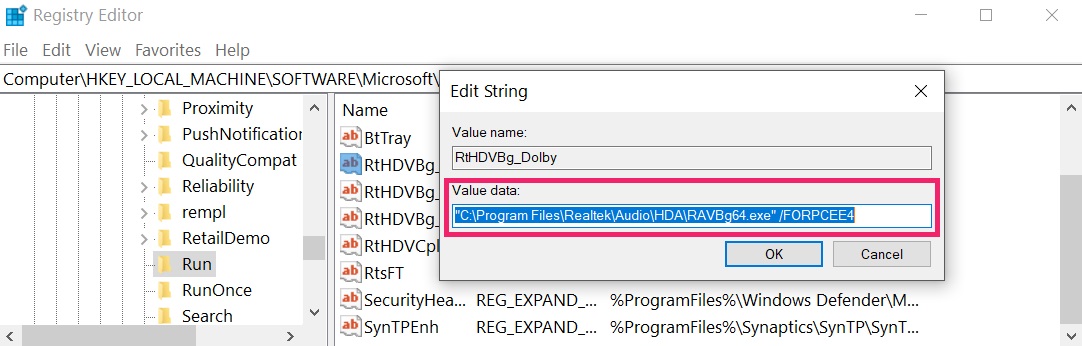 Tip: To find a virus-created value, you can right-click on it and click "Modify" to see which file it is set to run. If this is the virus file location, remove the value.
Step 3: Find virus files created by AppHostRegistrationVerifier.exе on your PC.
1.For Windows 8, 8.1 and 10.
For Newer Windows Operating Systems
1: On your keyboard press + R and write explorer.exe in the Run text box and then click on the Ok button.
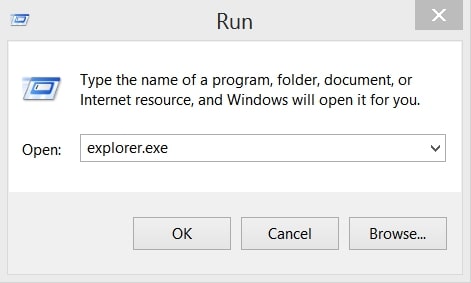
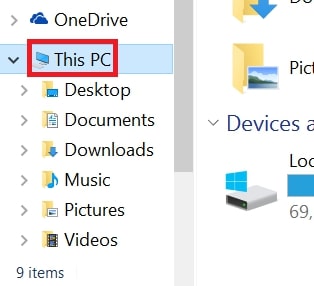
2: Click on your PC from the quick access bar. This is usually an icon with a monitor and its name is either “My Computer”, “My PC” or “This PC” or whatever you have named it.
3: Navigate to the search box in the top-right of your PC's screen and type “fileextension:” and after which type the file extension. If you are looking for malicious executables, an example may be "fileextension:exe". After doing that, leave a space and type the file name you believe the malware has created. Here is how it may appear if your file has been found:
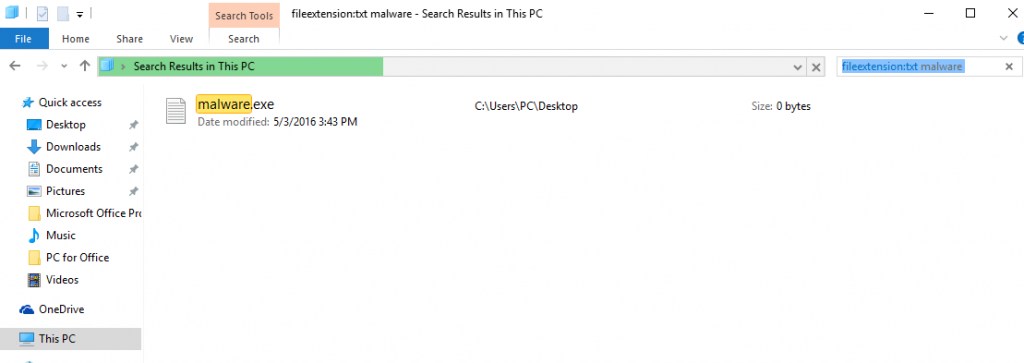
N.B. We recommend to wait for the green loading bar in the navigation box to fill up in case the PC is looking for the file and hasn't found it yet.
2.For Windows XP, Vista, and 7.
For Older Windows Operating Systems
In older Windows OS's the conventional approach should be the effective one:
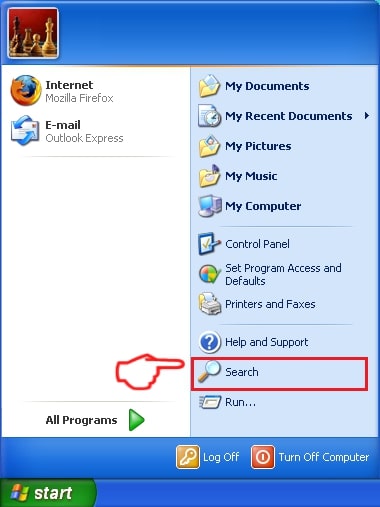
1: Click on the Start Menu icon (usually on your bottom-left) and then choose the Search preference.
2: After the search window appears, choose More Advanced Options from the search assistant box. Another way is by clicking on All Files and Folders.
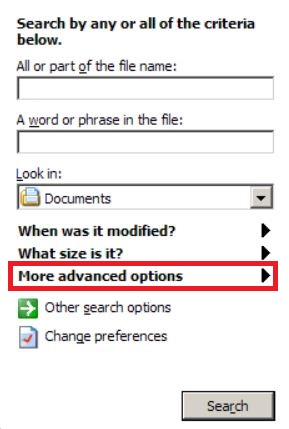
3: After that type the name of the file you are looking for and click on the Search button. This might take some time after which results will appear. If you have found the malicious file, you may copy or open its location by right-clicking on it.
Now you should be able to discover any file on Windows as long as it is on your hard drive and is not concealed via special software.
AppHostRegistrationVerifier.exе FAQ
What Does AppHostRegistrationVerifier.exе Trojan Do?
The AppHostRegistrationVerifier.exе Trojan is a malicious computer program designed to disrupt, damage, or gain unauthorized access to a computer system. It can be used to steal sensitive data, gain control over a system, or launch other malicious activities.
Can Trojans Steal Passwords?
Yes, Trojans, like AppHostRegistrationVerifier.exе, can steal passwords. These malicious programs are designed to gain access to a user's computer, spy on victims and steal sensitive information such as banking details and passwords.
Can AppHostRegistrationVerifier.exе Trojan Hide Itself?
Yes, it can. A Trojan can use various techniques to mask itself, including rootkits, encryption, and obfuscation, to hide from security scanners and evade detection.
Can a Trojan be Removed by Factory Reset?
Yes, a Trojan can be removed by factory resetting your device. This is because it will restore the device to its original state, eliminating any malicious software that may have been installed. Bear in mind that there are more sophisticated Trojans that leave backdoors and reinfect even after a factory reset.
Can AppHostRegistrationVerifier.exе Trojan Infect WiFi?
Yes, it is possible for a Trojan to infect WiFi networks. When a user connects to the infected network, the Trojan can spread to other connected devices and can access sensitive information on the network.
Can Trojans Be Deleted?
Yes, Trojans can be deleted. This is typically done by running a powerful anti-virus or anti-malware program that is designed to detect and remove malicious files. In some cases, manual deletion of the Trojan may also be necessary.
Can Trojans Steal Files?
Yes, Trojans can steal files if they are installed on a computer. This is done by allowing the malware author or user to gain access to the computer and then steal the files stored on it.
Which Anti-Malware Can Remove Trojans?
Anti-malware programs such as SpyHunter are capable of scanning for and removing Trojans from your computer. It is important to keep your anti-malware up to date and regularly scan your system for any malicious software.
Can Trojans Infect USB?
Yes, Trojans can infect USB devices. USB Trojans typically spread through malicious files downloaded from the internet or shared via email, allowing the hacker to gain access to a user's confidential data.
About the AppHostRegistrationVerifier.exе Research
The content we publish on SensorsTechForum.com, this AppHostRegistrationVerifier.exе how-to removal guide included, is the outcome of extensive research, hard work and our team’s devotion to help you remove the specific trojan problem.
How did we conduct the research on AppHostRegistrationVerifier.exе?
Please note that our research is based on an independent investigation. We are in contact with independent security researchers, thanks to which we receive daily updates on the latest malware definitions, including the various types of trojans (backdoor, downloader, infostealer, ransom, etc.)
Furthermore, the research behind the AppHostRegistrationVerifier.exе threat is backed with VirusTotal.
To better understand the threat posed by trojans, please refer to the following articles which provide knowledgeable details.